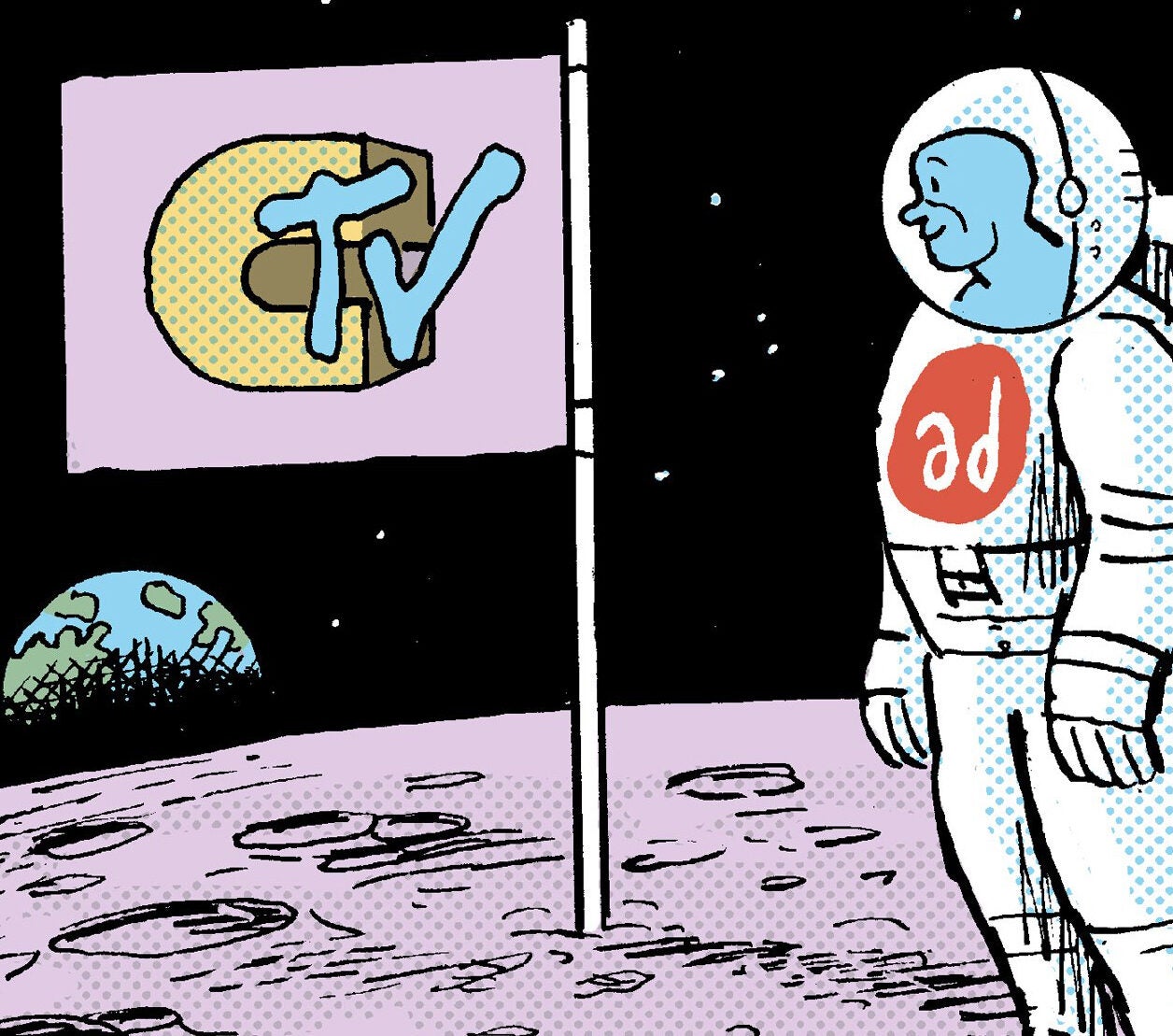
Amazon's Ad Tech: Google 2.0 or Something Worse?
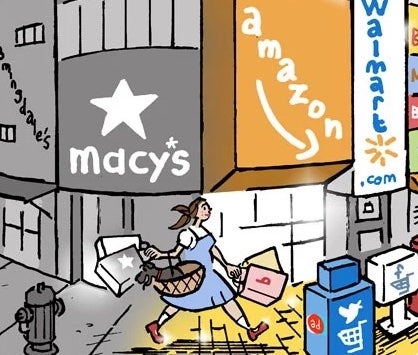
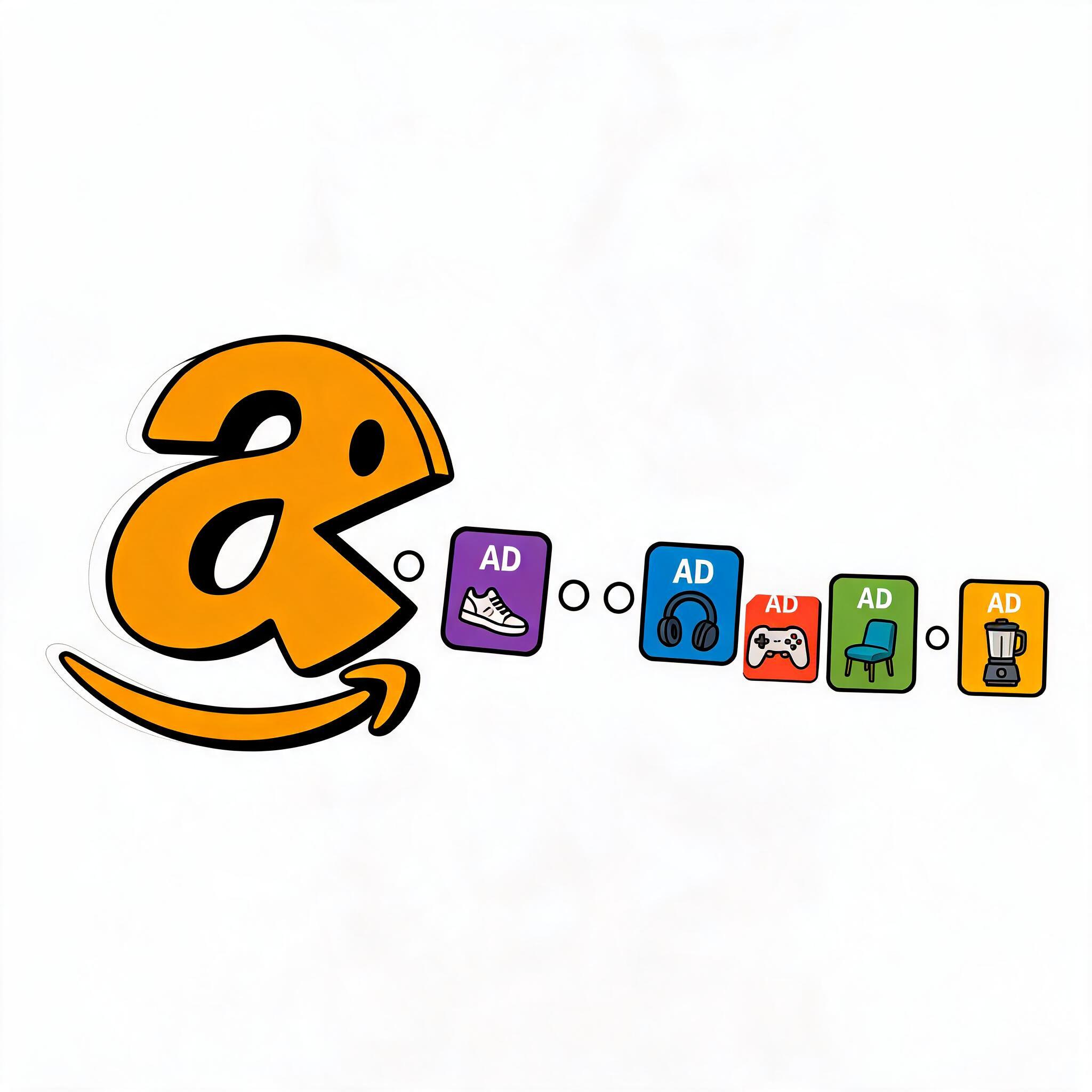
Amazon's ad tech is no longer an afterthought. It's a calculated, Google-esque power play, and the industry is starting to notice.

Google's latest platform integration merges Demand Gen and Display Network capabilities, signaling a shift toward unified campaign management for advertisers.
Winning the Kentucky Derby wasn't just a career high for Cherie DeVaux; it cemented an identity she'd meticulously built. But beyond the champagne and confetti, what's the real cost and reward for a woman who never saw motherhood in her future?
MarkApp has officially become a Google Authorised Buyer, a move that observers expected to bolster its programmatic capabilities. This certification is more than just a checkbox; it signifies a significant strategic pivot in an increasingly complex ad tech ecosystem.
The notion of a singular 'home' is dissolving for a growing number of global citizens. This shift presents profound implications for personal identity and societal integration.
Ten years at Meta evaporated in a 3 a.m. email, forcing a former global director to confront his career's true purpose. The unexpected layoff led to an academic pivot, proving that sometimes, the end of one path is the beginning of another.
Forget creative awards or media spend. The real engine of AI marketing? It's the humble, often overlooked, metadata.
Google's shiny new AI Overviews are already showing cracks, hilariously failing at the most basic of search tasks. Turns out, the future of search might have trouble with verbs.
While creative and media grab headlines, a less glamorous element—metadata—is quietly becoming the linchpin of effective AI marketing. Organized metadata is no longer optional; it's a competitive necessity.
Google wants to put an AI agent in charge of your next purchase. The tech giant's latest announcements reveal a bold vision for 'agentic commerce' and what it means for real people.
The web's measurement woes? Apparently, we've been here before. Mobile marketers faced the same signal chaos years ago, and their old-school tactics are now the web's only hope.
Reddit is upping its ad game. The platform is rolling out enhanced AI-driven campaigns and piloting new first-party attribution reporting, signaling a deeper play for advertiser dollars.
Google is cramming more ads into its AI-generated search responses. The question is: can users even tell what's real anymore?
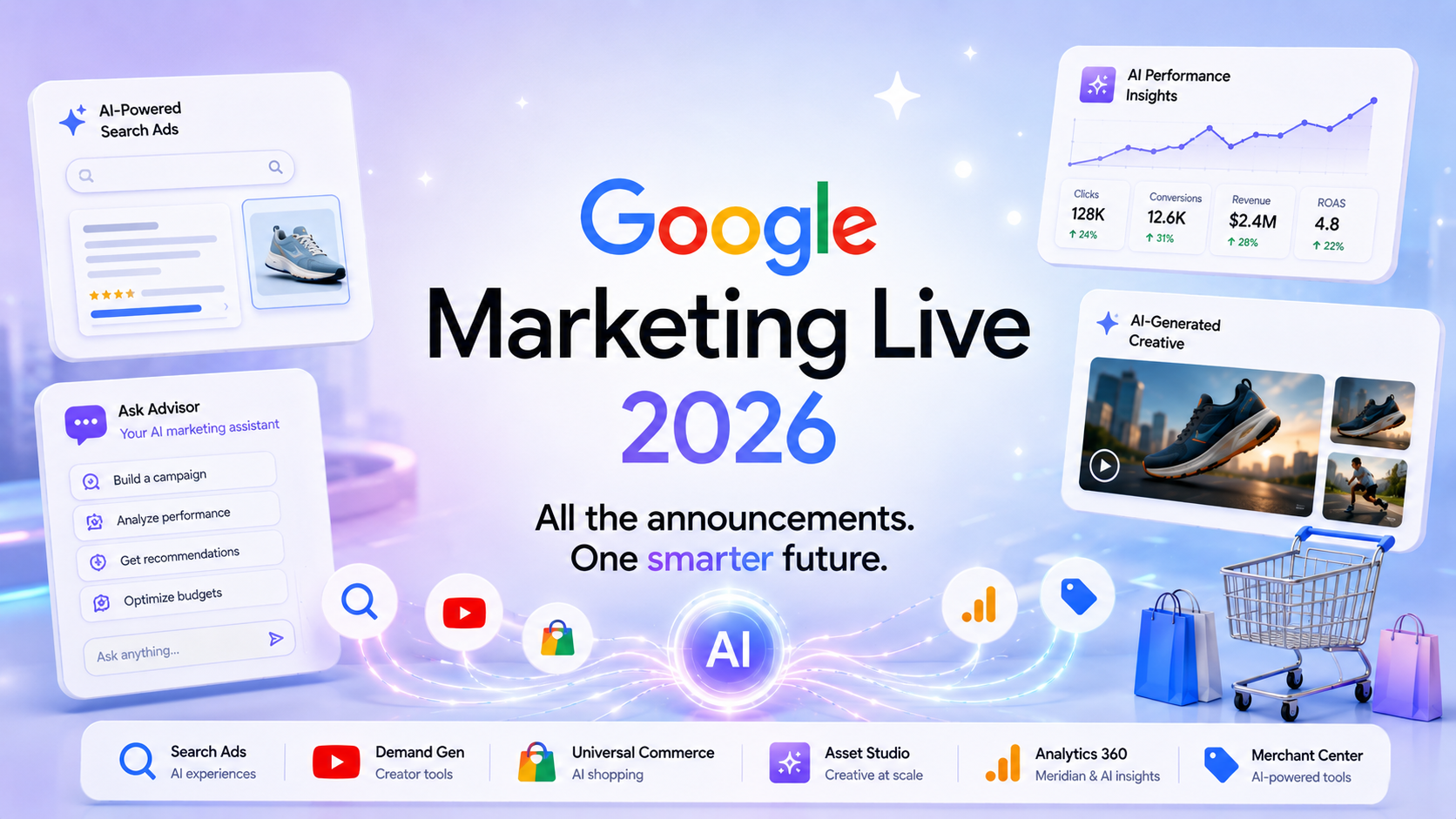
Google Marketing Live 2026 was less a showcase and more a declaration: Gemini is now the engine room for Google's entire ad and commerce machine. Expect a deeply conversational, increasingly autonomous digital marketing future.
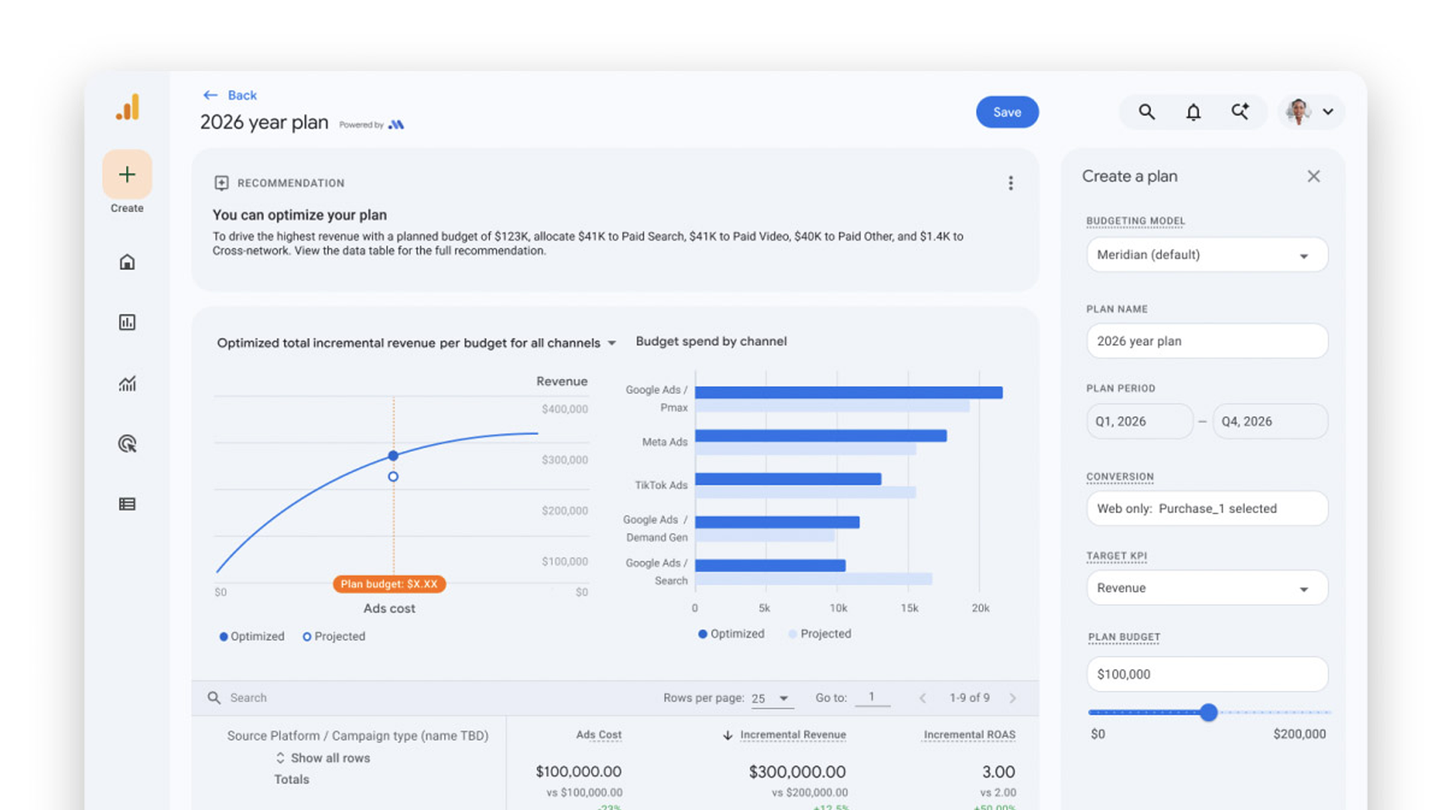
Google's latest move to bake Meridian, an open-source Marketing Mix Model, directly into Google Analytics 360 signals a deeper push for unified measurement. This integration aims to bridge the gap between raw data and actionable strategy.
For years, ad platforms have been accused of marking their own homework when it comes to ad measurement. Now, Snap is proposing a radical shift with its new Unified Attribution product.
AI search is here, and its ROI is a question mark. Forget vanity metrics; a new 5-layer framework offers real measurement. It's time to move beyond just seeing AI appearances.
Campaigns now have a 'clean' route to voters. The question is, can attention-first formats truly capture attention without invasive tracking, especially when the stakes are this high?
Amazon is pushing for video podcasts to be treated like TV shows, aiming to snag ad budgets. It's a bold move, but the sticky problem of measurement persists.
The ad industry's old metrics are creating more confusion than clarity. PadSquad is betting big on offline signals to finally bridge the gap between digital impressions and real-world business results.