The expectation for long-term expats has always been a return. A geographical homecoming, a psychological resettling into the familiar soil of one’s origin. But what happens when that soil has been, for years, a patchwork quilt of diverse cultures and experiences? A recent personal narrative highlights a seismic shift in the expat psyche: the very concept of ‘home’ has become unmoored, scattered across continents, leaving individuals grappling with a profound sense of placelessness.
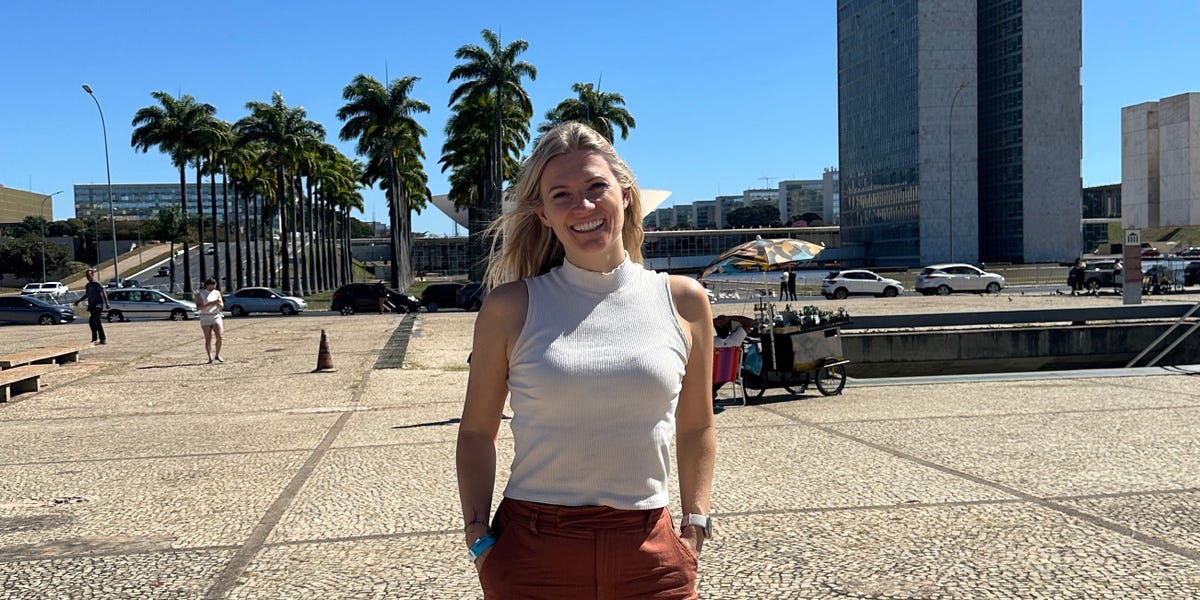
For the subject of this reflection, the journey began at 19, a year and a half in South America sparking a lifelong affair with global living. This wasn’t a fleeting romance; it was a deep immersion that led to stints in Buenos Aires, London, Brasilia, and Rio de Janeiro, often punctuated by returns to her native Netherlands. The pace of change—periods of 6 months to 3 years in various locales—meant a constant state of professional and personal reinvention. The formative years, spent shaping adult identity, were defined by a persistent uprootedness. This contrasts sharply with the more typical trajectory where peers often remained tethered to their childhood environments.
Identity Forged Across Borders
Landing an initial office job in London post-master’s degree meant that the early foray into the corporate world was steeped in cultural difference. Navigating British office politics and the labyrinth of UK tax laws marked the beginning of a pattern. Three years later, a diplomatic role with the Dutch Ministry of Foreign Affairs transplanted her to Brazil, presenting yet another landscape to master.
This wasn’t merely about adapting to new systems; it was about constructing a life in a foreign tongue, establishing routines in unfamiliar surroundings. The moment of representing her country for the first time in Portuguese was a stark realization: a different world had become her new normal. This constant state of becoming, shaped by burnout, professional triumphs, deep friendships, love, loss, and even a pandemic, meant that the places she inhabited became inextricably woven into her identity.
Each country I lived in helped shape the person I am today.
This sentiment, while perhaps cliché, carries immense weight when examined through the lens of market dynamics. For decades, marketing and brand strategies have relied on archetypal consumer profiles, often rooted in national or regional identities. The rise of the truly globalized individual, for whom ‘home’ is an abstract concept rather than a physical address, challenges these foundational assumptions. This isn’t just about understanding a new language; it’s about understanding a new way of being, a multi-layered identity that resists easy categorization.
The Polycentric Self: Home No Longer Singular
Now, at 38, the comfortable notion of ‘home’ as a single geographical point has evaporated. The author doesn’t just miss Dutch efficiency, familiar friends, or predictable seasons; she equally yearns for the specific atmospheres of London, the distinct natural beauty of Brasilia, or the vibrant streets of Buenos Aires. Her heart, it seems, is geographically distributed. This richness of experience, however, introduces a new complexity: the question shifts from ‘where do I belong?’ to ‘how do I choose between lives that all feel like mine?’ This is a question resonating with many.
Working as an expat life coach for the past four years, she observes that the core struggle isn’t typically homesickness, but rather the challenge of navigating a life that resists singular definition. This has significant implications for consumer behavior, particularly in areas like financial services, lifestyle brands, and even dating. How does one market a product to someone whose primary loyalty isn’t to a national market but to a set of lived experiences across multiple, often disparate, cultures? The data suggests a move towards more personalized, experience-driven marketing, but the truly ‘global citizen’ archetype is still relatively uncharted territory for many brands.
The Anchor of Self in a World of Options
Returning to the Netherlands for the past six years provided a period of grounding, especially during the unexpected loss of both parents. Yet, this chapter is closing, signaling a desire for an environment that better aligns with her ambition and personality. The impending move to Mexico City underscores a commitment to actively shaping her environment rather than passively accepting circumstance. The lesson learned from this journey – that maintaining equilibrium in a globalized life is inherently difficult – is profound. The allure of perpetual movement, especially when novelty fades, is strong. The challenge lies in making deliberate choices when every option feels like a viable ‘home.’ The only constant, it appears, is the self.
This phenomenon presents a fascinating case study for advertisers. Strategies that once relied on nationalistic appeals or strong regional affiliations may fall flat. Instead, brands need to tap into the emotional currents of belonging, adventure, and self-discovery that drive this mobile population. Think less about selling a product to a place, and more about selling a product that enhances the experience of living across places. The data from platforms targeting frequent travelers or those with international digital footprints will be key here, but a deeper, more qualitative understanding of this evolving identity is paramount.
Why Does Belonging Matter to the Global Consumer?
The challenge for marketers isn’t just about reaching these individuals; it’s about understanding their deeply ingrained sense of self. When ‘home’ is a feeling derived from a constellation of memories and experiences rather than a single zip code, traditional segmentation models buckle. Advertisers who can tap into the universal human desire for connection and meaning, while acknowledging the unique, multi-faceted nature of the global citizen’s identity, will forge deeper, more enduring relationships. This requires moving beyond simplistic demographic proxies and delving into psychographic profiles that speak to a life lived across borders, where loyalty might be to a lifestyle or a set of values rather than a nation-state.
Is There a Market for ‘Rootless’ Brands?
Perhaps not in the traditional sense. However, brands that embody flexibility, adaptability, and a global perspective are likely to resonate. Think of brands that facilitate remote work, support international travel, or offer products and services that are universally applicable and adaptable across different cultural contexts. The appeal isn’t in being rootless, but in being able to cultivate belonging wherever one finds oneself. This requires a brand narrative that embraces fluidity and celebrates the richness of diverse experiences, rather than attempting to anchor the consumer to a single point of origin.
🧬 Related Insights
- Read more: Nutritionist’s 12 ‘Power Foods’ Unlock Effortless Health
- Read more: Recurrent Ventures’ Eight-Figure Revenue Turnaround
Frequently Asked Questions
What does it mean for your identity to lose your sense of home? It means that ‘home’ becomes a collection of places, experiences, and relationships rather than a single, fixed location. This can lead to a richer, more complex sense of self but also presents challenges in belonging and making definitive life choices.
How can expats choose between multiple ‘homes’? This often involves prioritizing personal values, career ambitions, and relationship needs. It’s less about choosing one place permanently and more about consciously deciding where to invest your energy and build your life at a given time, knowing that other ‘homes’ remain a part of you.
Will this trend of fragmented identity continue? Given the increasing ease of global mobility, remote work opportunities, and interconnectedness, it’s highly probable that more individuals will develop multi-centric identities. This will likely necessitate significant shifts in how societies, brands, and individuals approach concepts of belonging and community.