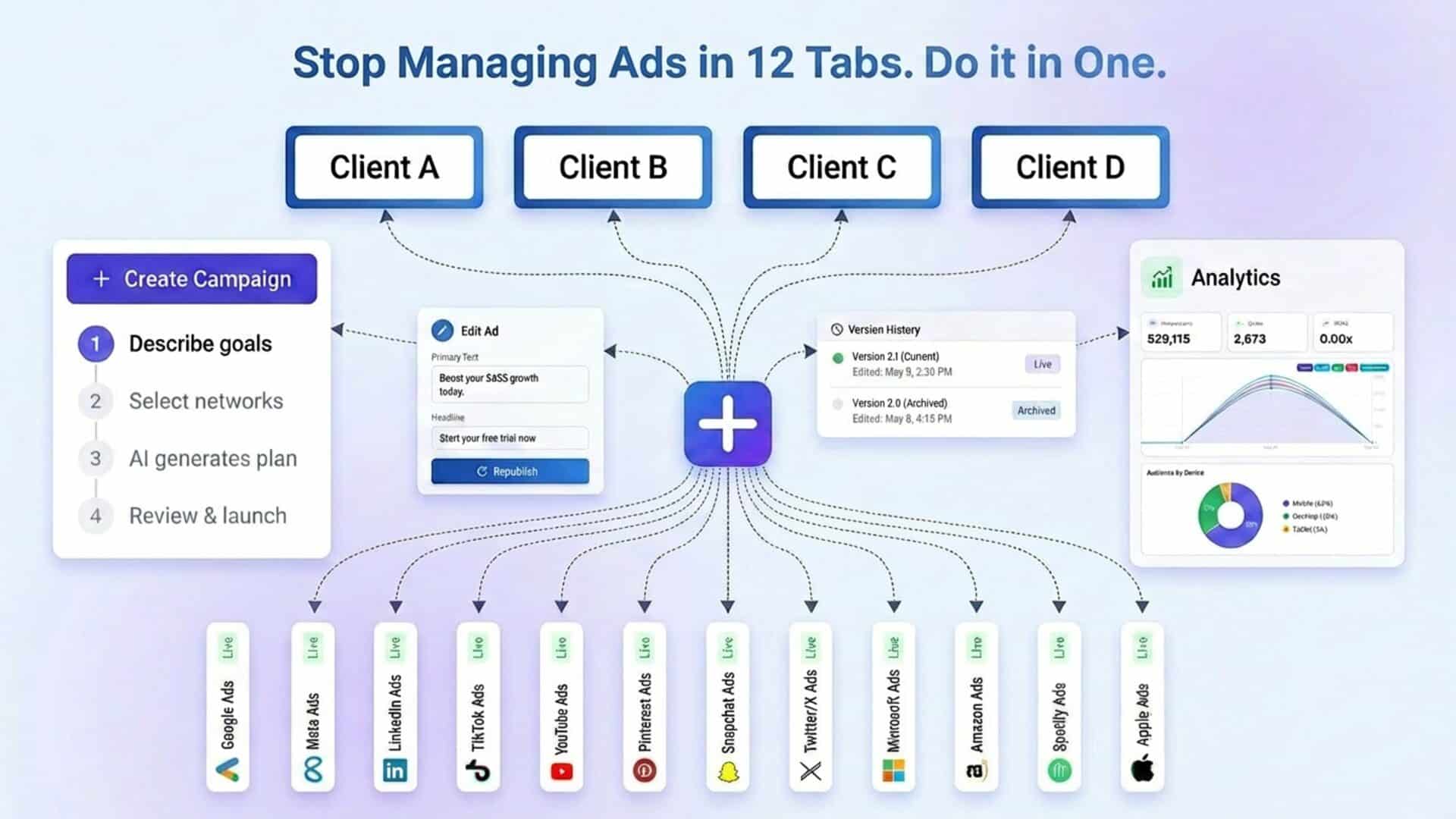
Unified Ad Buying Arrives
Google’s decision to merge its Demand Gen and Display Network offerings isn’t just a technical tweak; it’s a strategic pivot designed to simplify the ad buying process and, more importantly, unlock previously siloed audience insights. For years, advertisers have juggled distinct platforms for these channels, often leading to fragmented data and overlapping — or conversely, missed — reach. Now, they can use both under one roof, theoretically creating a more cohesive and efficient campaign environment.
The stated goal: advertisers can use both options to reach different audiences within one unified environment. This isn’t groundbreaking in concept; other platforms have toyed with similar consolidations. The real question, however, is whether this integration will translate into tangible performance gains or simply represent another layer of abstraction from the underlying mechanics of ad delivery. Given Google’s entrenched position, the potential for enhanced data utilization is significant, but so is the risk of increased opacity for marketers trying to understand exactly where their budgets are going and why.
Is This Just More Google Consolidation?
Google’s history is littered with platform integrations, often presented as streamlining efforts that can sometimes feel more like a strategic move to deepen advertiser reliance on its walled garden. The blend of Demand Gen, which has increasingly focused on performance-driven creative and placements across YouTube, Discover, and Gmail, with the broad reach of the Display Network offers a compelling narrative for efficiency. But is it truly about empowering advertisers, or about creating a more potent, unified force to compete with programmatic marketplaces that offer more transparency?
This move echoes earlier consolidations in the ad tech space, where platform providers have sought to consolidate disparate offerings into single interfaces to reduce churn and increase stickiness. Think of the consolidation of DSPs and SSPs, or the move towards unified ad servers. The market dynamics here suggest a push towards simplicity on the surface, while the underlying complexity of ad auctions and targeting mechanisms remains, albeit now managed through a more centralized lens. The promise of reaching ‘different audiences’ within ‘one unified environment’ is the hook, but the execution will reveal whether it’s a genuine step forward or just a more polished facade.
What Does This Mean for Your Budget?
The practical implications for ad budgets are where the rubber meets the road. By unifying these channels, Google suggests advertisers will benefit from enhanced audience segmentation and more intelligent cross-channel optimization. This could mean better return on ad spend (ROAS) as campaigns become more adept at finding the right users at the right time, whether they’re scrolling through their Gmail inbox, watching a YouTube video, or browsing a website. The implication is that granular control over individual channel settings might be abstracted away in favor of automated, holistic campaign management.
However, this unification also carries a potential downside: reduced granular control. Advertisers who have historically relied on precise manual adjustments within either Demand Gen or the Display Network might find their options narrowed. The automated nature of Google’s systems is powerful, but it can also be a black box, making it difficult to diagnose performance issues or uncover hidden inefficiencies. For sophisticated advertisers, the trade-off between convenience and granular control is a constant balancing act, and this integration pushes the needle further towards the former.
Advertisers can use both options to reach different audiences within one unified environment.
This official statement, while benign on its face, encapsulates the strategic bet Google is making. It’s betting that the complexity of managing separate tools outweighs the benefits for the majority of advertisers, and that a unified approach, powered by its AI and data, will deliver superior results. For the ad tech ecosystem, this integration is another reminder of Google’s relentless drive to capture and control the entire advertising funnel, from intent to conversion, across its vast digital properties.
This isn’t just about combining two ad products; it’s about reinforcing Google’s ecosystem. By forcing these channels together, they aim to make it harder for advertisers to look outside their environment for certain campaign types. The data generated from Display Network users can now more smoothly inform Demand Gen campaigns, and vice-versa, creating a feedback loop that further entriches Google’s understanding of user behavior. Whether this ‘synergy’ truly benefits the advertiser or merely deepens Google’s data moat remains to be seen. But make no mistake, this is a strategic move to consolidate power and simplify — perhaps too much — the advertiser’s journey.