Look, your phone buzzes constantly. It’s a siren song of alerts, promotions, and messages you half-signed up for, half-forgotten. This isn’t just annoying; it’s a sign that the way brands communicate with us is fundamentally broken, and the technology promising to fix it might just make things worse.
We’re talking about the wild west of mobile messaging, a space where the sheer volume of communications has eroded any hope of genuine connection. Brands, desperate to reach us, have often resorted to a scattershot approach, blasting out messages with little regard for our actual needs or desires. This is the backdrop against which Rich Communication Services (RCS) is trying to make its mark, armed with the promise of richer, more engaging, and, crucially, trusted interactions. But here’s the kicker: the same artificial intelligence that could personalize these messages for good might also be the engine that amplifies the spam, pushing us further into digital overload.
This isn’t just about marketing fluff; it’s about the architectural shift in how we’ll be contacted. Imagine walking into a store and being bombarded by every salesperson simultaneously versus having one knowledgeable assistant who anticipates your needs. That’s the aspirational future RCS and AI are theoretically aiming for in our digital lives.
The Blurring Lines of Brand Communication
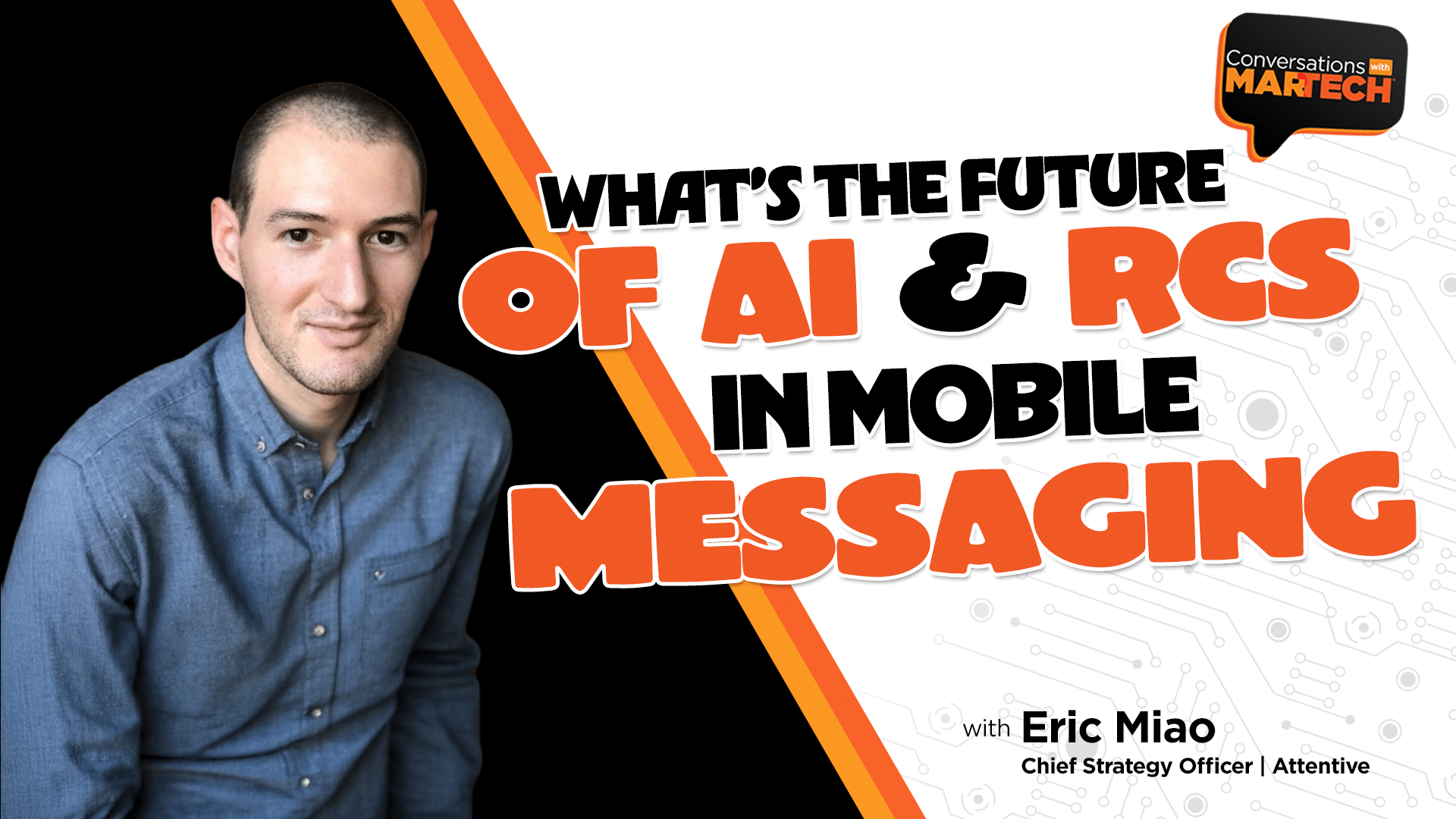
Eric Miao, chief strategy officer at Attentive, sits down on ‘Conversations with MarTech’ to unpack this messy reality. He highlights a critical point: brands are trapped in a cycle, still clinging to the “quantity over quality” mantra that got us into this mess. The real goal, he argues, should be moving beyond spam and cultivating authentic customer loyalty through AI-driven personalization. It’s a fine line, though. Too much AI, too much personalization, and it starts to feel less like helpful communication and more like surveillance.
RCS, the successor to SMS, has been languishing in development for years, overshadowed by the ubiquity of chat apps like WhatsApp and Telegram. But now, with carriers and operating systems like Google (and potentially Apple, eventually) pushing for its adoption, it’s gaining traction. Why? Because it offers features native to our current digital expectations: read receipts, typing indicators, high-resolution media sharing, and, importantly for brands, verified sender information. Think of it as the difference between a postcard and a beautifully designed, interactive app notification that actually works on your default messaging app.
But the road is far from smooth. Miao points out the technical “tightrope” brands must walk, especially with the advent of “unknown sender” filters from Apple and Google. These filters, designed to combat spam and scams, are a double-edged sword. They’re essential for user protection, but they also risk flagging legitimate, personalized communications as unwanted noise. This architectural shift in how messages are routed and vetted means brands can’t just blast away anymore; they need to earn their way into the inbox.
Is Your Phone Becoming a Gatekeeper?
This raises a crucial question for us, the recipients: Who is in control of our communication channels? For too long, it’s felt like the spammers and marketers. RCS, coupled with AI, could theoretically give us back some agency. Imagine an AI assistant that learns your preferences and only surfaces messages from brands you actually care about, presented in a rich, interactive format. That’s the utopia. The dystopia? The AI becomes hyper-efficient at learning how to precisely annoy you into a purchase, or the filters are so aggressive they block your aunt’s urgent message.
It’s a delicate dance between helpfulness and invasiveness. The underlying architecture of messaging is changing, and AI is the choreographer. It can either compose a symphony of relevant, timely communication or a cacophony of unwanted noise, amplified by ever-smarter, yet perhaps less scrupulous, algorithms.
My own take? We’re entering an era where the trustworthiness of a message will be its ultimate currency. RCS, with its potential for verification, combined with AI that can genuinely add value without being creepy, is the path forward. The companies that nail this won’t just be sending messages; they’ll be building relationships. The ones that don’t will find their communications hitting the digital equivalent of a brick wall – that dreaded spam folder.
As Miao puts it:
“The challenge for brands is to move beyond the ‘quantity over quality’ era of spam and use AI-driven personalization to build genuine customer loyalty.”
This is the core tension. AI offers immense power for personalization, but it’s the application of that power, guided by a commitment to genuine loyalty rather than just conversion metrics, that will define the future. The technology is there; the intent is what we need to watch.
What about Apple’s stance? They’ve historically been the walled garden of iMessage, making cross-platform messaging a less-than-ideal experience. Their integration of RCS is still a big question mark, and their own developing AI features could either complement or compete with a RCS-centric future. Until they fully embrace a universal standard, the “ultimate messaging experience” will remain fragmented, leaving us juggling different platforms and communication styles.
Looking Ahead: Beyond the Noise
The next year will be critical. We’ll see if RCS can move beyond its niche adoption and become a true competitor to app-based messaging for brands. We’ll also see if AI’s role in messaging shifts from simply automating outbound blasts to truly understanding user intent and preference. The companies that win will be those that prioritize relevance and trust, using AI and RCS not as tools to bombard us, but as pathways to meaningful engagement. Your phone, and your patience, depend on it.
🧬 Related Insights
- Read more: AI’s Hidden Hand in Marketing
- Read more: Executive Listening Tours: A Recipe for Disaster
Frequently Asked Questions
What does RCS actually do for messaging? RCS, or Rich Communication Services, enhances traditional SMS and MMS with features like read receipts, typing indicators, high-resolution media sharing, and verified sender information, making messages more interactive and trustworthy.
Will AI make my messaging experience better or worse? AI has the potential to make your messaging experience significantly better through hyper-personalization and relevance. However, if not implemented ethically, it could also amplify spam and lead to more intrusive marketing, making the experience worse.
Is Apple going to support RCS? As of recent announcements, Apple has indicated plans to adopt RCS in the future, though the exact timeline and implementation details are still being worked out. This is a significant development that could bring RCS to a much larger user base.