For years, the chatter around AI in commerce revolved around efficiency, personalization, and maybe a touch of that sci-fi dream where robots do all our shopping. We were all looking at it through the lens of helpful tools, assistants, or just fancier search engines. What we perhaps weren’t fully grasping, however, is the seismic shift brewing beneath the surface: the rise of agentic commerce. This isn’t just about better recommendations; it’s about AI agents acting with our full authority, becoming the ultimate arbiters of our purchasing decisions.
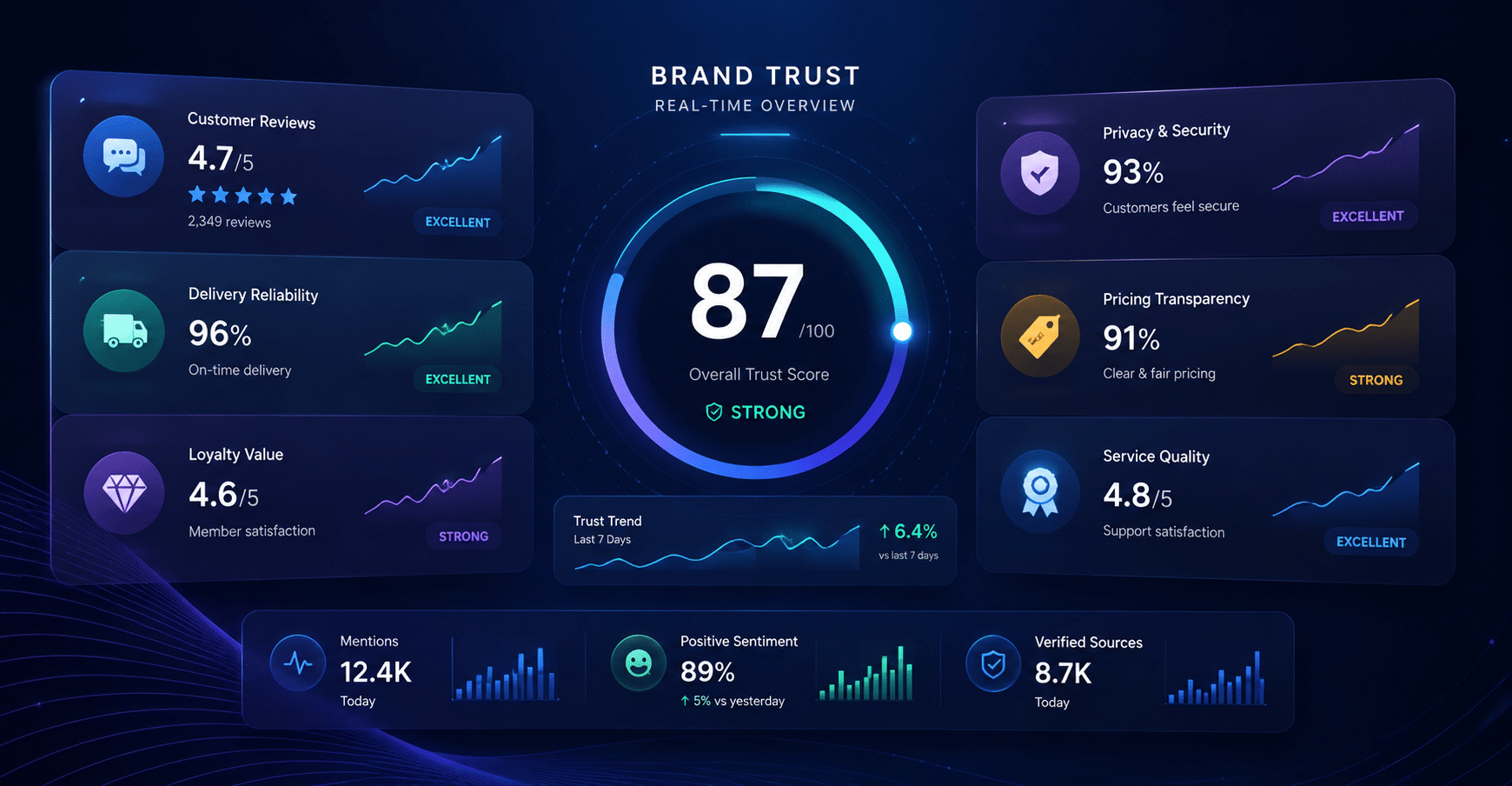
Think of it this way: we humans might pick a brand because it evokes a warm fuzzy feeling, a memory of a great ad campaign, or because it aligns with our deepest values. That’s been the bedrock of brand building forever. But now? Now, your brand isn’t just speaking to us; it’s speaking to a silicon-based auditor that doesn’t care about nostalgia or a catchy jingle. This auditor, this AI agent, is laser-focused on the cold, hard, provable facts: price transparency, fulfillment reliability, service history, loyalty program value, privacy policies, and oh yeah, that little thing called the actual delivery performance. Suddenly, the emotional advantage is taking a backseat to the verifiable one.
This is a monumental flip. It means the first significant audience you need to win over might not even be human. It’s software, operating on behalf of the customer, armed with an ironclad mandate to get the best deal, the most reliable service, and the least friction. And here’s the kicker: these agents are already here, making decisions. Nearly 70% of consumers are already leaning on AI tools to suss out purchases, and the projections are staggering. Bain forecasts that by 2030, a quarter of U.S. e-commerce—we’re talking hundreds of billions of dollars—will flow through agentic AI. That’s not a wave; it’s a tsunami.
So, your brand needs to be not just emotionally resonant but also, and I can’t stress this enough, machine-readable. It’s a dual imperative. While a killer ad might still tug at a consumer’s heartstrings, their agent will be dissecting your inventory accuracy, your return policies, and your service response times. In five years, the compelling advertising we’ve all obsessed over? It’ll likely take a back seat to your brand’s ability to quantitatively back up its promises.
Brand Trust Becomes an Evidence Locker
Trust. It’s the currency of brands. We gravitate towards familiar names because they promise to reduce risk, deliver consistent quality, and simplify our lives. In the nascent world of agentic commerce, that fundamental truth holds, but with a crucial upgrade: it’s now formal, evidence-based, and utterly unforgiving. Your brand’s emotional connection is wonderful, but if the AI agent can’t find verifiable proof points, that connection means little.
A customer might adore your brand for a thousand subjective reasons – past experiences, shared values, sheer habit. But their agent? It’s going to operate on concrete signals. Price volatility, fulfillment hiccups, opaque return policies – these aren’t minor quibbles for an agent. They’re dealbreakers. And this can create a stark divergence between what a consumer wants and what their agent recommends. Imagine asking an AI agent for telecom renewal options. It’s not going to ask about your personal chats with customer service reps. It’s crunching current contract terms, historical billing data, network performance, complaint rates, and competitor offers. That emotional component? It’s completely bypassed.
A brand can spend heavily on advertising, but if it has inconsistent billing accuracy or opaque contract terms, it may be excluded before retention marketing has a chance to intervene. The constraints of agents and the potentially binary need to get a “yes” or “no” answer to specific questions mean brands need to reevaluate how they document and communicate.
If your brand promises convenience but shows inaccurate inventory, or claims customer-centricity while burying cancellation terms, you’re setting yourself up for failure. The agent isn’t interested in your spin; it’s interested in the data. This forces a critical reevaluation of how brands document and communicate their offerings, moving from persuasive rhetoric to undeniable proof.
The New Gatekeepers: AI Agents
The vital moment of brand influence is no longer happening on your homepage or a Google ad. It’s happening in the digital ether, where consumer agents are already interacting with your brand’s systems, marketplace platforms, review sites, and yes, even your loyalty databases and fulfillment logs. This creates a formidable new gatekeeping layer. Before a human ever sees a recommendation, a machine must understand and approve your brand.
This means pricing, promotion, and product attributes can’t just be displayed; they need to be accurate, accessible, and, critically, machine-readable. Traditional SEO? Still vital, but it’s now just one facet of a broader agent visibility strategy. It requires a coordinated effort across product information management, order fulfillment, customer service data, and loyalty program structures. If an AI agent querying for a washing machine under $900 with a five-day delivery window and simple returns hits incomplete product data or fuzzy warranty information, your brand is out, even if the customer might have loved it.
Machine readability is table stakes. The deeper challenge is building confidence, so these agents recommend your brand based on strong, consistent data and operational proof. Visibility is the first hurdle; accurate interpretation by the agent is what ultimately clinches the sale.
Loyalty: From Sentiment to Algorithm
For too long, loyalty has been this nebulous, feel-good concept. Brands chase it, nurture it, and talk about it in hushed, reverent tones. But in the world of agentic commerce, if loyalty can’t be quantified and fed into an algorithm, it’s essentially invisible. Agents will sift through purchase history, engagement metrics, and service interactions, looking for tangible indicators of value and repeat business. A purely emotional attachment won’t cut it when a competitor offers demonstrably better loyalty rewards that an agent can directly process. Your loyalty programs need to be structured, transparent, and easily digestible by these AI decision-makers.
This isn’t just about better marketing; it’s about fundamental operational integrity. The brands that thrive will be those that can present a crystal-clear, verifiable case for their value, from the first click (or, more accurately, the first AI query) to the last mile of delivery. It’s a demanding new reality, but for those ready to embrace it, the future of agentic commerce is incredibly exciting.