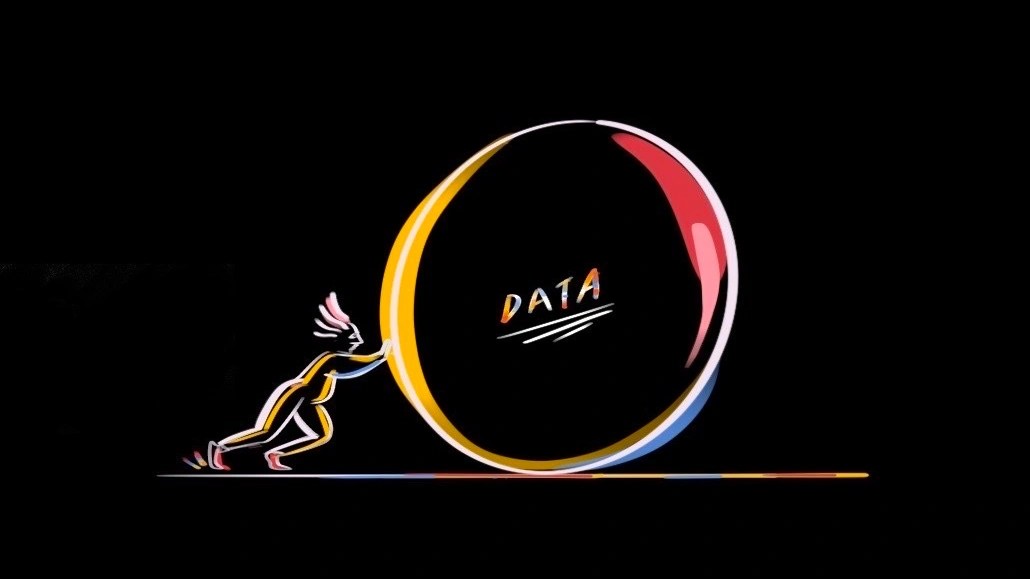
For the average consumer, this Publicis-LiveRamp deal might sound like corporate jargon. But strip away the technicalities, and it means advertising and marketing will become far more personalized, predictive, and — potentially — intrusive. The value isn’t just in having data anymore; it’s in owning and refining the unique, almost DNA-like datasets that fuel genuinely intelligent AI systems designed to understand and influence your behavior.
The AI Agent Ascendancy
It’s a fundamental truth in the AI race: raw processing power and generic models are becoming table stakes. What truly differentiates — and what commands premium value — is the proprietary data used to train these models. Think of it like this: anyone can buy a powerful car engine (a LLM), but only a select few have access to the bespoke, high-octane fuel (proprietary data) that unlocks its true, groundbreaking potential. Publicis Groupe, armed with a $38.5 per share, all-cash offer, is betting heavily that LiveRamp’s data collaboration platform, with its identity resolution, privacy-safe data clean rooms, and cross-platform measurement capabilities, is precisely that high-octane fuel. They’re not just buying data infrastructure; they’re buying the keys to unlock agentic AI, enabling systems to make decisions and respond to users with a level of nuanced understanding that today’s more blunt instruments can only dream of.
From Data Co-Creation to Agentic Control
LiveRamp’s core function, often dubbed “data co-creation,” is about securely stitching together disparate, high-value data sources across partners. This isn’t merely about aggregation; it’s about forging new, proprietary data assets. For Publicis, this means taking the vast trove of data it already possesses — expanded significantly by previous acquisitions like Epsilon and Lotame — and refining it into something far more potent. The goal is to feed these anonymized, integrated, dynamic datasets into AI agents. These agents, operating within a defined governance framework, are expected to move beyond simple programmatic ad delivery to actively anticipate needs, personalize interactions, and drive outcomes with a sophistication that could fundamentally alter how brands engage with consumers.
This isn’t Publicis’s first rodeo in data acquisition. The purchase of Epsilon in 2019 was a massive play for first-party data. Lotame, acquired more recently (though the article’s date mentions 2025, likely a typo), bolstered their audience marketplace and identity graph capabilities. But the LiveRamp acquisition signals a distinct evolution. It’s about moving from simply possessing data to weaponizing it for the age of advanced AI. This strategic pivot reflects a broader industry realization: commoditized AI models will leave businesses that rely solely on them in the dust. The true competitive edge will reside with those who can harness unique data to create intelligent agents capable of bespoke decision-making.
The companies said in a statement that no current or prospective customer will be prohibited from accessing or restricted in using their services.
This statement, while intended to reassure, warrants a skeptical eye. LiveRamp’s historical position has been one of neutrality and interoperability. The challenge for Publicis will be to maintain this while simultaneously leveraging LiveRamp’s capabilities to build its own proprietary AI advantages. The tension between open access and exclusive, AI-powering data assets will be a delicate balancing act, and one that industry observers will be watching closely. Will LiveRamp truly remain a neutral Switzerland of data, or will its primary allegiance shift towards serving Publicis’s internal AI ambitions? The latter seems the more probable commercial outcome, despite assurances.
Why This Matters Beyond the Ad World
The implications extend beyond traditional advertising. As AI agents become more sophisticated, they will be deployed across a wider range of customer-facing functions: sales, customer service, even product development. The quality and proprietary nature of the data used to train these agents will directly correlate with their effectiveness. This means companies with unique, well-maintained datasets will possess a significant advantage in creating AI that can truly understand and cater to individual needs. For consumers, this could translate into hyper-personalized experiences — think shopping suggestions that feel almost telepathic, or customer support that solves problems before you even fully articulate them. However, it also raises concerns about privacy, algorithmic bias, and the potential for increasingly sophisticated manipulation. The industry is moving towards AI agents that can ‘act’ on data; the question is, acting in whose best interest?
This acquisition isn’t just about better ad targeting. It’s about building the foundational intelligence for a new generation of AI-driven services, where proprietary data is the undisputed kingmaker. The race for AI dominance is increasingly becoming a race for exclusive, high-quality data fuel. Publicis just made a significant deposit in that race, and the industry is paying close attention.
**
🧬 Related Insights
- Read more: AEO ROI: 58% Higher Conversion from AI Traffic
- Read more: CeraVe Hits 40% ROI with NBA Social Strategy
Frequently Asked Questions**
What is LiveRamp? LiveRamp is a data collaboration platform that helps companies connect and use their data securely across different partners, enabling better identity resolution and privacy-safe data sharing.
What are “agentic AI capabilities”? Agentic AI refers to artificial intelligence systems that can act autonomously, make decisions, and respond to users within a defined framework, often powered by highly specific and proprietary data.
Will this acquisition restrict my ability to use LiveRamp services? Publicis Groupe has stated that no current or prospective customer will be prohibited from accessing or restricted in using LiveRamp’s services, aiming to maintain its role as an interoperable platform.