This isn’t just about a new weapon; it’s about a fundamental shift in how warfare is waged, powered by ingenuity and the relentless march of AI-driven platforms. What does it mean for real people? It means that previously untouchable strategic targets are now within reach, and the cost-benefit analysis of defense is being rewritten in real-time. Think of it like this: Imagine your smart home system suddenly gaining the ability to not only dim your lights but also launch a targeted laser pointer at the neighborhood cat. It’s that kind of evolutionary leap, applied to the grim business of conflict.
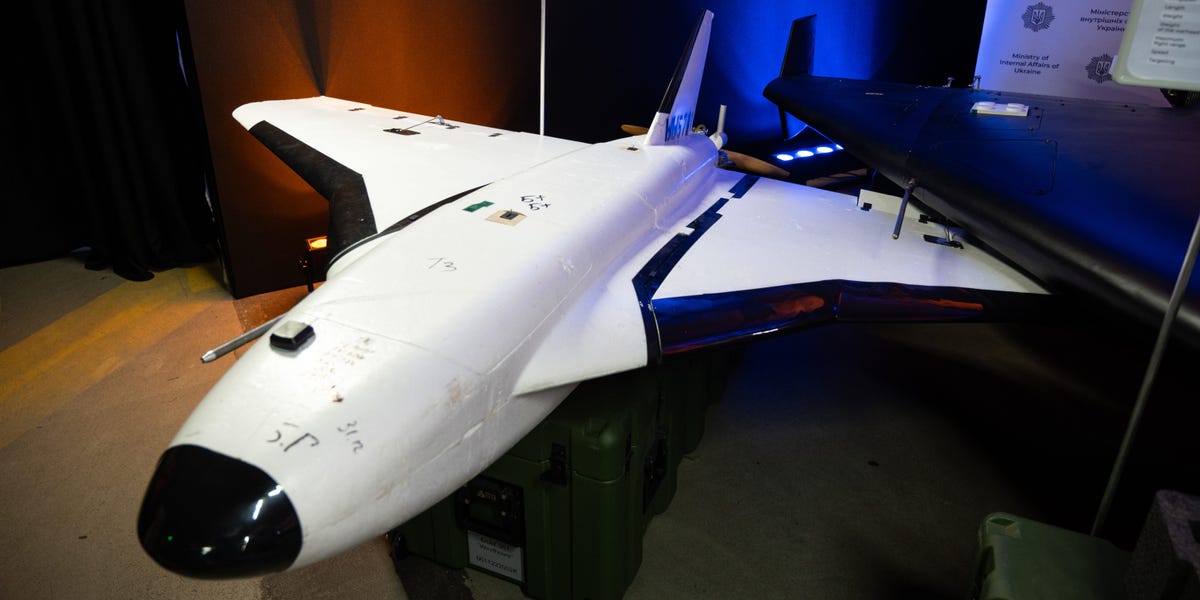
Ukraine’s Unmanned Systems Forces (USF) have apparently figured out how to give their long-range, one-way attack drones a significant upgrade. They’re strapping on rocket pods. Not just one or two, mind you, but up to eight unguided rockets per drone. This isn’t your grandad’s drone warfare; this is a glimpse into a future where platforms become incredibly versatile, multiplying their impact far beyond their initial design.
More Bang for Your Buck, Deep in Enemy Territory
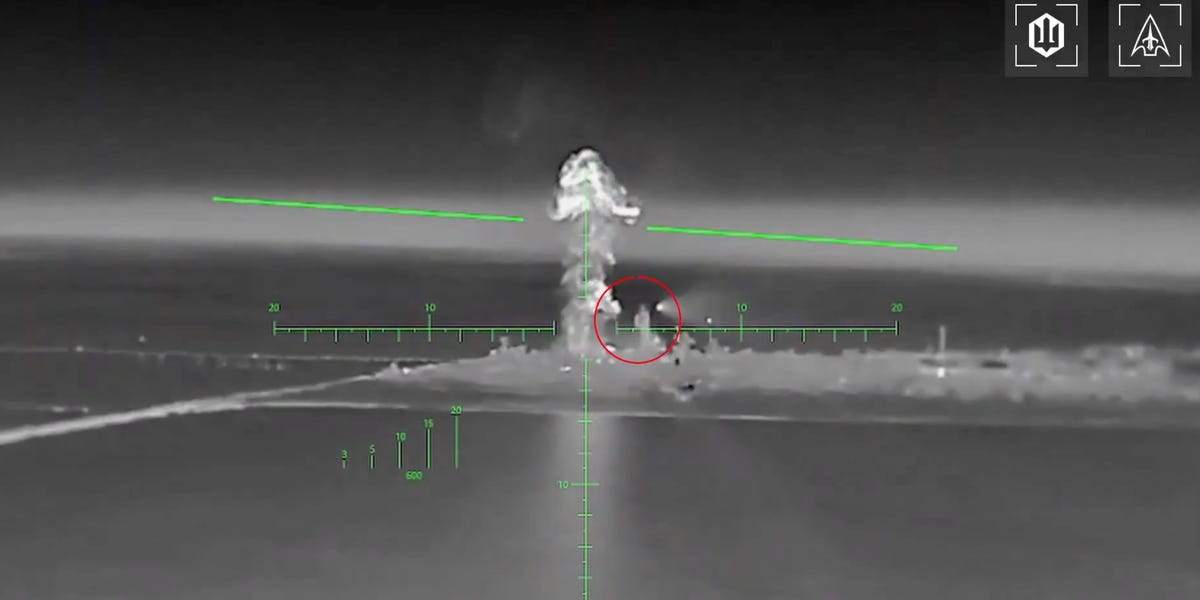
So, what’s the genius here? The drone can now launch a volley of these rockets, essentially acting as a miniature, mobile artillery piece. This softens up targets, suppresses enemy positions, and critically, disrupts air defenses. And then, after expending its rocket payload, the drone still has its original, substantial warhead ready for the primary objective. It’s like a boxer throwing a jab to set up a devastating uppercut – except the jab is a shower of rockets, and the uppercut is a 132-pound explosive.
One unit, the 414 Magyar’s Birds, claims some of these rocket-enhanced sorties are reaching targets up to 500 kilometers (around 310 miles) deep into Russian-held territory. That’s serious operational depth, pushing the boundaries of what was previously considered safe for drone operations. We’re talking about the kind of distances that used to require dedicated strike aircraft or long-range missiles.
“From now on, UAVs will be equipped with rocket pods for engaging different types of targets,” the USF added.
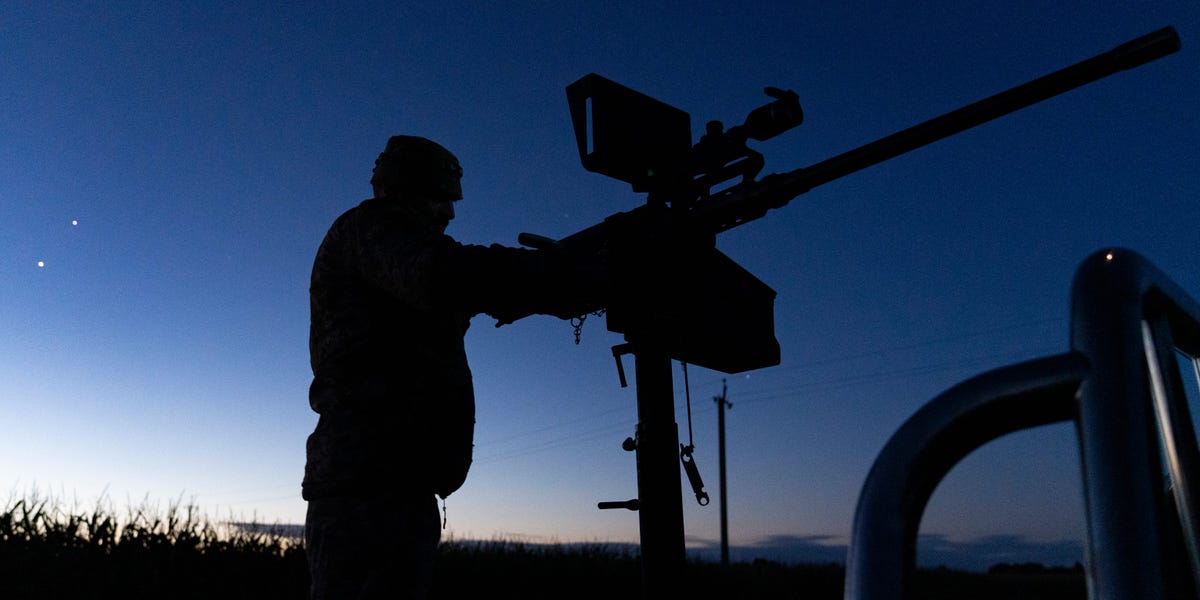
This statement, simple as it is, signals a profound strategic pivot. It’s not an experiment; it’s a declared capability. The implications for Russia’s air defense network, already stretched thin, are immense. Imagine being a gunner on a MANPADS crew, hunkered down, thinking you’re relatively safe because you’re miles behind the front lines. Then, suddenly, you’re facing not just a single drone, but a swarm of rockets followed by the drone itself.
A Platform Shift, Not Just a New Gadget
The brilliance lies in the modularity. These aren’t custom-built, single-purpose machines. They’re drones, powerful platforms, being adapted with off-the-shelf (or at least, relatively accessible) rocket technology. This adaptability is the hallmark of a true platform shift, akin to how early personal computers evolved from simple calculators to complex multimedia devices. The underlying hardware becomes a foundation for a dizzying array of software and attached peripherals – or in this case, munitions.
This tactic also offers a compelling economic advantage. While the drones themselves can cost tens of thousands of dollars, unguided rockets are comparatively cheap, often costing just a few thousand each. It’s a far more cost-effective way to project power at a distance than, say, launching expensive cruise missiles or risking manned aircraft. This is smart warfare, a proof to human ingenuity in the face of overwhelming odds. It’s the digital equivalent of figuring out how to make a toaster oven also bake bread and fry eggs – except, you know, more destructive.
Of course, Russia isn’t a slouch in the drone modification department either. We’ve seen reports of them fitting air-to-air missiles onto their Shahed drones. But the Ukrainian approach here feels particularly elegant in its dual-threat nature. It’s not just adding firepower; it’s adding layers of firepower and tactical flexibility.
Is This the Dawn of the ‘Swarm Rocket’ Era?
What this tells us is that the drone, as a platform, is far from its final form. We’re witnessing its evolution in real-time. The days of drones being solely for reconnaissance or single-payload attacks might be numbered. The ability to rapidly reconfigure a drone to carry different types of munitions, suppress enemy defenses, and then deliver a primary strike – this is the kind of adaptability that will define future conflicts and, perhaps, future commercial applications we can’t even imagine yet.
This isn’t just a minor battlefield tweak. It’s a paradigm shift. It’s about weaponizing flexibility, making the drone a Swiss Army knife of destruction, capable of tackling multiple threats with a single sortie. The implications for defensive strategies, for the cost of warfare, and for the very nature of aerial platforms are profound. We’re seeing the future, and it’s arriving via a modified drone, armed to the teeth.
🧬 Related Insights
- Read more: Bedrock’s DSP Leap: AI Bidding Unleashed on Index Cloud!
- Read more: Unity-Index Integration Unlocks Gaming Data for CTV/Web [Omnichannel Play]
Frequently Asked Questions
What kind of rockets are being used?
While specific models aren’t always disclosed, the rockets are described as unguided, likely similar to widely available S-8 variants, which are relatively inexpensive and common in military arsenals.
How far can these drones fly with the added rockets?
Reports suggest operational depths of up to 500 kilometers (about 310 miles), significantly extending the reach of Ukrainian strike capabilities into Russian-held areas.
Will this tactic be effective long-term?
The effectiveness will depend on Russia’s ability to adapt its air defenses and electronic warfare capabilities. However, the inherent flexibility and cost-efficiency of this approach suggest it could remain a significant tactical advantage for Ukraine.