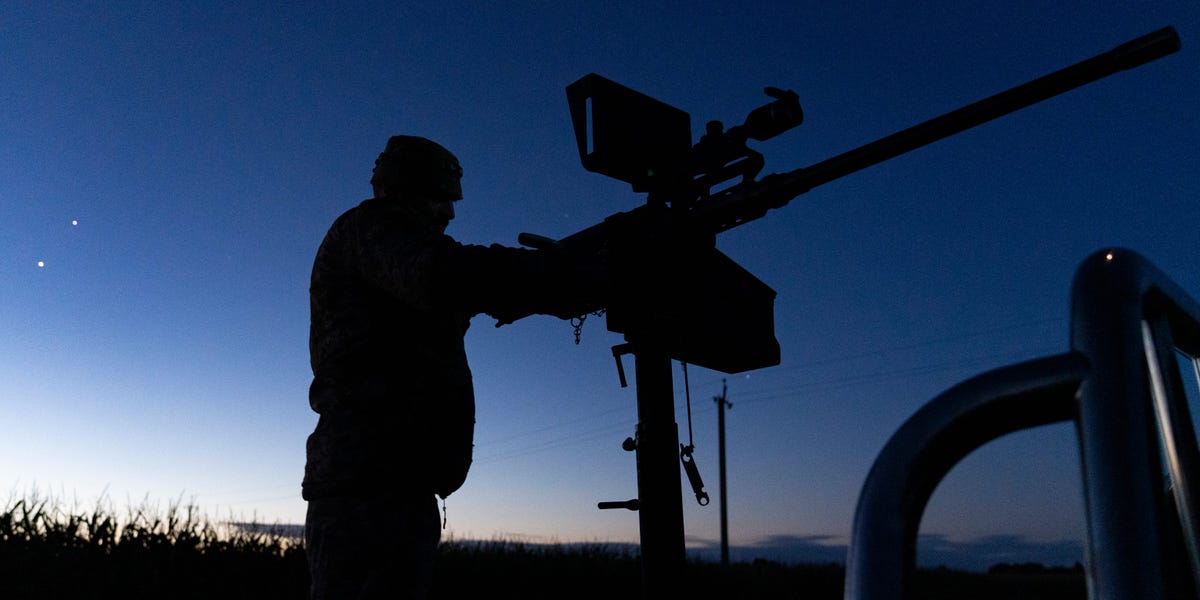
So, what does Russia’s latest tactic of throwing hundreds of drones at Ukraine all day, only to follow up with ballistic missiles at night, actually mean for the people living through it? It means a relentless, exhausting siege, where the threat never truly recedes. It means the jarring shift from the high-pitched whine of incoming drones to the terrifying rumble of missiles, all while crammed into a cold, damp bomb shelter. Business Insider was there, in the belly of Kyiv, to witness this brutal escalation firsthand.
They say war is hell. This particular brand of warfare, however, feels like a carefully orchestrated torture designed to fray nerves, exhaust defenses, and inflict maximum civilian misery. Picture this: you spend your day dodging waves of drones, the sky a constant threat. Then, as darkness falls, the nature of the danger changes, morphing into something even more explosive, more indiscriminate. It’s the psychological whiplash that gets you, the knowledge that the enemy isn’t just trying to win on the battlefield, but to break the spirit of the people.
Here’s the thing: this isn’t just random shelling. The patterns are emerging, a grim evolution in Russian tactics. First, you saturate the skies with drones for hours – over 750, according to Ukrainian officials, in one reported instance. This isn’t just an attack; it’s a drain. It’s designed to chew through air defense systems, to make them weary, to exhaust the operators and their precious munitions. And then, just when you think the immediate danger might be passing, or perhaps when the cover of darkness is deepest, you unleash the ballistic missiles. It’s a one-two punch aimed squarely at critical infrastructure and, let’s be blunt, at civilian lives.
The Bomb Shelter Ballet
Inside one such shelter, a former car park beneath Kyiv’s historic Podil district, the scene was a tableau of weary resilience. People huddled in the dim light, some trying to snatch a few hours of sleep in their cars, others claiming meager spots on makeshift beds or chairs. They listened to music, scrolled through phones for updates that often brought more bad news, or simply talked in hushed tones, the shared anxiety a palpable presence in the cold air. It’s a desperate attempt to reclaim a sliver of normalcy in a situation that is anything but.
This specific incident, described by Ukraine’s President Zelenskyy as “one of the longest massive Russian attacks,” saw at least six people killed and dozens injured. Buildings were reduced to rubble. The impact on real people isn’t just about the immediate casualties; it’s about the ongoing terror, the destruction of homes, the disruption of lives that can never be fully put back together.
Russia plans to deploy a large number of air- and sea-based cruise missiles, as well as ballistic missiles. The targets include ‘critical infrastructure and life support systems of major cities, including energy facilities, defense industry enterprises, and government buildings.’
This quote from Ukraine’s GUR military intelligence agency lays bare the strategic intent. This isn’t about targeting military installations alone. This is about crippling a nation, about making everyday life unbearable. And it’s a strategy that seems to be evolving, a “significant operational development” according to some think tanks, as Russia adopts these continuous night-day strike cycles.
Who Profits from This Exhaustion?
Let’s talk about who actually benefits from this kind of prolonged, exhausting assault. It’s not about a clean military victory anymore, is it? It’s about attrition. It’s about breaking an opponent’s will through sheer, unrelenting pressure. For the defense contractors supplying the drones and missiles, sure, there’s profit. But for the wider geopolitical picture, it’s a grim strategy of creating chaos and demonstrating a capacity for sustained, indiscriminate aggression. The question for the rest of us, watching from afar, is how long can the world tolerate this escalating pattern of civilian targeting masquerading as warfare?
And for those on the ground, the human cost is incalculable. The constant fear, the disrupted sleep, the physical and psychological toll of living under this dual threat. It’s a stark reminder that the abstract maneuvers of geopolitics have incredibly tangible, devastating consequences for ordinary people caught in the crossfire. This isn’t just news from a far-off conflict; it’s a snapshot of a brutal, evolving reality for millions.
FAQs
What is Russia’s new military tactic in Ukraine? Russia is increasingly using combined daytime drone attacks followed by overnight ballistic missile strikes, aiming to exhaust Ukrainian air defenses and target critical infrastructure.
How does this affect civilians in Ukraine? These prolonged attacks create constant fear, disrupt daily life, damage residential buildings and civilian infrastructure, and lead to casualties, forcing people into shelters for extended periods.
Why is Russia using drones during the day? The daytime drone attacks are believed to be an effort to draw out and deplete Ukraine’s air defense resources before launching more destructive missile barrages at night.