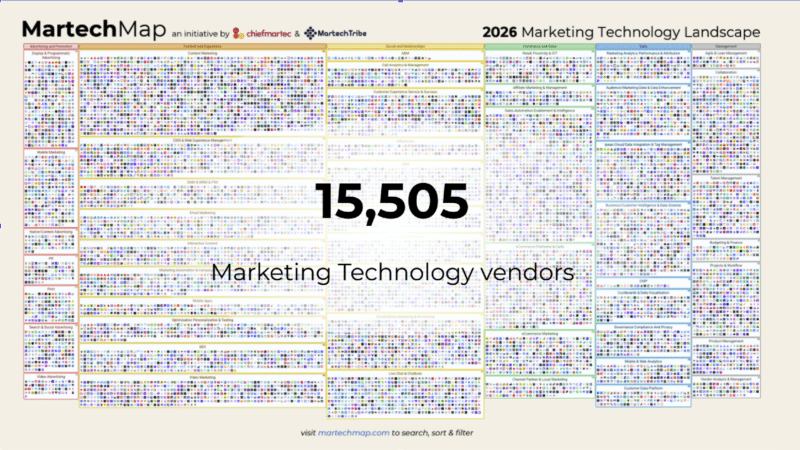
10% revenue growth. That’s the figure brands can expect by maintaining strong brand cohesiveness across their entire product and channel portfolios. And yet, fewer than 10% actually achieve it. Numbers like these—stark, quantifiable—are the kind that make you stop scrolling. Because they point to a massive, ongoing failure in marketing operations. The average B2B organization juggles between 12 and 20 martech tools, a dizzying array of subscriptions and logins, and what do they get for it? Brand elements that drift, logos that are slightly off-color, and messaging that’s a season behind. Individually, these are minor blips. Cumulatively? They’re an erosion of equity, a slow leak in the brand’s hull that you know is happening but struggle to plug.
Here’s the thing: the problem isn’t a lack of technology. It’s a fundamental misunderstanding of how to assemble it. The goal isn’t just to have tools; it’s to have the right tools, orchestrated with a singular, intentional purpose.
Strategy First, Then the Stack
Before anyone even thinks about auditing current software or chasing shiny new platforms, the foundational step is crucial: defining what brand equity actually means to your organization. David Aaker’s enduring model—encompassing loyalty, awareness, perceived quality, brand associations, and proprietary assets—offers a powerful lens. It’s about reframing brand management from a reactive, tactical chore into a proactive engine for sustained growth. How does this translate to your martech stack? It means your tools must serve two masters: building your brand and protecting it.
On the building side, the unsung heroes are often the strategy and planning platforms. Think Notion, Miro, Lucidchart. These aren’t the tools that push creative assets to the world, but they’re indispensable for documenting positioning, mapping customer journeys, and establishing clear messaging hierarchies. They create the shared mental model upon which successful downstream execution depends. Without this documented foundation, your design and content teams are essentially working blind, guessing at intent. It’s a recipe for inconsistency.
The Indispensable Core: Digital Asset Management
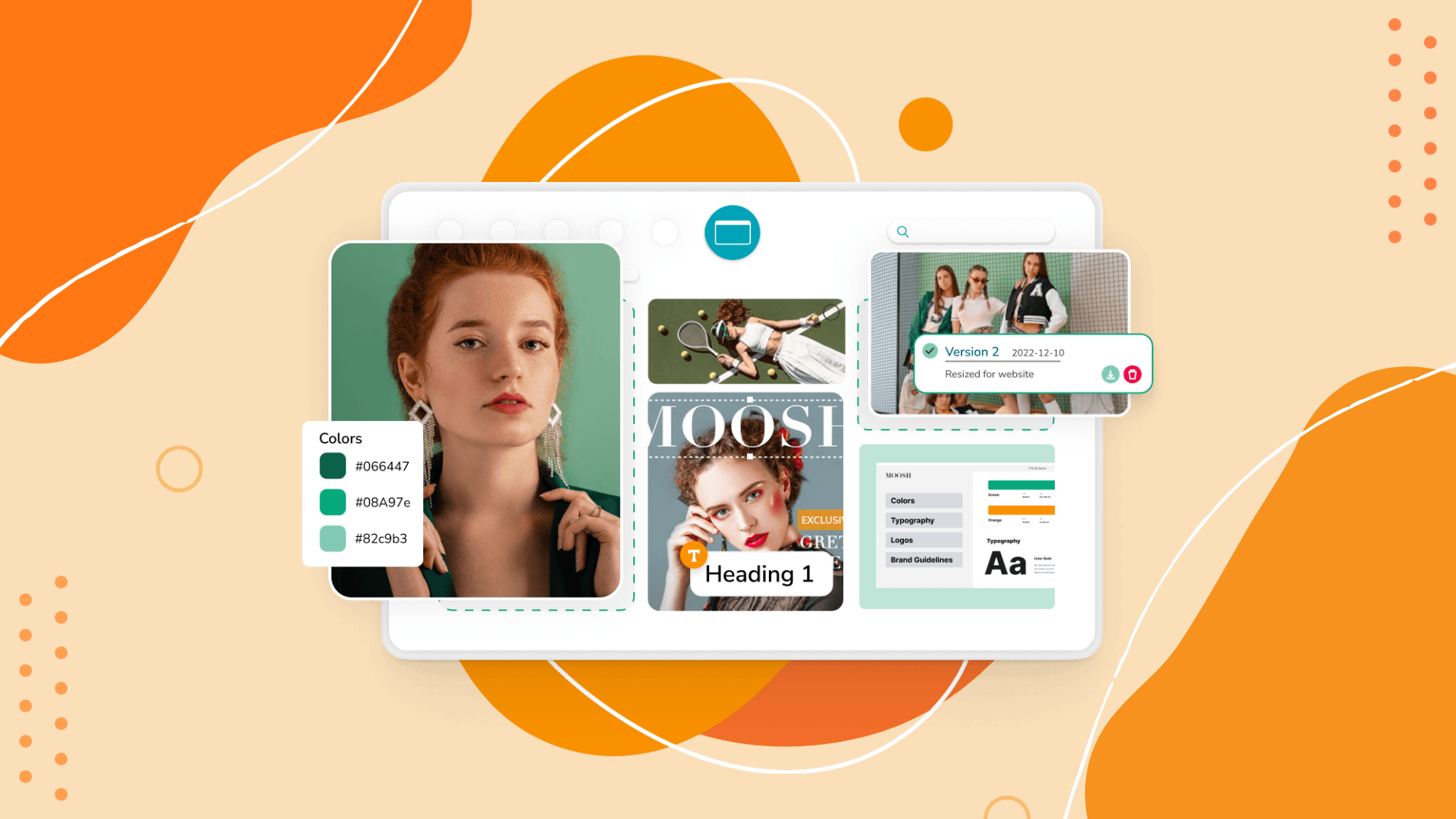
If there’s a single piece of technology that distinguishes a functional brand management stack from a chaotic collection of disparate apps, it’s Digital Asset Management (DAM). Cloud storage solutions like Google Drive or Dropbox are often mistakenly lumped into this category, but their capabilities are worlds apart. A DAM system doesn’t just store files; it centrally organizes, manages, delivers, and governs brand assets throughout their entire lifecycle. This includes vital features like approval workflows, granular permission controls, strong version management, integrated design templating, and the ability to easily share comprehensive brand guidelines. These aren’t optional extras; they’re the operational bedrock of brand consistency.
Think about it. When every team member, every external agency partner, every franchisee, and every distributor is pulling from the same approved, current asset library, brand drift simply stops being an inevitability of doing business. It ceases to be the default state. And with recent AI-driven innovations in DAM—accelerated content discovery, automated metadata tagging, natural language search capabilities—the operational friction is being further reduced, freeing up creative teams and speeding up go-to-market timelines.
Execution Tools That Reinforce Brand Standards
Beyond the DAM, you need tools that translate brand strategy into published content without introducing fresh inconsistencies. For visual design, the choice often hinges on team composition. Adobe Creative Cloud remains the professional standard for seasoned creatives, while Figma excels in collaborative UI design. Canva offers a simpler, more guided experience for those who need guardrails and ease of use.
The crucial balancing act is giving your teams the autonomy they need to generate content for specific campaigns while simultaneously ensuring adherence to brand guidelines. Many design tools offer brand templating features, often at a premium level, to address this. However, a compelling alternative that offers tighter brand control—and invaluable usage analytics—is leveraging brand templates directly within your DAM.
For social media and content distribution, platforms such as Hootsuite, Sprout Social, and HubSpot are essential for coordinated publishing across channels. The key here, however, is ensuring these platforms pull assets from your DAM, not from individual desktops. This simple architectural shift guarantees that only on-brand, approved, and up-to-date content gets syndicated. Content and SEO tools like SEMrush and Ahrefs then round out this execution layer, informing content strategy and optimization.
Why a Cohesive Stack Matters More Than Ever
The temptation is always to add another tool to solve a specific, immediate problem. But this approach leads to the sprawling, disconnected martech stacks that plague so many organizations. The true power lies not in the quantity of tools, but in their intelligent integration. A well-architected martech stack, with DAM at its heart, becomes less of a cost center and more of a strategic asset. It’s the operational framework that allows brand consistency to scale, driving that vital 10-20% revenue uplift and building the enduring equity your brand deserves.
🧬 Related Insights
- Read more: Reddit Claims 44% of Google AI Citations as Martech Goes Transactional
- Read more: $5B Bid Duplication Fix: Programmatic Peacekeeping Council Launches
Frequently Asked Questions
What is a martech stack? A martech stack is the collection of marketing technology tools a company uses to manage its marketing operations, campaigns, and customer relationships.
How does DAM improve brand consistency? DAM systems centralize brand assets, enforce approval workflows, manage versions, and control access, ensuring that only approved and current brand materials are used across all channels.
Is it worth investing in a DAM system? Yes, given that consistent branding can increase revenue by 10-20%, a DAM system is a strategic investment that operationalizes brand consistency at scale, protecting brand equity and driving business growth.