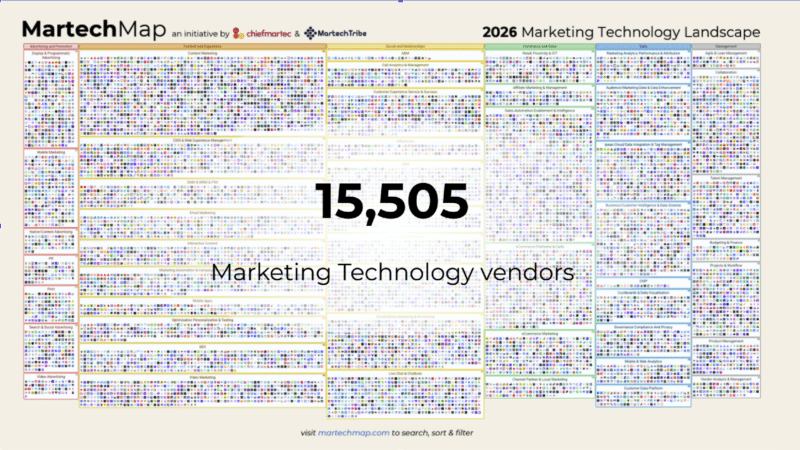
The data is stark: brands are drowning in martech tools, with B2B orgs juggling 12 to 20 platforms. Yet, brand consistency remains an elusive unicorn for over 90% of them. This isn’t a new problem, but it’s one that’s escalating with the sheer volume of content demanded across an ever-expanding digital landscape. Think slightly off-color logos, outdated messaging lingering on partner sites – individually minor stumbles that collectively erode hard-won brand equity.
Look, it’s not about acquiring more software. It’s about strategic assembly. The argument Canto makes, and one that resonates with market realities, is that the solution lies in selecting and aligning the right tools with intentionality. Before you even glance at another vendor demo, the foundational step is defining what brand equity truly means for your organization.
David Aaker’s model—loyalty, awareness, perceived quality, associations, proprietary assets—provides a strong framework. This shifts brand management from a tactical afterthought to a strategic growth engine. For your martech stack, this translates to needing tools that not only build brand but, perhaps more importantly, protect it.
Platforms like Notion, Miro, and Lucidchart are unsung heroes here. They facilitate the documentation of positioning, the articulation of messaging hierarchies, and the mapping of customer journeys. They create the essential, shared understanding that prevents design and content teams from operating in silos, essentially guessing at the brand’s direction. Without this documented bedrock, downstream execution inevitably suffers.
The Unsung Hero: Digital Asset Management
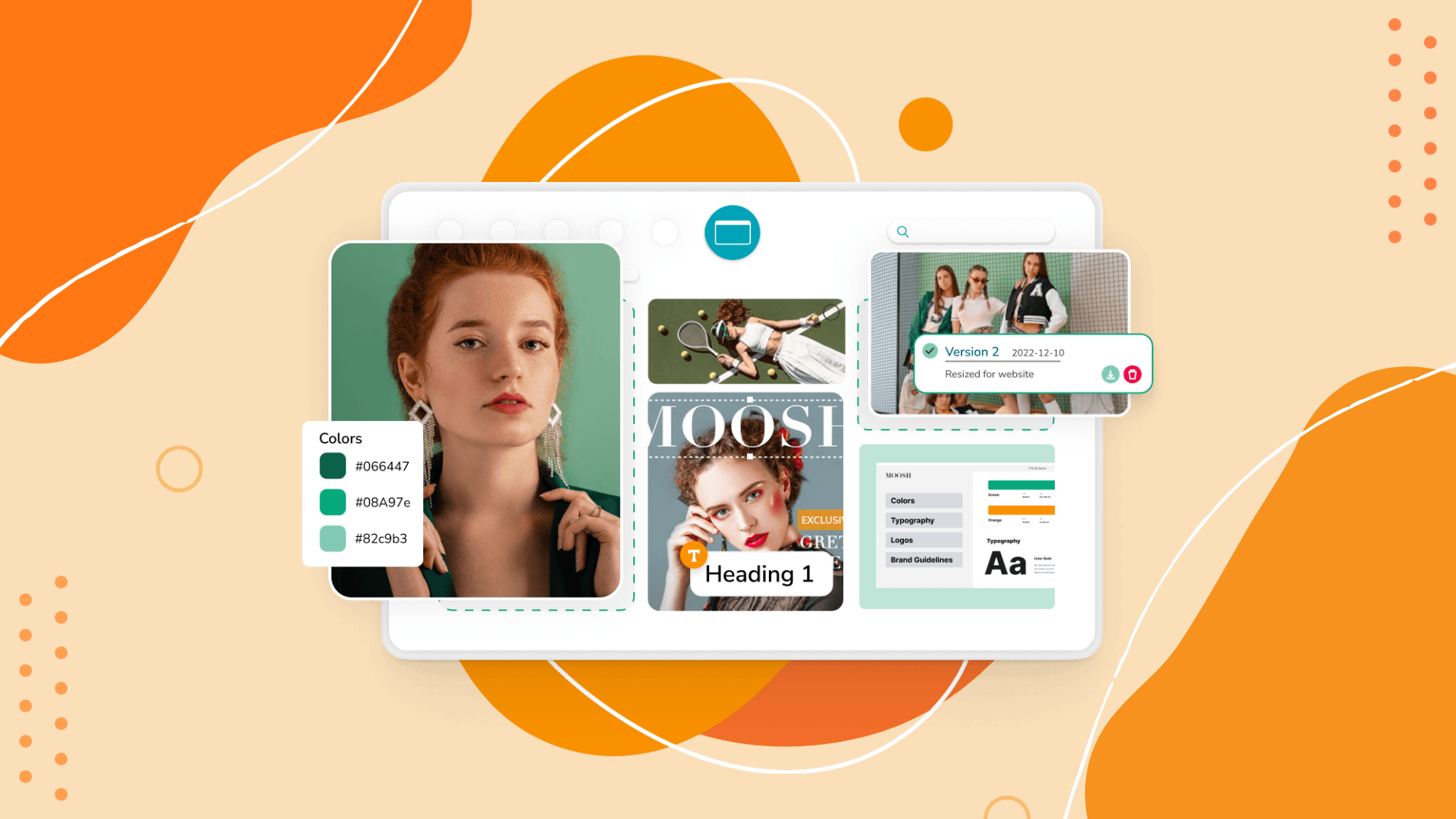
If a martech stack is a house, Digital Asset Management (DAM) is its reinforced foundation and meticulously organized storage. Cloud storage solutions, despite their ubiquity, are poor substitutes. They lack the core functionalities: approval workflows, granular permission controls, version management, built-in templating, and, crucially, the ability to easily share approved brand guidelines. DAMs, conversely, are designed to centrally organize, manage, deliver, and govern brand assets throughout their entire lifecycle.
The revenue uplift associated with consistent branding—often cited between 10–20%—isn’t accidental. It’s a direct consequence of operational infrastructure that makes consistency scalable. When every stakeholder, from internal teams to external agencies and distributors, accesses a single, approved, up-to-date asset library, brand drift becomes an anomaly, not a certainty.
And the innovation hasn’t stopped. Modern DAMs are leveraging AI to accelerate content discovery, automate tedious metadata tagging, and enable natural language searches across vast libraries. This is critical for reducing the creative bottleneck that too often chokes go-to-market timelines.
Beyond DAM: Execution Tools That Reinforce Standards
Beyond the DAM, the execution layer of your martech stack must actively reinforce brand standards. For visual design, the choice hinges on team composition. Adobe Creative Cloud remains the professional standard. Figma excels in collaborative UI design. Canva offers a streamlined experience for less design-centric roles, providing guardrails rather than unfettered creative freedom.
Here’s the crucial balance: empowering teams with the autonomy to create campaign-specific content while rigorously enforcing brand guidelines. While many design tools offer premium-tier brand templating, a more strong approach involves utilizing brand templates directly within your DAM. This not only enhances brand control but also provides invaluable usage analytics.
For social media and content distribution, platforms like Hootsuite, Sprout Social, and HubSpot are essential for coordinated multi-channel publishing. The operative word here is coordination. The critical link is ensuring these platforms pull assets directly from your DAM, not from individual hard drives. This guarantees that only approved, on-brand, and current content makes its way to public channels.
Content and SEO tools like SEMrush and Ahrefs complete the execution layer, helping to ensure that brand messaging not only looks good but is also discoverable and effective.
Is Your Martech Stack Actually Helping?
The market is saturated with martech solutions, leading many organizations to build sprawling, complex stacks that fail to deliver on their promise of efficiency and consistency. The core issue, as Canto highlights, isn’t the quantity of tools but their integration and strategic purpose. A well-assembled stack, anchored by a strong DAM, transforms disparate functionalities into a cohesive brand-building machine. It’s not about adding more complexity; it’s about intelligent simplification and alignment.
The Historical Parallel: Brand Consistency in the Pre-Digital Age
It’s easy to get lost in the digital minutiae, but the challenge of brand consistency predates the internet by decades. Think of the tightly controlled visual language of Coca-Cola in the mid-20th century or the meticulously curated experience of a McDonald’s franchise. These global brands achieved consistency not through complex software, but through rigorously enforced brand standards, centralized training, and highly controlled distribution of assets (think print ads, signage, employee uniforms). The DAM is simply the digital equivalent of that centralized, enforced brand control, scaled for a global, always-on digital world. The strategy remains the same, only the tools have evolved dramatically.
🧬 Related Insights
- Read more: HubSpot Tops AI Search as #1 CRM [1850% Leads Surge]
- Read more: Grubhub’s Tax Day ‘Fee Return’: Desperate Measures?
Frequently Asked Questions
What does Canto actually do? Canto is a leading Digital Asset Management (DAM) solution that helps organizations organize, find, and share their brand assets. It provides features for managing images, videos, documents, and other brand collateral, ensuring consistency and efficiency.
Will this replace my marketing team? No, a DAM system is designed to augment marketing teams, not replace them. It streamlines asset management, reduces manual tasks, and frees up marketers to focus on strategic initiatives and creative work.
How much does a DAM system typically cost? DAM system costs vary widely based on features, storage needs, user count, and vendor. Pricing can range from hundreds to thousands of dollars per month, with some enterprise solutions costing significantly more.