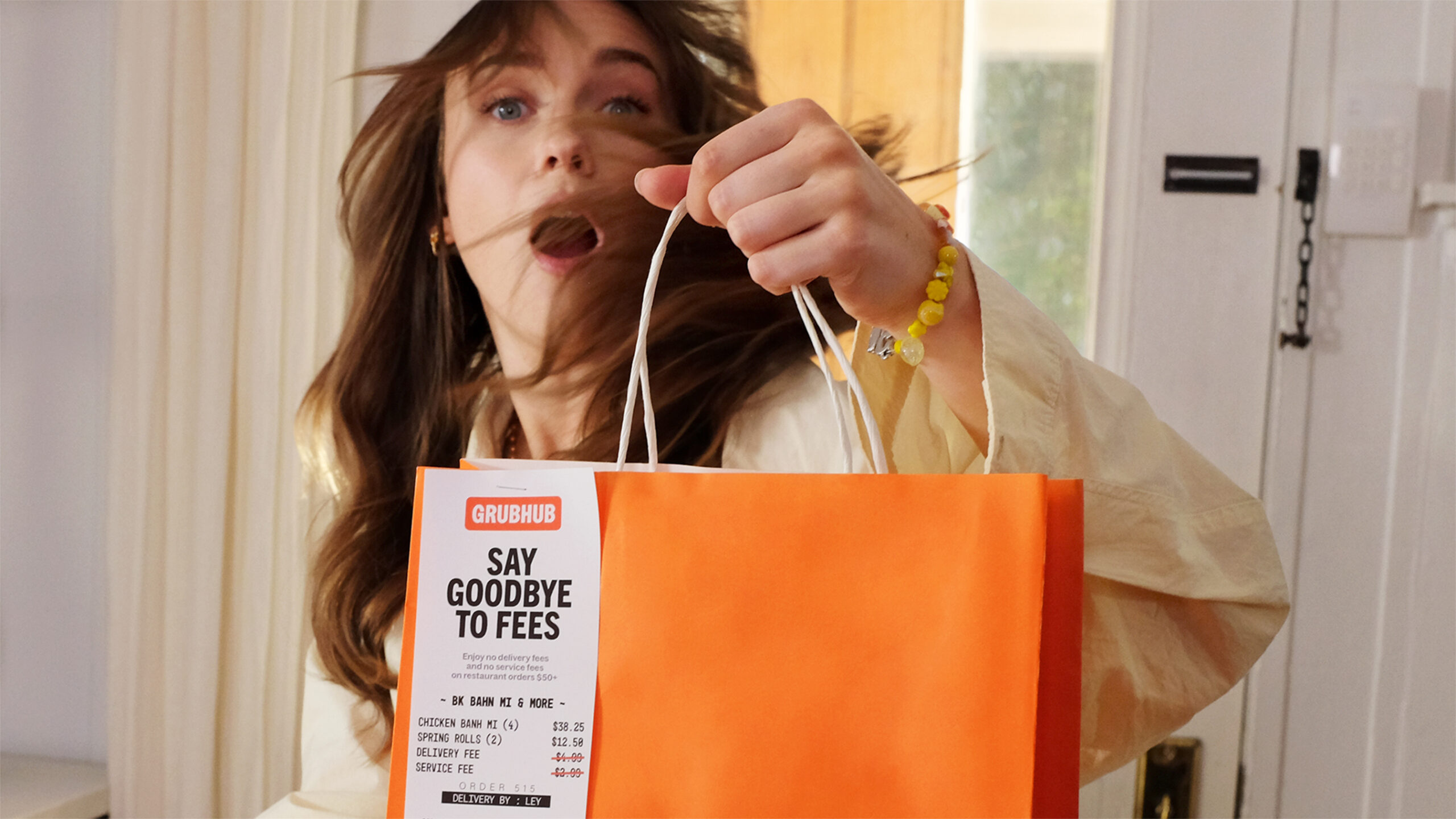
The receipt fluttered onto the kitchen counter, a stark white reminder of a Friday night indulgence. More than half the bill? Delivery fees. Joy.
Grubhub, bless its heart, decided to tackle this collective dread head-on. Their brilliant idea for tax season 2024 (well, the 2025 tax filing season for 2025 fees, it’s a whole thing) was to give people $100,000 in credits. How? By letting them submit proof of fees paid to any food delivery app. Yes, you read that right. They’re paying people back for ordering food delivery, presumably to get them to order more food delivery from them. It’s a bold move. Or a desperate one.
They’re calling it the “Grubhub Fee Return.” The sweepstakes, which ran April 6-15, dished out $20 in credit to 5,000 lucky diners. The stated goal? To inject “relief and levity” into tax season, which is apparently more stressful than a root canal for nearly half of us. And, of course, to tap into this pervasive “treat culture” that millennials and Gen Z apparently rely on to get through the week. You know, ordering a $15 burrito that ends up costing $30 once the delivery overlords have had their cut.
“When we looked at [treat culture] relative to our category within food delivery, 46 percent — so almost half — of diners report ordering takeout as a way to treat themselves or their families,” chirped Christopher Krautler, Grubhub’s Senior Director of Brand Marketing and Consumer Communications. “It really just made perfect sense for Grubhub to step in with the fee return and help diners get a little bit more ‘treats’ during this time to combat that ‘taxiety.’”
Taxiety. That’s a new one. Frankly, I prefer the simple, unadorned anxiety of knowing I just spent $50 on pad thai. But hey, if a catchy portmanteau helps sell the idea, who am I to judge? They even threw in a tangential offer – $10.40 off orders over $50 from Sweetgreen, Krispy Kreme, or Chili’s. Because nothing says “tax relief” like a discount on a donut.
The Comedy Angle: Because Nothing Says ‘Relief’ Like a Comedian
To really hammer home this “taxiety” concept, Grubhub roped in Veronika Slowikowska, a comedian and SNL cast member. She stars in a video designed to be relatable – the struggle of looking at your finances, the sweet relief of getting money back. Her social media cred – 1.1 million Instagram followers – made her a prime candidate. Social currency, apparently, is earned by making people laugh about their takeout bills.
“We wanted to really bring humor to add levity to a taxiety conversation. And we know that humor drives memorability and it encourages sharing, which is one of the highest forms of social currency,” Krautler explained. “[Veronika] has a real unfiltered approach to her comedic style, and she’s just one of those people that can kind of say anything and you will laugh, even if it’s about food delivery fees.”
Six weeks from concept to launch. That’s a surprisingly quick turnaround for a campaign that hinges on the idea that your food delivery bills are so bad, they’re actually funny. The video went out via paid and organic social, naturally, with Slowikowska and other influencers doing their thing. The actual credit offers? Pushed through the app, of course. Standard stuff.
And the early results? Apparently, 50,000 people visited the microsite in two days. And they received more than enough submissions for the 5,000 credits they planned to award. Numbers look good on the surface. But what do they really mean?
Is This Just About Brand Health?
According to Grubhub, conversion isn’t the be-all and end-all here. The real prize? Awareness. And making Grubhub seem like a brand that offers… wait for it… “unbeatable value.” This comes hot on the heels of their George Clooney Super Bowl ad, where they announced they were axing delivery fees on orders over $50. Clearly, they’re trying to shift the narrative. From expensive convenience to a platform that’s actually trying to save you money.
“Our primary [metric] for this really is around perception, and that perception is a brand that offers unbeatable value. And then that perception starts to grow and outpace our competitors. Because at the end of the day, people, yes, they’re looking for things like convenience, but they’re looking for value in savings. And that just hasn’t changed in the last four years that I’ve been here.”
It’s a nice sentiment. But here’s the kicker. This whole campaign, including the Super Bowl ad, feels less like genuine value and more like damage control. The food delivery market is a bloodbath. Customers are increasingly wising up to the hidden costs. Grubhub’s entire business model relies on people willing to pay a premium for convenience. When that convenience starts to feel like highway robbery, you get stunts like this. It’s like trying to put out a forest fire with a water pistol. You might get a little damp, but the underlying problem remains.
They’ll measure perception, affinity, and top-of-mind awareness. All the usual suspects. But the real test? Whether people actually trust Grubhub when they order their next latenight snack. Because “taxiety” or not, nobody likes feeling fleeced.
And let’s be honest, if I’m going to get money back on delivery fees, I’d rather it be through some sort of automatic rebate rather than a campaign requiring me to prove I was overcharged. It feels like a lot of hoops to jump through for twenty bucks. If this is the future of food delivery marketing, we’re all in for a long, expensive ride.