The fluorescent hum of a trade show floor. Another speaker droning on about… well, more clicks. It’s enough to make you want to hide in the free coffee station.
We’ve all been there. Drowning in acronyms and slick PowerPoint slides that promise the moon but deliver lukewarm data. The ad ops world, in particular, has a well-earned reputation for optimizing itself into a corner, chasing efficiency metrics that look great on a dashboard but translate to zilch in actual business value. It’s like meticulously polishing a car that’s missing an engine.
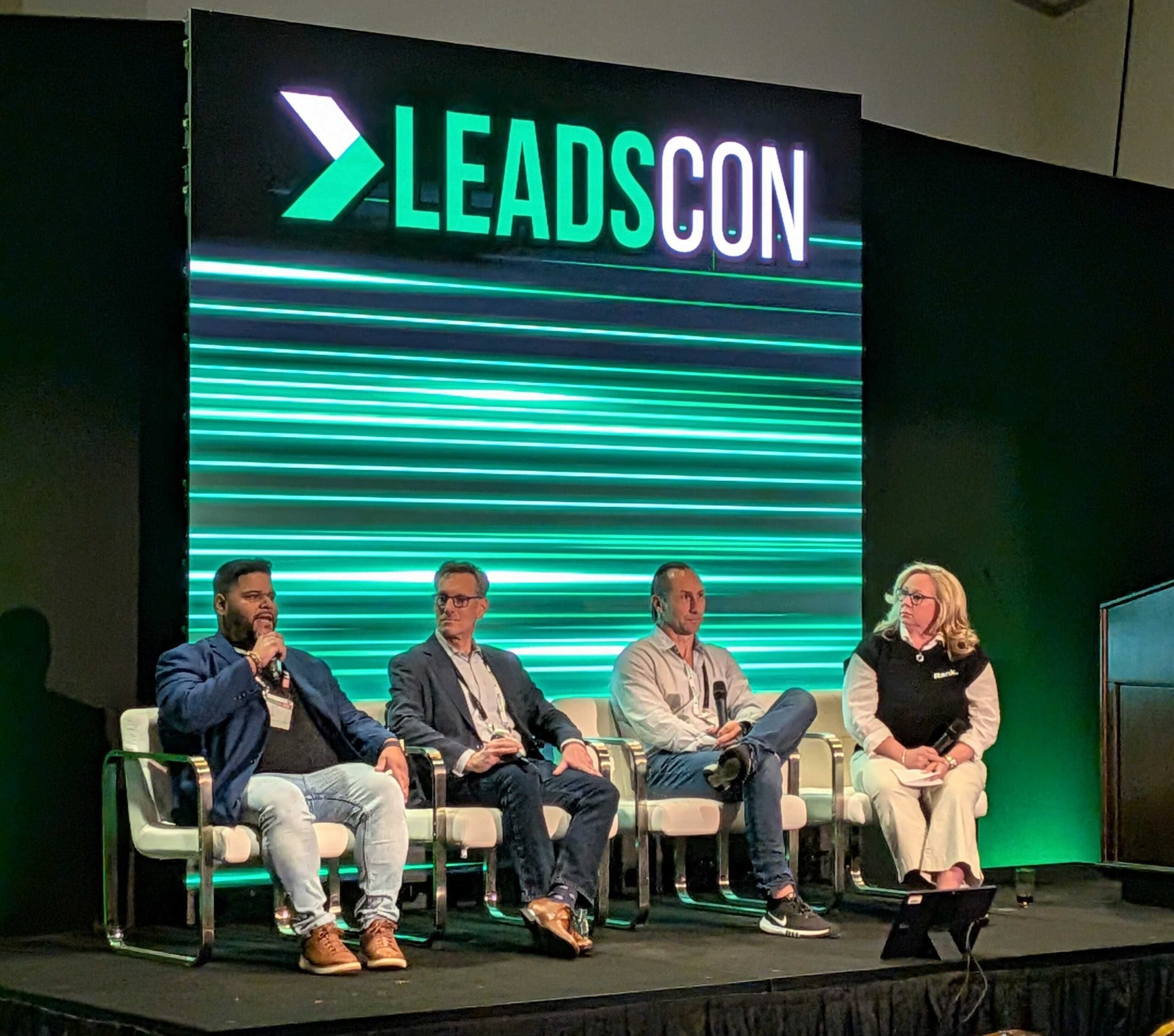
This year’s lead generation conference, however, served up a much-needed dose of reality, courtesy of eHealth, the online insurance marketplace. Their story isn’t just about better targeting; it’s a brutal indictment of a common ad ops fallacy: treating every conversion as a finish line. Spoiler alert: it’s not.
The $100 Million Hole
For years, eHealth operated under the delusion that generating a call, routing it to an agent, and closing an enrollment was the be-all and end-all. Sounds efficient, right? Wrong. This relentless focus on the first transaction cost them dearly. We’re talking a cool $100 million in annual losses. Ouch.
But then, Michelle Barbeau, eHealth’s CRO, flipped the script. They stopped seeing each conversion as a victory and started looking at the relationship. Instead of optimizing for one-off deals, they began connecting interactions over time. They assigned customers a dedicated advisor who stuck with them. Policies were tied to a single, unified profile. And the success metrics? They exploded beyond that initial enrollment to include renewals, add-ons, and, critically, retention.
“Enrollment isn’t the goal. Lifetime value is,” Barbeau explained, her voice cutting through the usual industry platitudes. “If you’re not measuring what happens after that first transaction, you’re missing the majority of the story.”
And the results? From drowning in red ink to pulling in a cool $95 million in adjusted EBITDA. That’s not a typo. That’s the power of looking past the immediate gratification of a low Cost Per Acquisition (CPA).
The Ad Ops Blind Spot: Not All Clicks Are Created Equal
For those of us buried in the trenches of ad operations, the takeaway is stark: not all conversions are created equal. Optimizing solely for the lowest CPA is a siren song. It reliably attracts users who are just browsing, clicking on anything that moves, and are utterly useless in the long run. What you really want are customers who stay, who spend, and who return. That’s the sustainable approach. It’s the difference between a flash in the pan and a lasting business.
Gregg Johnson, CEO of Invoca, put it with the bluntness we all appreciate: “If you can’t connect calls and clicks to long-term value, you’re just optimizing for volume.” And he’s absolutely right. Volume without value is just noise. Expensive noise.
So, How Do We Actually Do This?
Knowing is one thing. Doing is another. How do you actually cultivate these high-value users through better advertising inputs?
One promising avenue lies with video and creator-led campaigns. Advertisers are already familiar with these channels, but their real power shines when they align with user intent. Think about it: creators need to reach their audiences at the precise moments when someone is actively looking to buy a home, manage debt, or make a significant financial decision. When the timing is right, users are primed to act, and their perception of ads shifts dramatically. They’re not just seeing an ad; they’re seeing a solution to an immediate need.
“Creators don’t just drive awareness; they drive decisions as well,” noted Don Batsford, Google’s head of industry. “When the message matches the moment, performance follows.” This is the kind of insight that makes conferences bearable. It reframes audience targeting. It’s not merely about cost or scale; it’s about whether a channel consistently delivers users who possess stronger intent and a higher downstream value. It’s about quality, not just quantity.
Batsford highlighted YouTube’s ABCD framework (Attention, Branding, Connection, Direction) as a structured way to evaluate video creative. Attention measures actual engagement. Branding ensures message consistency. Connection establishes relevance by aligning with user needs. And Direction provides a trackable call to action. This isn’t guesswork; it’s a systematic process for improving creative. As Greg Powel, CEO of Money Group, wisely stated, “We think about creative as something you can systematically improve. If you’re not testing and learning from it, you’re leaving performance on the table.” And that’s precisely what eHealth’s success underscores: learning from your data and evolving your strategy is non-negotiable.
From Fragmented Touches to Owned Relationships
The overarching theme, whether you’re a lead gen guru or a seasoned ad ops professional, is this: shift your focus to value. Evolve your targeting to prioritize signals that indicate genuine intent and relevance, not just a fleeting click. This isn’t just a strategic adjustment; it demands an operational overhaul. At eHealth, this meant building consistent customer experiences and fostering genuine relationships between customers and their advisors. For video advertisers, the challenge extends across multiple channels—mobile, desktop, CTV—each with its own quirks and constraints. The danger? Losing context between those crucial touch points.
For ad ops, this translates directly into campaign execution and what happens after acquisition. Creative needs to be tailored for its environment. But more importantly, campaigns can’t simply end at the initial conversion. We’re already seeing creators build email lists, cultivate communities, and establish direct audience relationships that exist entirely outside of any single platform. The implication for advertisers is painfully clear: if your campaign pipeline dries up after the first click, you’re leaving massive amounts of potential value on the table. You’re basically walking away from a treasure chest.
Why Does This Matter for Ad Ops?
Look, ad operations has a vital role to play, but it’s been shackled by a narrow, often misguided, focus on optimizing for the cheapest possible outcome. The eHealth example is a flashing neon sign that this approach is bankrupting businesses. It’s about time ad ops professionals started championing strategies that prioritize long-term customer value over short-term performance vanity metrics. This requires a deeper integration with CRM systems, a more nuanced understanding of customer journey mapping, and a willingness to push back against campaign briefs that solely focus on immediate conversion volume. The skills are there; the strategic imperative is now undeniable.
🧬 Related Insights
- Read more: [Glitch Scare] Google Search Console Falsely Claims New Impressions Tracking 2026
- Read more: Bedrock’s DSP Leap: AI Bidding Unleashed on Index Cloud!
Frequently Asked Questions
What does eHealth’s lead generation strategy change mean for advertisers?
It means shifting focus from optimizing for the lowest Cost Per Acquisition (CPA) to prioritizing campaigns and channels that attract customers with higher long-term value, including renewals and retention.
How can ad ops improve targeting beyond just cost efficiency?
By evaluating channels based on their ability to consistently deliver users with stronger intent and higher downstream value, and by using structured frameworks like YouTube’s ABCD to test and improve creative.
Will this approach replace the need for cheap lead generation?
No, but it signifies that cheap leads alone aren’t sufficient. The focus must be on acquiring leads that translate into profitable, long-term customer relationships, not just one-time transactions.