Are you, as an ad ops professional, diligently chasing the cheapest CPMs, utterly convinced you’re crushing it? Because I have news for you. It’s probably a lie. A comforting, spreadsheet-filled lie that leadership eventually sees right through.
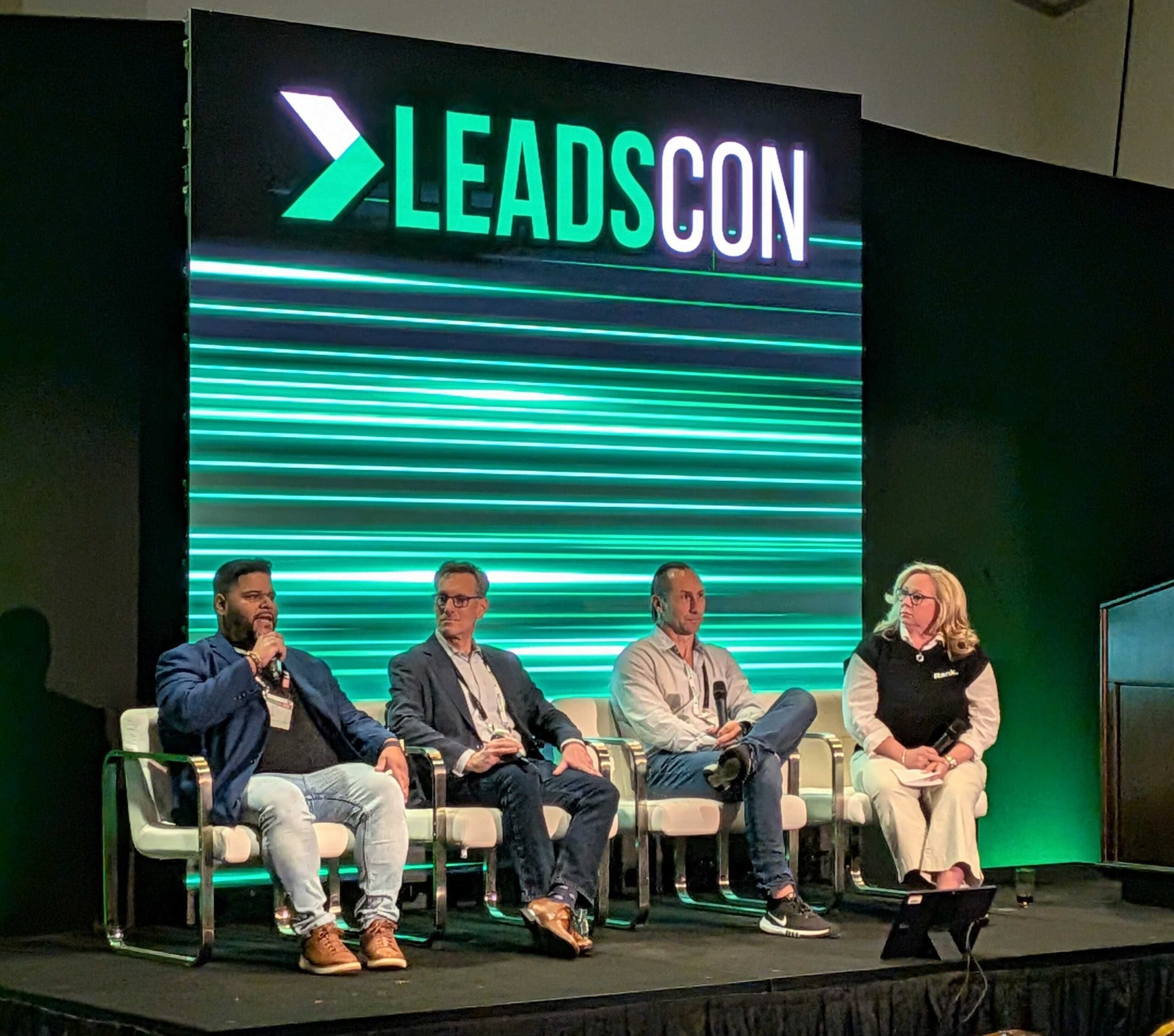
And here I was, expecting a deep dive into programmatic minutiae at Leadscon. Instead, I got a brutal, yet necessary, dose of reality served up by the lead generation crowd. They’re obsessed with calls and conversions, we’re obsessed with impressions and yield. Different worlds, right? Wrong. They’re both staring at the same dumpster fire, just from different fire escapes.
Both sides have spent years optimizing for signals that don’t actually matter. For ad ops, that’s usually a nice, low cost per acquisition. Sounds great. But does it tell finance if that customer will ever spend another dime? Nope. That’s the question they actually care about: lifetime value. My biggest takeaway? Nothing, absolutely nothing, saves you from bad strategy. Especially not fancy measurement tools if you’re still chasing volume.
Is This Just Another Corporate Buzzword Fiesta?
No. This is about dollars. Real, lost dollars. Take eHealth, the online insurance marketplace. They were churning out calls, closing enrollments, and moving on. Sounded slick. Cost them nearly $100 million a year. Ouch. Why? Because they treated every conversion as the finish line. A single transaction. Forgotten.
Then they changed. They stopped optimizing for one-off deals. They started connecting interactions. A primary advisor stuck with the customer. Policies linked to a single profile. Success metrics expanded. Renewals. Add-ons. Retention. Suddenly, enrollment wasn’t the goal. Lifetime value was. And poof! Losses turned into nearly $95 million in adjusted EBITDA. It’s not rocket science. It’s just realizing not all conversions are created equal. Low CPA often means low-quality users. High-value users stick around, spend more, and come back. Simple. Profitable.
“If you’re not measuring what happens after that first transaction, you’re missing the majority of the story.”
Gregg Johnson, CEO of Invoca, laid it out even plainer: “If you can’t connect calls and clicks to long-term value, you’re just optimizing for volume.” Exactly. And that’s the million-dollar question, isn’t it? How do you actually do that?
Why Does Better Targeting Feel So Elusive?
This is where the creative folks and the ad tech nerds usually diverge. But here’s a path forward: video and creator-led campaigns. Not just for awareness, but for driving decisions. When a creator’s message hits a user at the right moment – like when they’re actively looking to buy a house or manage debt – that’s when ads work. That’s when people are primed. Good timing changes perception. It speeds up the funnel.
Don Batsford from Google highlighted YouTube’s ABCD framework: Attention, Branding, Connection, Direction. It’s a way to make creative measurable. Attention? Do they even look? Branding? Is it recognizable? Connection? Does the message match the moment? Direction? Is there a clear call to action? This isn’t guesswork anymore. It’s a data-driven process. Greg Powel of Money Group said it best: “We think about creative as something you can systematically improve. If you’re not testing and learning from it, you’re leaving performance on the table.”
It’s about shifting from fragmented touch points to owned relationships. Whether you’re in lead gen or ad ops, the core problem is the same: optimize for sustained value, not just the next click.
🧬 Related Insights
- Read more: Page Authority: The Link Magnet Propelling Pages into AI Search Orbit
- Read more: PACT Framework Crushes ‘It Depends’ in PPC [5 Key Insights]
Frequently Asked Questions
What does LTV mean in advertising?
LTV, or Lifetime Value, refers to the total revenue a business can reasonably expect from a single customer account throughout the entire relationship.
How can ad ops improve LTV optimization?
Ad ops can improve LTV optimization by focusing on channels and campaigns that attract high-value customers, analyzing post-conversion behavior, and adjusting targeting and bidding strategies to prioritize customer retention and repeat purchases over initial cost efficiency.
Is focusing on LTV new for lead generation?
While the term LTV is more commonly associated with established customer relationships, lead generation conferences are increasingly emphasizing its importance, signaling a shift in strategy from acquiring any lead to acquiring the right lead that will prove valuable over time.