Farmhouse Crowding.
It’s a concept that usually conjures images of college dorms or starter apartments, not retirement bliss. Yet, for some, the dream of a peaceful, solitary retirement is being re-written as a more communal, chaotic, and, ultimately, fulfilling experience. Take the case of a couple who purchased a farm in Banks, Oregon, back in 2017 with a vision of a quiet, multi-generational future. Their reality, however, unfolded with more hands (and feet) under one roof than initially planned, leading to a profound reevaluation of what retirement can — and perhaps should — be.
The initial plan was straightforward: buy a sprawling farm, retire there, and have family eventually join. Plenty of room, they thought. Acreage, a four-bedroom farmhouse, a barn — ideal for a multi-generational setup. Their daughter, Maria, and her husband, Stephen, were the first to arrive, taking up residence in the farmhouse while the parents remained in Montana for a spouse’s job. The expectation was that the daughter would manage the farm’s operations, a logical division of labor.
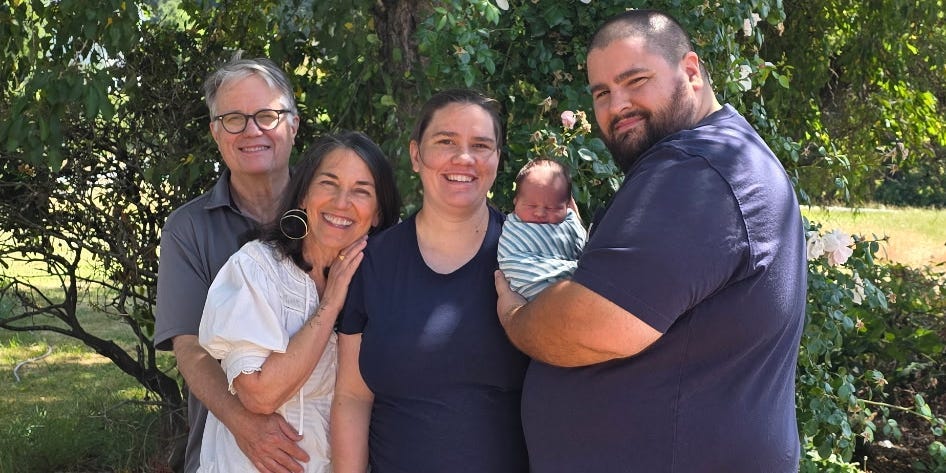
But retirement, as it often does, arrived on its own schedule, later than anticipated. And with it came a shift from the envisioned quietude to an entirely unexpected communal living arrangement. The planned second small home? Astronomical construction bids put that on indefinite hold. So, four adults and a baby found themselves sharing the primary farmhouse. Not the quiet country retirement they might have initially sketched out, but a full-blown, multi-generational immersion.
Is This Crowding Actually Wonderful?
Surprisingly, yes. For this family, the unplanned proximity became a source of unexpected delight. The arrival of an 8-month-old grandchild injected a vibrant energy that had been missing. Cuddles, lullabies, and shared parenting moments replaced the quiet hum of an empty nest. The author describes early mornings with the baby, tending to horses, and simply enjoying the presence of the little one — a stark contrast to the solitude that can often characterize the early stages of retirement. It’s a powerful reminder that human connection, especially across generations, offers a potent antidote to the potential isolation of later life.
Of course, it wasn’t all harmonious. The inevitable friction points of shared living emerged: the need for personal space, the German Shepherds’ prolific shedding, the occasional sink full of dishes. These are the universal challenges of cohabitation, magnified by the intensity of multiple adult personalities under one roof. The author admits to having to abandon her inner control freak, a sentiment many readers might find relatable. But the key here is the perspective shift: stepping outside, gazing at the stars, and remembering why they bought the property in the first place — to be closer to loved ones and to nature. The inconveniences, when weighed against the profound benefits of shared family life, became decidedly trivial.
A Childhood Echo on the Farm
The author’s experience isn’t entirely novel; it echoes a past rooted in communal living. Partially raised on a family ranch, she remembers a childhood where grandparents, parents, aunts, uncles, and cousins all coexisted, albeit in separate trailers. Those formative years, filled with horseback riding, river swims, and fort-building in hay bales, instilled a deep appreciation for the freedom and connection that multi-generational rural living can offer. This background provides a crucial lens through which to understand her current embrace of the crowded farmhouse. It’s not just a new arrangement; it’s a return to a deeply ingrained familial and environmental ideal.
This personal narrative serves as a compelling counterpoint to the often-marketed ideal of a solitary, golf-cart-and-martini retirement. While the market might push polished images of independent seniors enjoying their hard-earned peace, the reality for many, and indeed for the author, is that fulfillment lies not in isolation but in connection. The farm, once envisioned as a tranquil retreat, has become a vibrant hub of intergenerational activity. And with other family members expressing interest in joining the farm life, the picture of retirement is clearly still evolving, proving that for some, the best is yet to be.
This isn’t just a lifestyle choice; it’s a data point for a changing demographic. As housing costs rise and younger generations delay homeownership, multigenerational living is becoming less of an anomaly and more of a practical necessity. What this couple has experienced is a microcosm of a larger societal trend, one where the definition of a successful retirement is being actively redefined by the enduring power of family ties and the unexpected joys of a little more company.
It’s the kind of profound familial integration that marketers of senior living communities might overlook — the messy, loud, hair-covered, but ultimately deeply rewarding embrace of living together. This story is a quiet proof to that reality, demonstrating that sometimes, the best retirement plan is no plan at all, but rather an open door and a willingness to share the space, the chores, and the grandchildren.
Why Does This Matter for AdTech?
While this is a deeply personal story, its underlying themes have implications for the advertising technology world. The shift towards multigenerational living, driven by economic pressures and a desire for community, means evolving consumer needs and household structures. Advertisers and platforms need to recognize that the “household” isn’t a monolithic entity. The decision-maker for a family might be older, but the influencer could be a younger adult or even the shared needs of multiple generations. This requires more nuanced audience segmentation and potentially new approaches to messaging that resonate with a broader, intergenerational audience. Understanding these micro-trends in family dynamics can offer a competitive edge in an increasingly fragmented market.
What’s Next for This Multigenerational Farm?
The story suggests an openness to further expansion. The author mentions their son, daughter-in-law, and grandson in Southern California might join if they desire farm life. This indicates a commitment to the multigenerational model as a long-term vision, not just a temporary solution. The farm has become more than a retirement property; it’s a potential dynasty, a place where family roots can deepen and new branches can grow. It’s a powerful narrative of intentional living, where the land and the family intertwine to create a unique and enduring legacy.
**
🧬 Related Insights
- Read more: IAB Tech Lab: Bidstream Signals Get Real-Time Boost [AI Platform Shift]
- Read more: AI Performance Measurement: 5 Layers Beyond Visibility
Frequently Asked Questions**
What are the benefits of multigenerational living on a farm? Multigenerational farm living can offer shared responsibilities, stronger family bonds, intergenerational learning, and a vibrant community atmosphere, as seen in this personal account.
Did the author have to give up privacy? Yes, the author notes that space could feel crowded and privacy was sometimes compromised, but she learned to adapt by seeking quiet in her bedroom or stepping outside.
Is multigenerational living a growing trend? Yes, driven by factors like housing affordability and a desire for community, multigenerational living is increasingly becoming a practical and preferred arrangement for many families.