The scent of antiseptic couldn’t quite mask the profound emptiness that settled in the house.
When a parent is lost, particularly to a swift, brutal illness like cancer, the financial aftermath can be as disorienting as the emotional one. For one family, the payout from a life insurance policy – intended perhaps for a future they’d now never share – became the unexpected catalyst for a journey of collective healing. It’s a story that challenges conventional notions of grief and remembrance, proving that sometimes, the most unconventional paths lead to the deepest solace.
Beyond the Chalet: A Shift in Travel Philosophy
For years, this family’s vacations were etched in the rugged beauty of South Africa’s wildlife reserves. Think self-catered chalets, dusty 4x4s, and the raw, untamed embrace of nature. This was Dad’s world, a life dedicated to conservation, and these trips were deeply ingrained family rituals. The idea of a cruise, with its perceived commercialism and regimented structure, was frankly, anathema. They weren’t “cruise people” by any stretch of the imagination.
But death, as it often does, recalibrates priorities. At 56, the father’s life was cut tragically short by prostate cancer. The age, so young, hammered home a stark reality: time together is finite. His life insurance payout, instead of being a fund for a future that would never arrive, was re-envisioned by the widowed mother. The goal: an experience, not a possession, something that could forge new bonds amidst the profound loss. A cruise, initially an unpalatable option, emerged from the pragmatic calculus of affordability and ease. Planning a complex international trip while drowning in grief seemed Herculean. A cruise, with its all-inclusive nature, offered a respite from the very decision fatigue that can plague the bereaved.
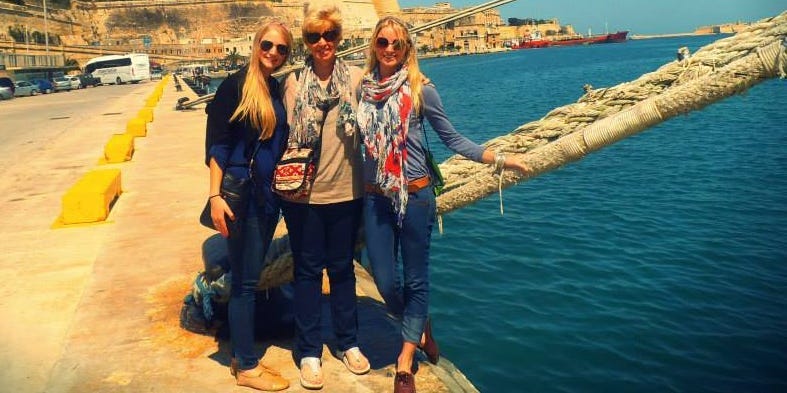
With part of his life insurance payout, my mom decided to take my sister and me on a vacation.
The Unplanned Sanctuary: Mediterranean Cities and Mental Load Reduction
In 2014, the three women embarked on a seven-day Mediterranean cruise, a far cry from their usual wilderness adventures. Six cities, a whirlwind of new sights and sounds. But the true value wasn’t in the postcard-perfect destinations. It was in the profound liberation from the usual travel stresses.
Forget the frantic passport checks, the endless debates over dinner reservations, the logistical nightmares of inter-city transport. The cruise package absorbed it all. This frictionless environment, usually an annoyance for seasoned travelers seeking authentic immersion, became a balm for their grieving hearts. The mental bandwidth normally consumed by itinerary management was instead freed up, allowing for something far more precious: genuine connection. They could simply be with each other, navigating their individual sorrows without the added burden of orchestrating every minute detail.
And yes, they leaned into the cruise experience with a surprising earnestness. Evening shows, deckside aerobics, people-watching – they even found a shared joy in introducing Mom to strawberry daiquiris (virgin, of course, for economic prudence). These weren’t the moments they’d have anticipated as their path to healing, but looking back, these shared, simple pleasures were the bedrock of their rediscovered togetherness. It was a space where grief could exist alongside joy, a delicate balance that felt both profound and earned.
Reframing Memory, Redefining Connection
The cruise didn’t magically transform them into lifelong cruisers. The allure of their old self-catered chalets, steeped in memories of their father, remains strong. Now, however, those memories are interwoven with a new understanding. The strawberry daiquiris are homemade, the adventures perhaps a little more DIY, but the spirit of connection, rekindled on the open sea, endures. Who would have predicted that a commercial vessel, once dismissed, could offer such a profound sanctuary? It’s a powerful reminder that healing rarely follows a straight line, and sometimes, the most unlikely journeys offer the most fertile ground for recovery and remembrance.
🧬 Related Insights
- Read more: AI Radio Stations: Claude Quits, Grok Mutes
- Read more: VIOOH Deepens Brazilian Reach Via We OOH Partnership
Frequently Asked Questions
What is the primary benefit of a grief cruise? The primary benefit is the reduction of logistical stress during a difficult time, allowing mourners to focus on emotional connection and shared experiences.
Can a cruise be a good way to grieve? Yes, for some individuals and families, the structured, all-inclusive nature of a cruise can provide a supportive environment for processing grief and reconnecting with loved ones without the burden of planning.
How did the life insurance money impact the trip? In this specific case, the life insurance payout provided the financial means for a vacation that the family might not have otherwise considered or been able to afford, enabling a significant healing experience.