State Health Insurance Exchanges Caught Red-Handed With Ad Tracking
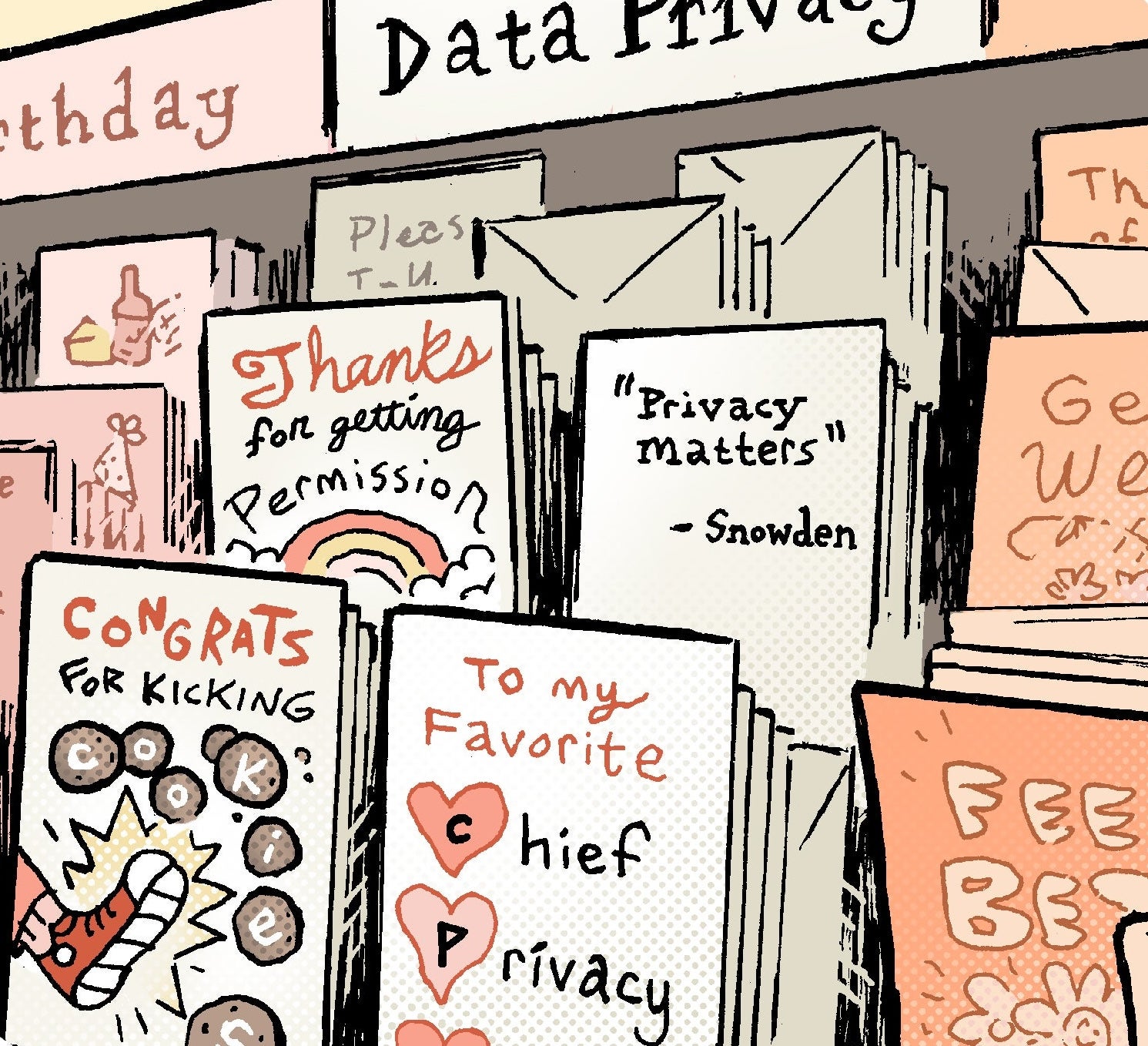
Nineteen of America’s 20 state-run health insurance exchanges are deploying ad trackers, pulling in data from platforms like Meta, TikTok, LinkedIn, Snap, and Google. This isn’t just about measuring ad spend; the implications for user privacy are stark. Bloomberg’s reporting revealed instances where this tracking shared sensitive applicant data—ZIP codes in Virginia, race and ethnicity markers in Washington (which TikTok apparently tried and failed to block), and even information about incarcerated family members in New York. The sole exception? California, which, after a similar investigation last year, wisely opted out.
State exchange officials are predictably defending these pixels, framing them as essential tools for measuring marketing effectiveness and reaching potential users across the web. It’s a familiar tune in the digital ad world, the same logic that underpins countless online marketing efforts. Yet, the critical flaw here, as Bloomberg highlighted, is that many of these entities don’t fully grasp the intricacies of how these tracking tools operate or how the data might be exploited within the broader ad ecosystem. It’s less about malicious intent and more about a profound lack of due diligence on technology that’s become ubiquitous. Some states, thankfully, have already yanked these pixels following the inquiry. Whether this vigilance lasts when the journalistic spotlight dims remains to be seen.
The Data-Scraping Wild West: AI’s New Business Model
Beyond the ad tracking revelations, another seismic shift is reshaping the digital landscape: the rise of the “scraper economy.” While the creator economy has dominated headlines, AI data brokers are quietly building a potential $1 billion industry by systematically scraping information from publisher sites. Matthew Scott Goldstein, a media analyst, forecasts this burgeoning market. These services, sometimes branded as “agentic infrastructure,” include companies like Parallel Web Systems, Perplexity Sonar, Brave, and Firecrawl. It’s a grim reality: major LLMs have already unapologetically scraped vast swathes of the open web, including content behind paywalls.
The situation for publishers is increasingly desperate. Like athletes in a doping scandal, the only way to remain competitive is to participate in the very transgressions that are undermining the ecosystem. This relentless scraping makes programmatic vendors, often maligned, look almost benign by comparison. Publishers have historically tolerated programmatic middlemen, provided they add demonstrable value. But when intermediaries extract 100% of content, pay 0%, and then use that material to build competing products that effectively erase the publisher, the model breaks down completely. Chris Dicker, CEO of Candr Media, succinctly puts it: “With scrapers, they’re taking 100% of the content, paying 0% and then in some cases using that content to create competing products that remove the publisher entirely.” Suddenly, “resellers” don’t seem like the primary villains anymore.
TikTok Welcomes Alcohol Brands: A New Frontier for Spirits
Meanwhile, on a different digital battlefield, TikTok is officially rolling out the red carpet for alcohol brands. Building on age-gating features introduced last year and new advertising rules, the platform has seen an “explosion” in campaigns featuring celebrities and influencers. This strategic move makes sense; TikTok boasts a colossal 80% of US adults over 21 as active users.
Their collaboration with the Distilled Spirits Council of the United States began in 2024, establishing protocols for responsible liquor advertising. Since July 2024, TikTok has allowed alcohol brands to create branded accounts and target ads to users aged 25 and older. There are, of course