Has the age-old advertiser’s nightmare – the creative bottleneck – finally met its match?
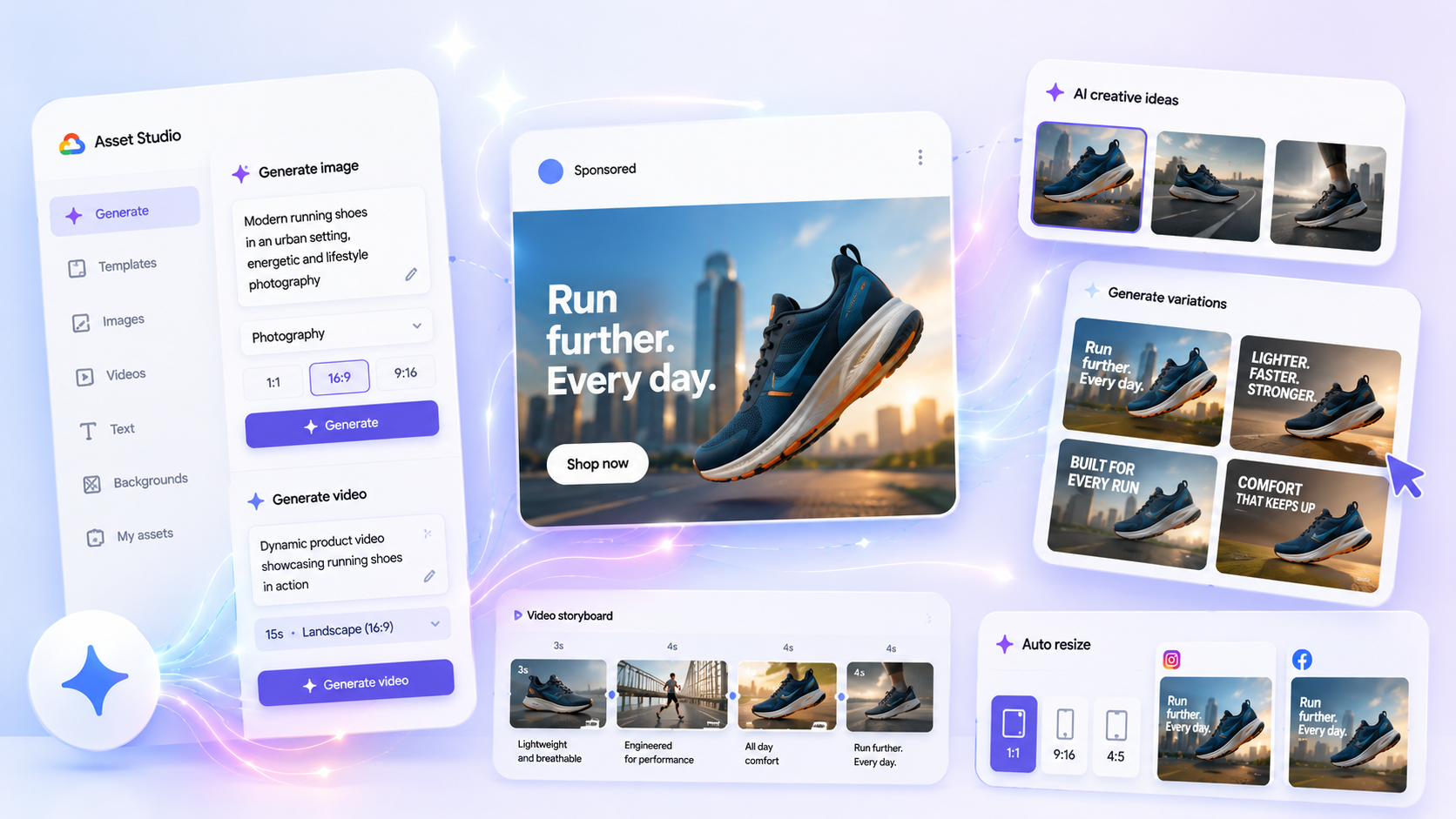
Google just announced a massive overhaul of its Asset Studio, and if you’re in the ad tech world, you’d be wise to pay attention. They’re not just tweaking things; they’re fundamentally re-architecting how creatives are born, injecting Gemini’s multimodal magic into the very heart of campaign production. This isn’t some incremental improvement; it feels like stepping onto a new platform, a whole new operating system for how brands bring their ideas to life.
Think about it. For years, marketers have wrestled with the sheer drag of churning out enough compelling creative assets for every platform, every audience, every micro-campaign. It’s the unseen friction that grinds campaigns to a halt, the reason why brilliant ideas sometimes wither on the vine. Now, Google is slapping a rocket booster onto that process.
Unleashing Gemini’s Creative Might
The headline here is Gemini-powered asset generation. This isn’t your grandpa’s image generator. Google’s system is reportedly capable of ingesting not just simple text prompts, but entire marketing briefs, brand guidelines, website content, and campaign objectives. It understands what you’re trying to achieve. Then, poof! It spits out creative concepts across multiple themes and formats. We’re talking text, images, and crucially, video, all from a single, intelligent system. It’s like having a legion of junior creatives who can grasp complex instructions in seconds and then deliver variations faster than you can say ‘A/B test.’
And the video part? Gemini Omni is being woven directly into Asset Studio. This is where things get truly wild. Multimodal video creation within the same interface that handles your other assets? That’s huge. It suggests a future where dynamic video, tailored on the fly, becomes as commonplace as a static banner ad today. Imagine a world where your video creative isn’t a months-long production cycle, but a rapid iteration based on real-time performance data. It’s a breathtaking prospect.
Advertisers will additionally gain access to 1-Click Creative Testing, which helps identify high-performing assets based on campaign objectives.
More Than Just Generation: Smarter Testing
But Google isn’t stopping at just conjuring up assets. They’re integrating what they call ‘1-Click Creative Testing.’ This is the crucial feedback loop. The system doesn’t just generate; it’s designed to help you identify what works. Pairing rapid generation with rapid testing? That’s the alchemy of efficient advertising. It moves us from the gut-feel era to a data-driven, AI-augmented reality where creativity is not just inspired, but validated at lightning speed.
The underlying mechanism is fascinating: Gemini models interpret the marketer’s intent – their brief, their brand DNA, their desired outcomes. Then, through natural language prompts, advertisers can sculpt and refine these AI-generated outputs. This centralization, this blurring of lines between strategy, creation, and testing, is the real story. It’s not just about making ads; it’s about making better ads, faster, and with less overhead.
My Big Leap of Faith: While Google is touting efficiency, the real paradigm shift is about democratizing high-quality creative production. Historically, top-tier creative work required significant investment in agencies and specialized talent. Gemini-powered tools, if they live up to the promise, could level the playing field, allowing smaller businesses and even individual creators to produce sophisticated, multi-format campaigns that were previously out of reach. This isn’t just about Google’s ecosystem; it’s about a fundamental change in who can participate effectively in the advertising landscape.
The Coming Creative Revolution
This is the future we’ve been talking about. Generative AI isn’t just a sidebar anymore; it’s becoming the engine room of campaign production. It’s not a standalone assistant tucked away in a corner; it’s integrated, essential, and woven into the fabric of campaign workflows. For brands trying to navigate the fragmented digital landscape, the ability to spin up tailored creatives at scale could mean the difference between a whisper and a roar.
Of course, there are questions. As creative generation becomes more automated, how will we truly measure the quality and distinctiveness of AI-generated assets compared to human-led efforts? Will brands need to overhaul their entire approval and governance structures to accommodate AI at this scale? These are the fascinating, albeit complex, challenges that lie ahead. It’s the thrilling, slightly terrifying frontier of AI-driven creativity.
And for us on the AdTech Beat, this is where the real story unfolds. Google’s move isn’t just a product update; it’s a signal flare. It tells us that the fundamental platform shift driven by AI is happening, and it’s happening now, right in the trenches of ad creation. The race is on to see who can best harness this power, and the winners will be those who can adapt their strategies and workflows to this brave new world of instant, intelligent creative generation. The summer rollout in English sounds like the opening act to something truly spectacular.
🧬 Related Insights
- Read more: PubMatic’s AI Beyond Direct Deals: A Skeptic’s View
- Read more: Google AI Announcements vs. Search Trends: What Matters?
Frequently Asked Questions
What does Google Asset Studio do with Gemini? Google’s Asset Studio now uses Gemini AI to help advertisers generate text, image, and video creative assets based on marketing briefs and brand guidelines. It also integrates video creation and creative testing tools.
Will this AI replace creative jobs? While AI can automate many creative tasks, it’s more likely to augment human roles, shifting focus towards strategy, prompt engineering, and the oversight of AI-generated content, rather than outright replacement.
When will these new Gemini features be available? Google expects the new Asset Studio features powered by Gemini to begin rolling out globally in English this summer.