Everyone expected ad tech AI to be this shiny new thing, a magic bullet for efficiency and revenue. We’ve been hearing about it for years, right? And for a while, it seemed like this AI revolution was mostly confined to the whispered-about, high-margin world of direct publisher deals. But PubMatic, bless its cotton socks, is here to tell us that’s all changing. They’re pushing their AgenticOS platform into the wider programmatic fray, claiming fully autonomous, end-to-end campaigns that go way beyond those initial private marketplace setups.
For years, the narrative around sophisticated AI in ad tech has been a bit like a unicorn sighting: lots of talk, few verifiable sightings outside of the walled gardens. Publishers and SSPs have been eyeing those walled garden efficiencies with envy, wondering if they could ever replicate that magic for themselves. PubMatic’s CEO, Rajeev Goel, is now saying they’ve cracked it, with over 30 of these autonomous campaigns already out in the wild, on top of a thousand-plus direct publisher deals.
And the numbers? Oh, they’re always impressive in these earnings calls. PubMatic is shouting about an 80% year-over-year growth in its ‘emerging revenue category’ thanks to these AI deals, now accounting for a tidy 14% of their total revenue. Overall, they’re chalking up 13% YOY growth, hitting $62.6 million. Mobile app revenue is up 25%, CTV is chugging along at 18%.
The “Agentic Advantage”: Does it Hold Up?
Goel’s been on a bit of a victory lap, touting how buyers are seeing 30-40% CPM improvements and snagging 40% more inventory. His line about it looking like what the walled gardens use? Yeah, that’s the golden ticket they’re all chasing. The idea is a single layer of tech, cutting out the intermediaries that suck up fees. They’ve also been busy expanding their direct-to-buyer connections (Activate) and their data platform (Connect), roping in big names like Walmart and PayPal. Their mobile business, which is now integrated with the big three mediation platforms and accesses over 90% of global mobile SDK inventory, is also apparently a revenue juggernaut. Even their Creative Innovation Suite, using AI to generate consistent ads across screens, has apparently been adopted by some agencies.
But here’s the rub. Even with all this supposed progress, one investor dared to ask the obvious question during the call: even with all these agentic campaigns, does it still represent an “immaterial percentage” of PubMatic’s overall business? The CFO, bless him, tried to smooth it over by saying AI is helping in other areas too, like faster campaign setup for publishers, expecting that to fuel double-digit growth. It’s a common tactic, isn’t it? When the headline numbers aren’t quite there, pivot to the “halo effect” on other parts of the business.
Why Are DSPs Still a Headache?
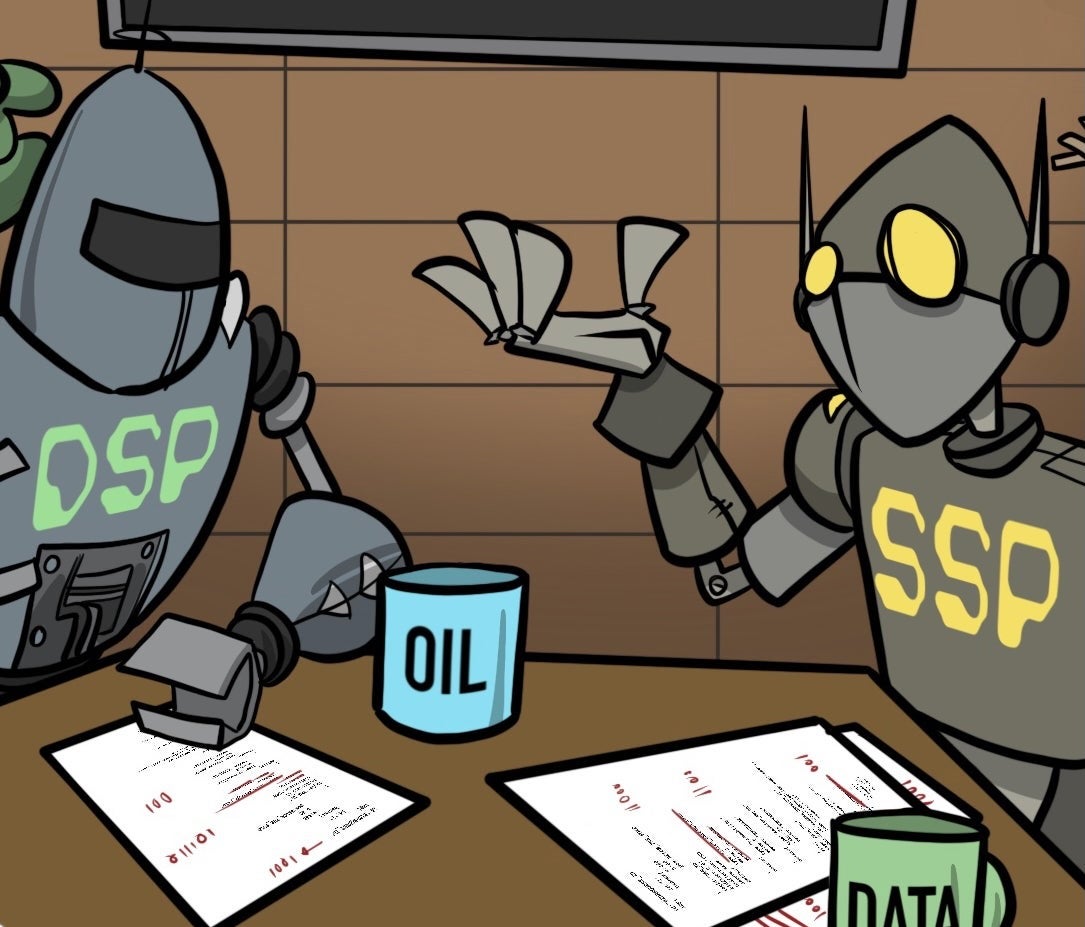
PubMatic’s AI ambitions aside, they’re still wrestling with a classic ad tech headache: the dance between SSPs and DSPs. Apparently, a “major unnamed DSP” – and let’s be honest, we all know who that is – is spending less on PubMatic’s platform. Why? Because this DSP, likely The Trade Desk, is pushing its own direct-to-publisher solution, OpenPath, which, you guessed it, cuts out the SSP. This little spat is dragging down PubMatic’s US revenue, which saw a 12% decline. While international markets are looking brighter (APAC up 25%, EMEA up 10%), that US dip is projected to continue into Q2, with the company forecasting a 2-4% revenue decrease next quarter. Pantelick, the CFO, did try to put a brave face on it, saying the DSP’s revenue was actually better than expected in Q1 due to PubMatic’s efforts to “optimize our platform to meet the needs of this buyer.” He anticipates they’ll have fully lapped the impact by Q3. To offset these losses, they’ve added 50+ other DSPs and grown integrations with mid-market DSPs by 20%. They even managed to strike a deal with Amazon DSP, which has apparently boosted publisher CPMs by up to 10%.
So, PubMatic is pushing agentic AI as the future, a way to escape the commoditized programmatic soup. They’re building out their direct relationships, their data capabilities, and yes, their AI tools. It sounds good on paper. It’s a much more integrated, efficient future they’re painting. And from a technical standpoint, the idea of a single layer of technology driving performance, mirroring what the walled gardens do, is compelling. But the nagging doubt persists: can this agentic AI, or any AI for that matter, truly shake the fundamental economics of programmatic advertising? Can it truly overcome the inherent conflicts of interest and the relentless drive for margin compression that defines this industry? Or is it just a more sophisticated way of saying the same old thing, with a fancier buzzword attached?
The real question, and the one they’re conveniently glossing over, is whether this is actually creating new value or just reallocating existing value in a slightly more efficient, AI-powered way. The fact that an investor called out the “immaterial percentage” of the business that these agentic campaigns represent is telling. PubMatic is banking on these emerging technologies to drive future growth, but the headwinds from established players and the inherent complexities of the ad tech ecosystem aren’t disappearing anytime soon. It’s a tough market out there, and buzzwords, even AI-powered ones, don’t pay the bills. Not yet, anyway.
“It’s a single layer of technology, and it looks a lot like what the walled gardens use to drive ad performance.”
They’re also looking to replace two key executives, the CRO of the Americas and the Chief Growth Officer. Goel’s comments suggest they might be looking at consolidating some roles. So, change is definitely afoot, but whether it’s for the better, or just another shuffle of the deck chairs, remains to be seen.
🧬 Related Insights
- Read more: Home Depot’s Data Fuels Reddit & Pinterest Ads
- Read more: First-Party Data Strategy: Building an Advertising Moat Without Cookies
Frequently Asked Questions
What does PubMatic’s AgenticOS do? PubMatic’s AgenticOS is a platform that uses AI to automate and manage advertising campaigns. It aims to make campaigns more efficient for both buyers and publishers by reducing intermediaries and fees.
Will PubMatic’s AI replace ad buyers? While AI like AgenticOS automates campaign management and optimization, it’s unlikely to fully replace human ad buyers in the near future. Human oversight, strategic planning, and creative direction are still crucial elements.
Is PubMatic’s agentic AI business truly growing, or is it just hype? PubMatic reports significant growth in its emerging revenue category driven by AI deals, but it still represents a small portion of their overall business. Investors remain somewhat skeptical about its long-term revenue impact, and the company faces headwinds from larger DSP competition.