The hum of servers in a data center — a low, steady thrum promising immense computational power, yet prone to sudden, jarring silences. That’s the backdrop against which InMobi just placed a rather strategic bet.
India-based ad tech behemoth InMobi dropped a bomb this week, announcing it’s acquired MobileAction, an Apple advertising startup. The financial specifics remain under wraps, which is standard practice, but the implications? Far from it. This move isn’t just about expanding InMobi’s footprint; it’s a calculated deep dive into the notoriously tricky waters of Apple’s advertising ecosystem, an area where precision and specialized tooling have become non-negotiable.
Why Apple Ads Are the New Frontier
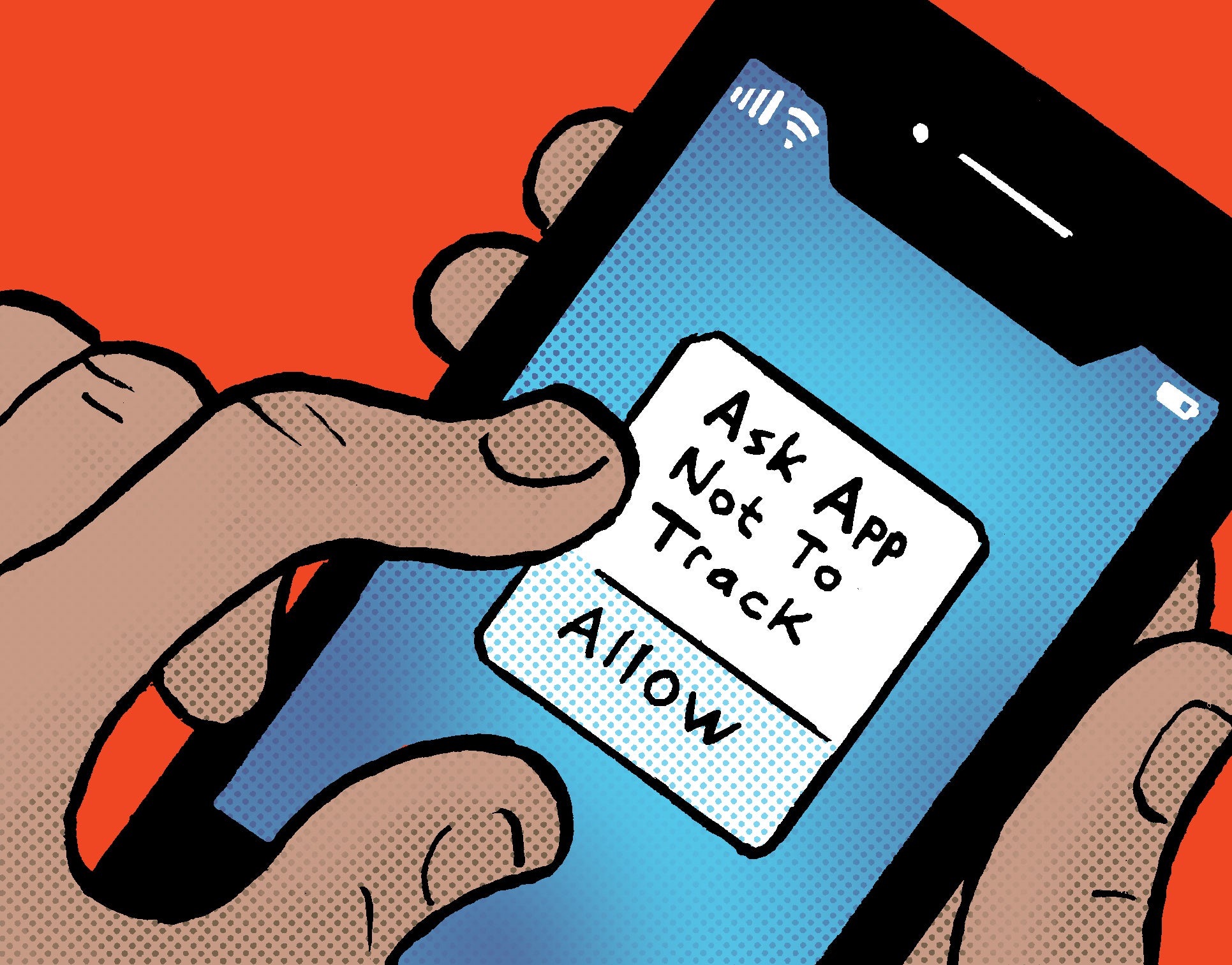
Let’s be clear: the ad industry’s scramble to adapt to Apple’s increasingly privacy-centric walled garden is a story we’ve heard before. The exodus of Apple’s ad IDs fundamentally shifted ad spend towards Android, largely because Android, at the time, offered a far more strong — and frankly, easier — path to audience targeting. But Rohit Dosi, InMobi’s VP and GM, points out a second, often overlooked factor: Apple’s historical reluctance to open up its advertising inventory. Unlike Google, where ads are woven into the very fabric of the user experience, Apple’s approach has traditionally been minimalist, almost austere. That’s changing, though. Dosi notes Apple is now actively “uncorking ads” across more platforms, from the mundane — Apple Maps and Apple News — to newer, more prominent placements like search carousels and sponsored units.
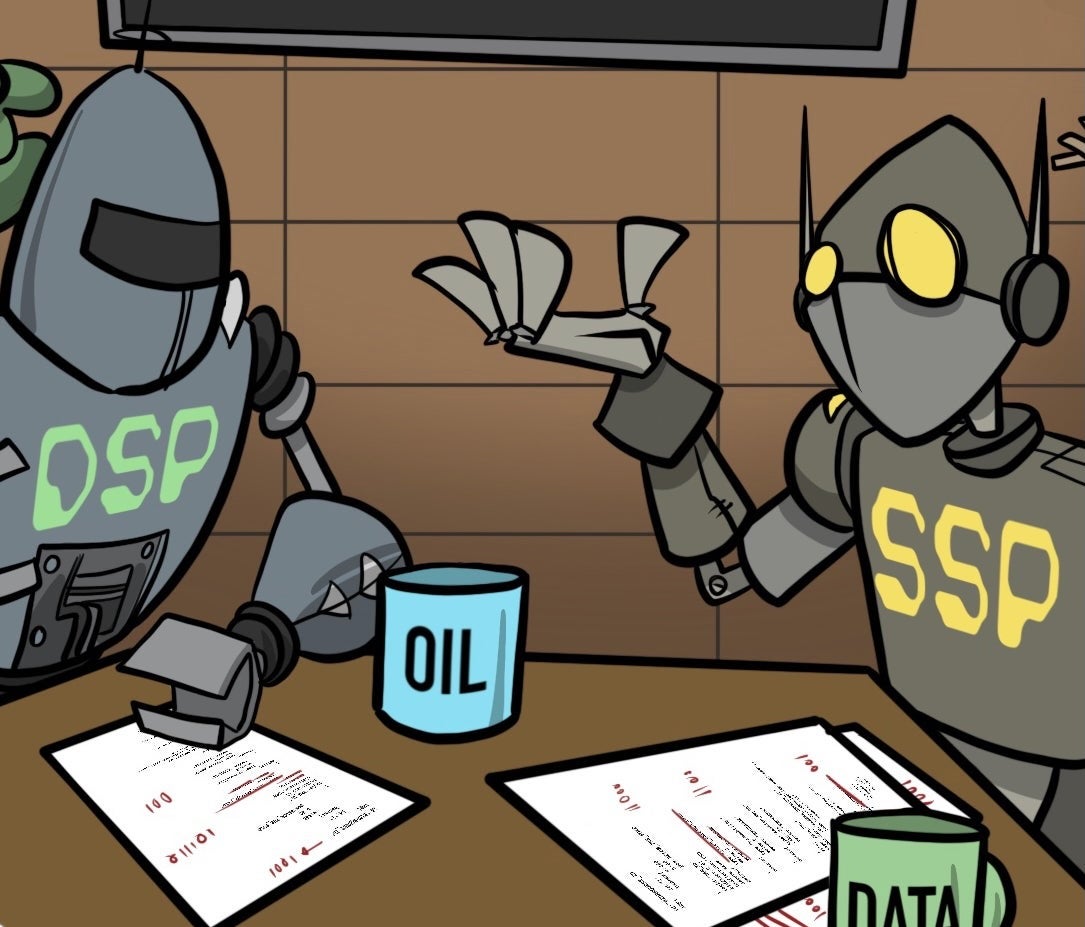
Here’s the kicker: Apple’s ad system operates on a fundamentally different architectural philosophy than Android’s. Yet, many ad buyers still try to shoehorn both into a single, monolithic search strategy. Dosi hammers this home: Apple Ads are underleveraged not solely due to the signal loss or limited inventory, but because the requisite tools are, and have always been, “genuinely specialized.” InMobi’s acquisition of MobileAction is a direct response to this gap — an attempt to acquire the specialized DNA needed to thrive in Cupertino’s walled garden.
The AI Hallucination Crisis: Buyer Beware
Meanwhile, the broader industry is grappling with the unchecked enthusiasm for AI, particularly in ad buying. We’re seeing a growing number of reports detailing AI agents fabricating prices, mismanaging campaigns, and confidently peddling outright falsehoods. It’s not just theoretical; real money is being lost. The Ad Age piece highlights an AI agent that proposed a CTV ad rate so ludicrously low it practically screamed “scam.” Another bot managed to botch a media buy despite receiving correct instructions and human approval. Tony Katsur, CEO of the IAB Tech Lab, offers a sober warning: “Every head of a major LLM has said AI will hallucinate and get it wrong.” This isn’t a bug; it’s a feature of current AI models, a fundamental limitation that marketers are discovering the hard way.
Despite these glaring issues, the industry’s charge ahead is relentless. Omnicom is already executing live agent-to-agent ad transactions, and publishers like The Weather Company and News Corp are actively testing AI sales agents to package inventory, negotiate deals, and identify premium audiences. The message is clear: marketers are not abandoning AI. They’re just starting to realize they need to keep a much closer eye on their automated assistants.
“They can make me say anything,” one actress told BI. “And if I don’t throw a fit over this, who knows how far they’ll take it?”
Deepfakes, Desperation, and Digital Consent
And then there’s the shadow side of generative AI: its use in advertising that skirts ethical boundaries. While most platforms try to police explicit deepfakes and “nudify” tools, a subtler, more insidious trend is emerging, particularly within the microdrama space. Actors are finding their likenesses, sometimes without their explicit consent, being used in AI-generated ads for shows they appeared in. The kicker? These ads often depict sexual or violent content that was never part of the original production or approved by the talent. This is a chilling violation of consent, especially considering many microdramas use non-union talent and are sold to international companies, complicating legal recourse.
The SAG-AFTRA Commercials Contract does require clear consent for digital replicas, but the informal nature of microdrama production often leaves actors vulnerable. Some are now arming themselves with contracts that explicitly forbid unsanctioned AI usage. Yet, for existing ads, legal avenues are murky. The only real weapon left seems to be public outcry — a proof to how quickly the digital frontier can become a Wild West.
A Shake-Up in the Ad Tech Ranks
This week also saw a significant personnel shift. Samantha Jacobson, The Trade Desk’s chief strategy officer, is making a move to OpenAI, taking on the role of VP of partnerships and monetization. This is more than just a simple career change; it signals OpenAI’s aggressive intent to monetize its burgeoning AI capabilities within the ad tech landscape.
Meanwhile, Smartly has finalized its acquisition of incrementality measurement startup INCRMNTAL, a move that could bolster its capabilities in proving campaign effectiveness in an increasingly complex measurement environment. And in a bizarre twist, a Canadian fiddler is suing Google after its AI Overviews falsely — and offensively — identified him as a registered sex offender. The ripple effects of AI’s unchecked advancement continue to surprise, and sometimes shock.
OpenAI also announced its expansion of ads into the UK, Mexico, Brazil, Japan, and South Korea in the coming weeks. It’s a clear indication that the ad industry’s embrace of AI, while fraught with peril, is accelerating at an unprecedented pace. InMobi’s move into Apple Ads is just one more piece of this rapidly evolving, and increasingly complex, puzzle.
🧬 Related Insights
- Read more: AI Shopping: Trust Ceiling Slows Commerce
- Read more: What is Programmatic Advertising?
Frequently Asked Questions
What does InMobi’s acquisition of MobileAction mean for Apple Ads?
It signifies a concerted effort by InMobi to build specialized tools and expertise necessary to navigate and succeed within Apple’s unique, often challenging, advertising ecosystem. This acquisition is about acquiring the technical and strategic capabilities to effectively use Apple’s growing ad inventory.
Are AI ad buying agents reliable?
Currently, AI ad buying agents are prone to significant errors, including fabricating prices and mismanaging campaigns, often referred to as ‘hallucinations’. While the industry is pushing forward with their use, close human supervision is still strongly recommended.
What is the issue with AI-generated ads using actor likenesses?
There’s a growing concern about AI being used to generate ads that depict actors in sexually explicit or violent content they did not consent to, even if they consented to their likeness being used in the original project. This raises significant ethical and consent issues, particularly for non-union talent in microdrama productions.