Forget what you think you know about pharma advertising. For real people, this means your doctor’s office waiting room is about to get a whole lot more… relevant. No more generic billboards or bewildering jargon. We’re talking about ads that finally speak to your journey, your condition, your specific needs. It’s a seismic shift, and it’s powered by a surprisingly human-centric approach, even as the machines hum louder in the background.
This isn’t just a tweak; it’s a fundamental reimagining of how pharmaceutical brands communicate. For years, they’ve been like a patient stuck on a long waitlist, bogged down by bureaucracy and regulations. But the digital world, with its ever-maturing programmatic capabilities and smarter creative tools, has finally opened the door. What we’re witnessing is the industry finally breaking free from siloed thinking, where data, creativity, and measurement operated like disconnected organs. Now, they’re learning to work in concert, a unified circulatory system pumping out more effective, more meaningful messages.
The Human Touch, Supercharged
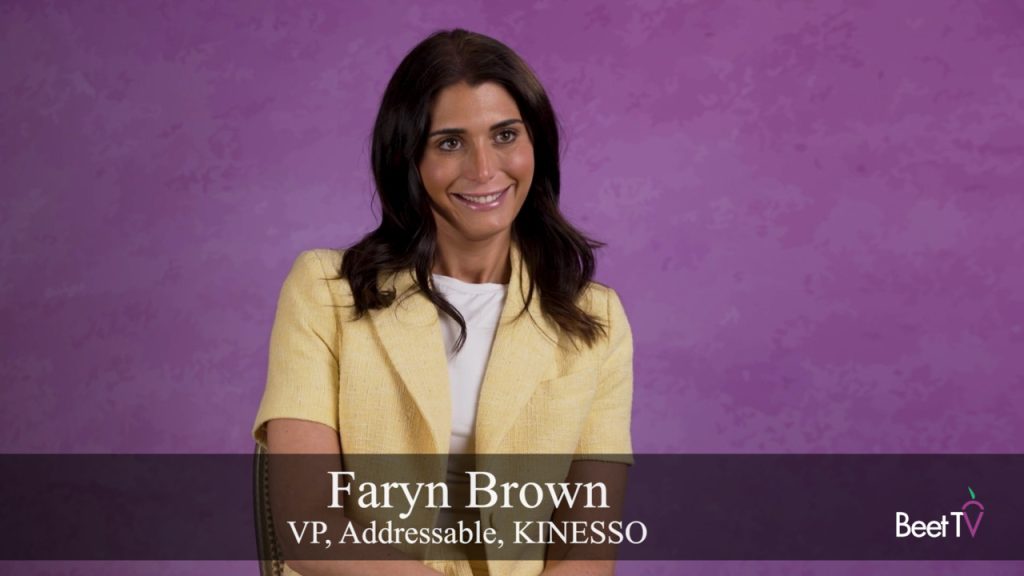
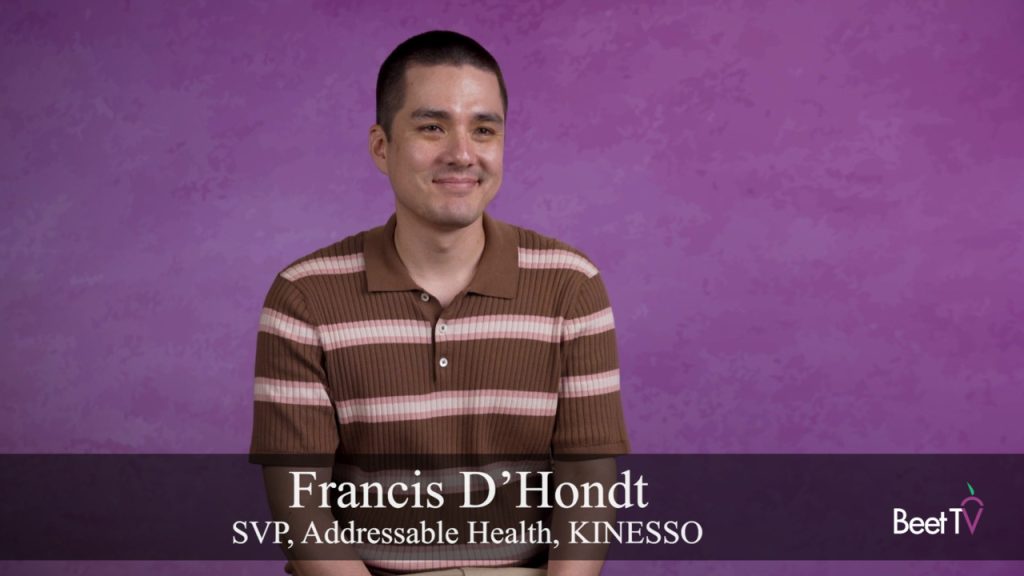
Francis D’Hondt from Kinesso nails it. He’s talking about a future where the entire media plan is woven together from the start, not patched together later. It’s about understanding the audience first, then building the creative around that understanding, and finally, measuring it all with surgical precision. This isn’t just about more clicks; it’s about forging genuine connections.
And here’s the crucial part for everyone watching: the industry is waking up to the fact that underserved communities have been, frankly, ignored. For too long, marketing has been a one-size-fits-all affair, failing to reflect the diverse experiences of patients dealing with specific conditions. D’Hondt calls it an ethical imperative and a performance opportunity, and he’s absolutely right. When you tailor your message, when your creative genuinely reflects the patient experience, you don’t just reach more people; you reach them more effectively. It’s like finally finding the right key for a stubborn lock.
Dynamic creative optimization is the engine here, allowing pharma brands to serve up ads that resonate at different points in a patient’s journey. From that first flicker of a symptom to the tough decisions about treatment switches, there’s a tailored message waiting. Having multiple creative versions, driven by smart decisioning, makes campaigns go so much further. It’s a level of personalization that was once science fiction.
AI: The Accelerator, Not the Autopilot
Now, let’s talk AI. The numbers are staggering: US programmatic ad spending is set to blast past $200 billion by 2026. But in pharma, where compliance can add months to a campaign launch, AI’s promise of speed is pure gold. Imagine speeding up those agonizing privacy approvals. D’Hondt points out how impactful that acceleration will be. However, and this is where the human element remains king, he stresses that this can’t happen without human oversight. The final stamp of approval, the ultimate compliance check—that’s still a human job. AI can draft the variations, vet the partners, but the ultimate accountability? That rests with people. It’s a delicate dance between automation’s brute force and human judgment’s nuanced wisdom. A misstep here isn’t just embarrassing; it can have serious consequences.
This is the central tension: AI can turbocharge the process, but human expertise remains the indispensable guardian, particularly in a field as sensitive as healthcare. The speed gained by AI needs to be tempered by the wisdom and ethical considerations that only human oversight can provide. It’s not about replacing people; it’s about augmenting their capabilities in a way that respects the inherent complexities and risks of the industry.
The New Frontiers: CTV and Audio
Connected TV (CTV) and audio are emerging as incredibly fertile grounds for innovation. Interactive units, pause ads—these aren’t just gimmicks; they’re new ways to genuinely engage patients. The industry’s march towards digital is relentless, with nearly 80% of pharma ad spend expected to be digital by 2026. That’s a massive leap from 64% in 2022. Think about it: you’re watching your favorite show, and an ad pops up that you can actually interact with. Or you’re listening to a podcast, and the audio ad offers a tangible next step. This is where patient engagement truly comes alive, moving beyond passive consumption to active participation.
Kinesso’s parent company, IPG, is consolidating its data and tech resources, integrating Acxiom’s data spine with its addressable media capabilities. D’Hondt underscores the importance of long-term measurement planning, something that will soon be kicking off for 2027. This forward-thinking approach ensures that as the channels evolve and AI capabilities expand, the fundamental goal of effective, ethical, and measurable patient communication remains at the forefront.
This isn’t just a technological arms race; it’s a race towards better patient outcomes, driven by smarter, more authentic communication. The pharmaceutical industry, once a cautious observer, is now stepping into the digital spotlight with a renewed focus on what truly matters: the individual patient. And for us, the consumers of these messages, that’s the best medicine of all.
What This Means for Real People
So, what does all this technobabble actually mean for you, sitting on your couch or scrolling through your phone? It means ads that are finally, finally, starting to get you. Imagine seeing an ad for a medication that directly addresses the symptoms you’ve been experiencing, presented in a way that feels culturally relevant and understanding. It means fewer generic, unhelpful messages and more personalized, actionable information. It’s about feeling seen and understood by the healthcare industry, not just treated as a statistic. This isn’t just about better advertising; it’s about empowering patients with the right information at the right time, in the right way.
🧬 Related Insights
- Read more: OpenAI Unleashes ChatGPT Ads: A New AI Platform Dawns
- Read more: Google’s AI Max Pushes Automation: Manual Ads on Borrowed Time?
Frequently Asked Questions
What does dynamic creative optimization do for me as a patient? Dynamic creative optimization allows ad systems to show you different versions of an ad based on your likely needs or stage in a healthcare journey, making the message more relevant to your specific situation.
Will AI replace the need for human review in pharma advertising? No, AI is expected to accelerate processes like ad creation and partner vetting, but human oversight and final approval will remain critical due to strict compliance requirements in the pharmaceutical industry.
Are older or underserved communities being better reached by this new approach? Yes, a key driver for this shift is a recognition that underserved communities have historically been poorly represented in marketing, and the new approach aims to create more authentic and targeted content for these groups.