AI is HERE.
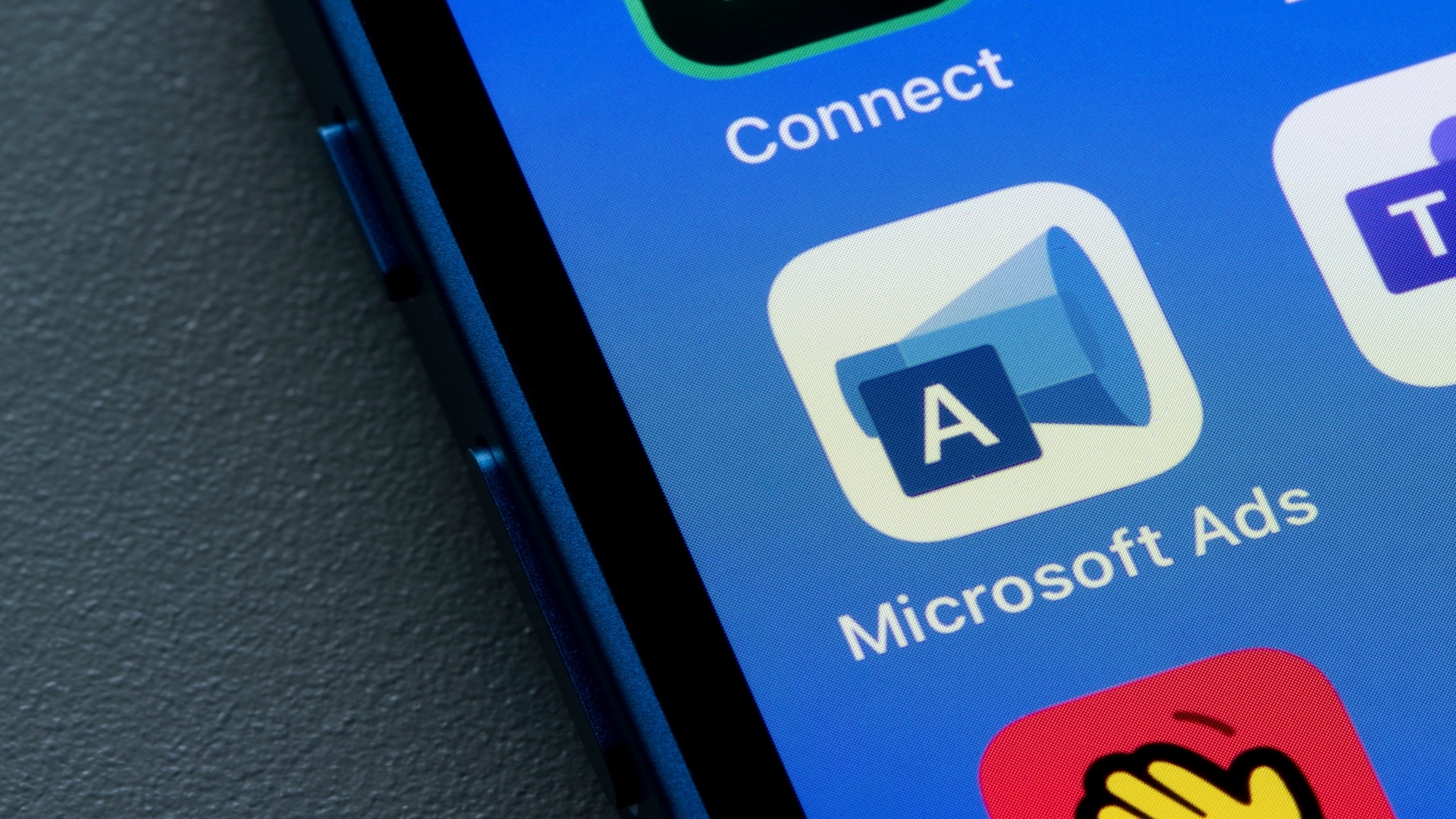
And it’s not just a tool; it’s a new planet. We’re talking fundamental platform shifts, like the internet itself or the advent of mobile. Microsoft’s latest move – integrating LinkedIn profile targeting into connected TV (CTV) campaigns — isn’t just an update; it’s a seismic tremor in the advertising world, signaling a new era where AI and deep audience understanding are no longer optional but the very bedrock of effective campaigns. This feels like we’re finally seeing the promise of AI-driven advertising start to crystallize, moving beyond abstract concepts to tangible, powerful applications.
The Professional Pulse on Your TV
For years, CTV has been the wild west for professional targeting. It’s been a brand awareness playground, a beautiful, expansive canvas where reaching the right eyeballs at the right professional level was more art than science. But now? Microsoft is essentially handing advertisers a highly sophisticated, AI-powered compass. They’re allowing marketers to laser-focus on viewers based on incredibly granular professional characteristics: industry, job function, company category, even those subtle, tell-tale professional identity signals. Navah Hopkins, Product Liaison at Microsoft, framed it perfectly, talking about building “really meaningful” audience lists that aren’t just chasing fleeting click-intent signals. This is about understanding who someone is professionally, not just what they clicked on last Tuesday. It’s like going from a broad brushstroke to a surgeon’s scalpel, and in the adtech world, that’s a game-changer of monumental proportions.
Collapsing Funnels, Expanding Reach
The bigger picture here is Microsoft’s relentless march toward what they’re calling an AI-powered, audience-first advertising experience. It’s a vision where the old, linear marketing funnels – awareness, consideration, conversion – are dissolving into a fluid, AI-guided journey. Hopkins repeatedly hammered home the convergence of brand and performance marketing, and CTV, with this new targeting capability, sits squarely at the heart of that revolution. Historically, CTV was the realm of big, splashy brand campaigns with fuzzy attribution. Now, with LinkedIn’s professional data layered on, it’s becoming a potent upper-funnel tool for performance-minded marketers who demand precision and accountability. This isn’t just about reaching more people; it’s about reaching the exact right people with the exact right message, at a scale previously unimaginable.
This move is more than just a feature expansion; it’s a strategic salvo. It dramatically strengthens Microsoft’s hand against competitors who are still fumbling with broad-stroke targeting in the CTV space, and it offers a powerful new differentiator for B2B advertisers who have long struggled to translate their professional audience insights into the world of streaming video.
Unanswered Questions in the New Frontier
Now, of course, no technological leap comes without its lingering questions. As we stand on the precipice of this new CTV targeting capability, key inquiries remain: What are the exact available markets? How granular will this LinkedIn audience segmentation truly become within CTV campaigns? And crucially, what are the privacy and compliance controls surrounding this highly sensitive professional audience data? Measurement and attribution capabilities will also need to be rigorously scrutinized. These aren’t minor details; they’re the scaffolding upon which the future of professional CTV advertising will be built.
But even with these open questions, the announcement is undeniably significant. It injects a vital dose of audience precision into a CTV market that’s crying out for it, all without sacrificing the inherent scale that makes the channel so attractive. Microsoft is not just participating in the CTV race; they’re setting a new pace. This is the kind of innovation that makes you lean in, excited about where this platform shift will take us next. It’s a bold step into a future where AI doesn’t just optimize ads – it understands people.
Will this replace my job?
Not directly. AI, like this new targeting capability, is designed to augment human capabilities, not replace them entirely. It automates complex tasks, freeing up human professionals to focus on strategy, creative thinking, and higher-level analysis. While some roles might evolve, new opportunities in AI management, data interpretation, and strategic planning will emerge.
How will this impact B2B advertising?
This is a massive boost for B2B advertising. It allows for highly precise targeting of professional audiences on a platform (CTV) that was previously more of a brand awareness channel. Marketers can now reach specific industries, job functions, and company types with tailored messages, bridging the gap between brand building and performance marketing on streaming devices.
What is LinkedIn profile targeting?
LinkedIn profile targeting uses data derived from LinkedIn profiles to identify and reach users based on their professional attributes. This includes information like their industry, job title, company size, skills, and seniority. Microsoft Advertising is now applying this sophisticated professional audience segmentation to its connected TV campaigns.