Are we still pretending the pharmaceutical industry actually wants to be on the cutting edge of advertising technology?
For years, Big Pharma has stood on the sidelines, watching everyone else play in the connected TV sandbox. Understandable, I guess. Older folks, the ones still presumably watching actual broadcast television and popping pills, aren’t exactly early adopters of streaming. Plus, you’ve got the ever-present threat of privacy regulations hanging over everything like a bad cough. CTV felt like a gamble. A pricey one.
But the script is flipping. Measurement tools are, allegedly, getting better. Publishers are suddenly more willing to play nice in the addressable advertising world. And suddenly, these pharma giants think they can actually, you know, prove their ads are leading to people filling prescriptions. Revolutionary. This could finally open the floodgates for CTV budgets. It’s about time.
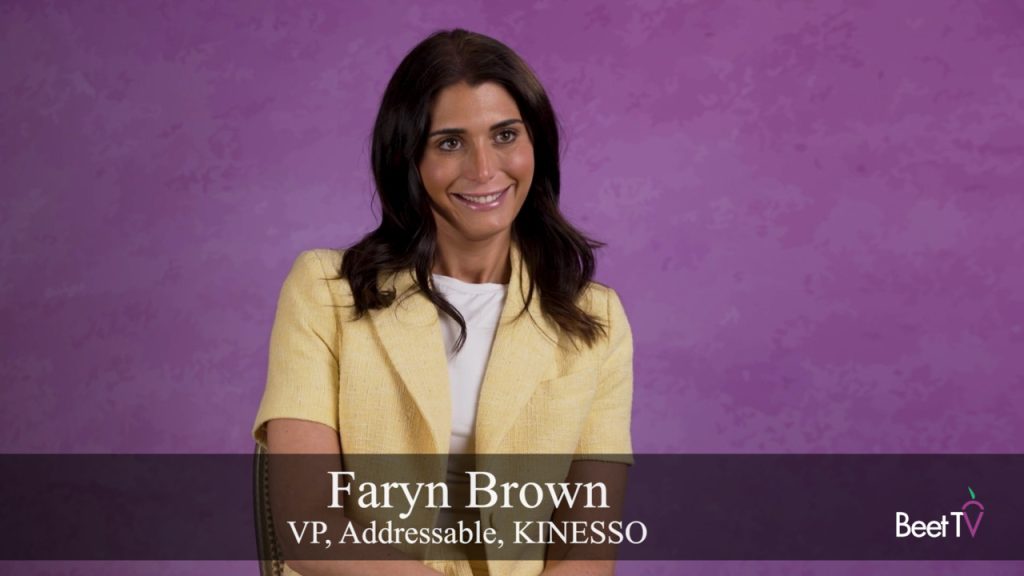
“You don’t get better data, you don’t get better targeting, you don’t get better strategies without measurement being there to be able to speak to it, be able to prove it,” said Faryn Brown, VP of addressable at KINESSO. She said this in a video interview with Beet.TV. At POSSIBLE 2026. Make of that what you will.
Why Pharma Dragged Its Feet on Streaming
Look, it wasn’t just a fear of change. Brown herself points out the structural reasons why linear TV has clung on for so long in this sector. “A lot of the therapeutic areas do have a patient population that is a bit older, a little bit less likely to be cord cutters, and so slower adoption there,” she explains. Translation: Old people watch old TV. So, yeah, linear still had its place.
Until now, advertisers were stuck in a guessing game. Couldn’t draw a straight line from seeing an ad on Hulu to actually, you know, getting a prescription filled. Or a doctor actually changing their prescribing habits. This uncertainty made it tough to justify ditching the devil you know (broadcast TV) for the streaming ether, even as audiences were scattering like roaches when the lights come on.
Clean Rooms: The New Compliance Cornerstone
Here’s the rub: you can’t personalize without being compliant. Especially in healthcare. Pharma needs to build its audience strategies on solid, regulatory ground from the get-go. Brown hammers this home: compliant segments must be built before they even hit the demand-side platforms. Because, privacy.
“Working with partners like Acxiom to make sure that we’re building these safe and compliant audience segments so that we are then able to reach the right patients and the right HCPs with that personalized message in a safe and compliant way,” she said. It’s a whole song and dance.
The identity problem is a bit trickier for direct-to-consumer ads than for healthcare professional targeting, where there’s at least a recognizable identifier. Brown admits there’s no magic bullet. KINESSO’s strategy? Helping clients build their own first-party data. Get patients and doctors to opt-in. Through advocacy groups, support programs, whatever it takes. Create a sustainable, privacy-compliant audience foundation. It’s less about finding individuals and more about building trust.
Rare Disease Demands Premium Placement
And don’t tell me rare disease brands should steer clear of streaming because their audience is tiny. Brown pushes back. “Something like rare disease, for example, when you might have a patient population of 8,000 people, that doesn’t mean that they’re not on CTV.” The context matters. When a rare disease patient sees your ad while watching something they actually care about, they’re more likely to remember you favorably. Unlike, say, diabetes ads that can afford to be just one tiny touchpoint in a much longer, broader patient journey. For rare diseases, it’s a singular, crucial moment of connection.
This whole measurement evolution for pharma in CTV isn’t just about chasing shiny new objects. It’s about finally bridging the gap between impression and outcome. And for an industry built on proving efficacy, that’s the only language that truly matters. The gamble is starting to look like a calculated investment.
🧬 Related Insights
- Read more: InMobi Buys MobileAction: Apple Ads Automation On Deck
- Read more: Free vs. Paid CRM: Who Really Wins?