The popcorn dust had barely settled from the POSSIBLE conference before the grim reality of ad tech hit again. Streaming TV. It’s moved past the “gee whiz, look at the future!” phase. About time.
Now it’s all about operations. Performance. Accountants, basically. The talk isn’t about shiny new formats, it’s about what actually moves the needle. AI that works, data that sticks, and channels that don’t trip over each other. Exactly what every weary marketer wants to hear.
The crowd at POSSIBLE reflected it. Less fluff, more foundation. Infrastructure, data nuts, commerce nerds. All rubbing shoulders with the usual video suspects. It’s a sign. A big, flashing sign.
AI: No Longer Just a Pretty Face
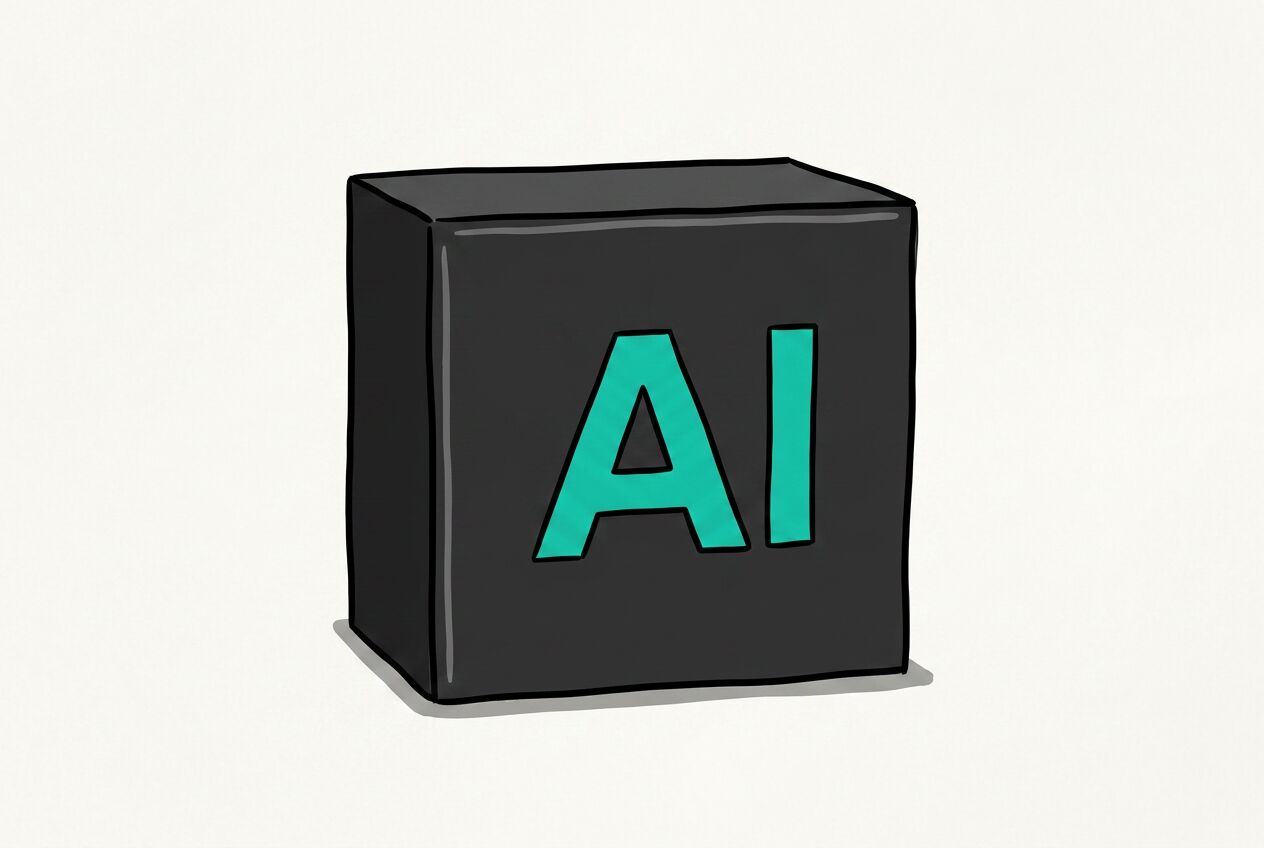
The AI hype train has officially pulled into the “show me the receipts” station. Advertisers aren’t impressed by buzzwords anymore. They want specifics. How does this magic box boost my campaign? Where does it cut the fat? What tangible, dollar-shaped results can I expect? It’s a fair question. And one the industry’s been dodging for too long.
Creative optimization. That’s where AI’s supposedly making its mark. Generating new ads from old ones, or jazzing up pause ads for those brief moments of user attention. Sounds… functional. The real meat, though? Operational AI. Real-time tweaks. Smoother workflows. Automated decisions. Things that make life easier and, dare I say, profitable.
It’s not just talk. Look at their own survey: 58% want real-time optimization. But only 44% think it’ll be widely available by 2026. That’s a gulf. A big, fat, opportunity-shaped gulf. The expectation is sky-high, the reality’s lagging. Advertisers are done with positioning. They want results, less fragmentation, and a simpler damn world.
Streaming Gets Smarter, Not Just Bigger
Signals. Data. Context. These aren’t new, but they’re getting a serious upgrade. Discussions are diving deep into bidstream data, using consumer behavior to build sharper targeting. Forget broad strokes. Think precision.
Contextual approaches are also gaining ground. What are people watching? When? What’s their headspace? It’s a more nuanced play. Less about sheer scale, more about intent. Engagement. Relevance. Smarter decisions, in other words.
This evolution is critical. Signal loss is real. Privacy expectations are rising. And the demand for measurable outcomes is relentless. Marketers and agencies are scrambling for solutions that connect behavior, exposure, and results. Across all channels. smoothly. It’s a tall order.
Omnichannel Isn’t a Buzzword. It’s the Law.
But the real seismic shift? Everything’s connected now. Streaming TV isn’t a lone wolf. It’s part of a pack. Marketers are mapping the entire consumer journey, from the first whisper of awareness to the final click of conversion.
Audio. Data providers. Cross-channel measurement. They’re not side dishes anymore. They’re main courses. The focus isn’t on which channel wins the budget war, but how the whole damn ecosystem plays nice together.
Total TV. Converged buying. It’s not a niche play anymore. 55% of CTV/streaming budgets are now managed by integrated teams. Silos are for storage, not strategy. Reach, frequency, performance – it’s all one big, beautiful, messy pie.
For years, we’ve talked about total video. Now, it’s happening. Strategies are being built. Tools are being made. Measurement is catching up. Streaming TV is still the star, but it’s finally playing its part in the ensemble.
The Industry’s Awkward Teen Years Are Over
This whole conference felt like the ad tech industry finally grew up. Advertisers are asking the hard questions. They’re expecting tangible improvements, not just promises.
“Advertisers are no longer impressed by AI positioning alone. They want technology that improves performance, reduces fragmentation and simplifies complex media environments.”
This is the core of it. The move from potential to practical. From “what if” to “what is.” It’s a healthy, albeit painful, evolution. The future of streaming TV isn’t a distant utopia. It’s the messy, operational reality of today.