Forget the ad tech of yesterday. The industry isn’t just getting a facelift in 2026; it’s undergoing a fundamental architectural overhaul, and the real-world implication is that your online experience, while more automated, is poised to become more attuned to genuine human connection. This isn’t about more creepy tracking; it’s about AI orchestrating a symphony of signals where emotional resonance, not just a digital ghost, becomes the key to advertising that actually works.
The core of this transformation lies in a profound pivot: the industry is moving away from the fragile, identity-based tracking that’s been its lifeblood for years. This isn’t just a reaction to privacy regulations; it’s an evolutionary leap driven by a recognition that the old model was unsustainable. Think of it like this: we’ve spent years building a house of cards on a shaky foundation of cookies and user IDs. Now, the wind is blowing, and the whole thing is coming down, forcing us to build something far more strong—an AI-powered operating system, rather than a flimsy tracking mechanism.
The AI Operating System Arrives
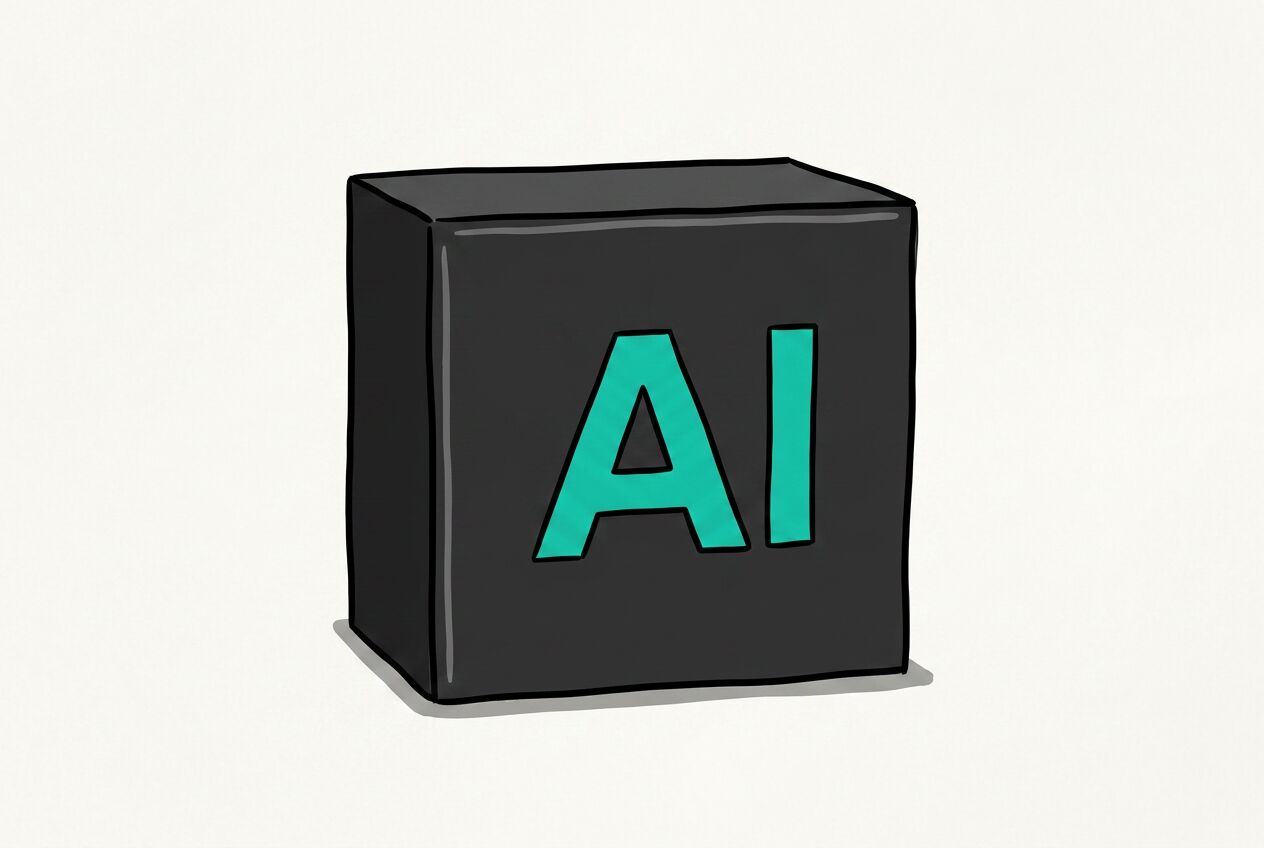
At its heart, this new ad tech paradigm is being defined by AI. It’s no longer a fancy optimization tool tucked away in a corner. Instead, AI is becoming the central nervous system, the operating system of the entire advertising ecosystem. This means everything from how campaigns are planned, executed, and measured is being re-architected around intelligent automation.
This shift is fueled by a confluence of factors: the increasing fragmentation of media channels (hello, CTV and retail media!), the ever-tightening grip of privacy-first regulations, and a broader cultural demand for transparency. The old days of opaque supply chains and black-box algorithms are rapidly fading, replaced by a need for clarity and demonstrable impact.
Why Does This Matter for Performance?
The experts interviewed paint a clear picture: the heavy lifting of data analysis, campaign execution, and real-time optimization is increasingly falling to AI. This frees up human strategists to focus on higher-level objectives, but it also elevates a different kind of currency: human emotion.
“However, in a landscape driven by automation, optimisation, and scale, human emotion is becoming the new currency of marketing performance. Advances in AI-powered content analysis now show that when an advertisement’s tone aligns with the emotional sentiment of surrounding content, cognitive impact increases significantly. And the results are measurable. Emotional resonance in ads is no longer a creative luxury; it is now a competitive advantage, as an additional targeting axis with enriched context or audience data.”
This is the truly fascinating paradox at play. As machines handle the complex, data-intensive tasks, the subtle art of connecting with people on an emotional level becomes paramount. AI can identify patterns in sentiment and content, helping advertisers understand when and where their message will resonate most deeply. It’s not just about reaching an audience; it’s about connecting with them in a way that elicits a genuine response, driving deeper engagement and, ultimately, better business outcomes.
This move from identity to intelligence means the focus shifts. Instead of trying to paint a detailed profile of an individual user based on their digital footprint—a practice now fraught with privacy concerns—the industry is leaning into understanding the context and the signals surrounding their behavior. Think about it: instead of knowing someone browsed for shoes three days ago, AI might understand they’re in a “shopping for comfort” mindset based on the articles they’re reading on a specific site or the type of content they’re consuming on CTV.
The Rise of Intelligent Signals Over User IDs
Sotiris Oikonomou from MarkApp highlights this critical transition: “Ad tech in 2026 is being reshaped by one core shift: the move from identity to intelligence. Privacy regulation, led by frameworks like TCF, has accelerated the decline of user-level tracking and forced the industry to rebuild around compliant, signal-driven decisioning.” This is the engine of the new system. It’s about leveraging contextual relevance, environmental signals, and aggregated behavioral insights rather than trying to reconstruct a digital dossier on every single person.
The implications for platforms are significant. Those that can effectively integrate exchange capabilities with AI-driven intelligence and unified reporting will likely outperform fragmented ecosystems. This consolidation suggests a future where a more streamlined, efficient, and transparent ad tech stack becomes the norm.
The historical parallel that strikes me here is the shift in scientific understanding. For decades, we were focused on cataloging and classifying every individual component—every gene, every particle. Then, the revolution came with understanding the interactions, the systems, the emergent properties. Ad tech is mirroring this. We’re moving from a detailed inventory of users to understanding the dynamic interplay of content, context, and intent, orchestrated by AI. This isn’t just a technical tweak; it’s a conceptual leap forward, driven by necessity and enabled by technological maturity.
Ultimately, the promise of this new era is not just about better ad delivery for brands, but a more relevant and less intrusive experience for consumers. When AI acts as the intelligent orchestrator, and human emotion becomes the guiding star for creative and contextual alignment, advertising might just start feeling less like noise and more like a helpful suggestion. It’s a complex dance, and the music is still being composed, but the key players are clearly signaling a new rhythm.
🧬 Related Insights
- Read more: AI’s Hidden Hand in Marketing
- Read more: CTV’s Commerce Play: IAB VP Spills the Tea
Frequently Asked Questions
What does ‘AI operating system’ mean for ad tech?
It means AI is no longer a supplemental tool but the foundational technology managing core functions like campaign execution, optimization, and measurement. It replaces older, identity-based tracking mechanisms with intelligent, signal-driven decisioning.
Will this make ads more relevant or more intrusive?
The goal is to make ads more relevant and less intrusive. By focusing on intelligent signals and emotional resonance within contextual environments, the aim is to deliver messages that are more likely to be welcome and impactful, rather than relying on invasive personal data.
Is human creativity still important if AI is doing the heavy lifting?
Absolutely. While AI handles execution and optimization, human creativity becomes even more critical for crafting emotionally resonant messages and understanding the nuances of human connection that AI can identify but not fully replicate.