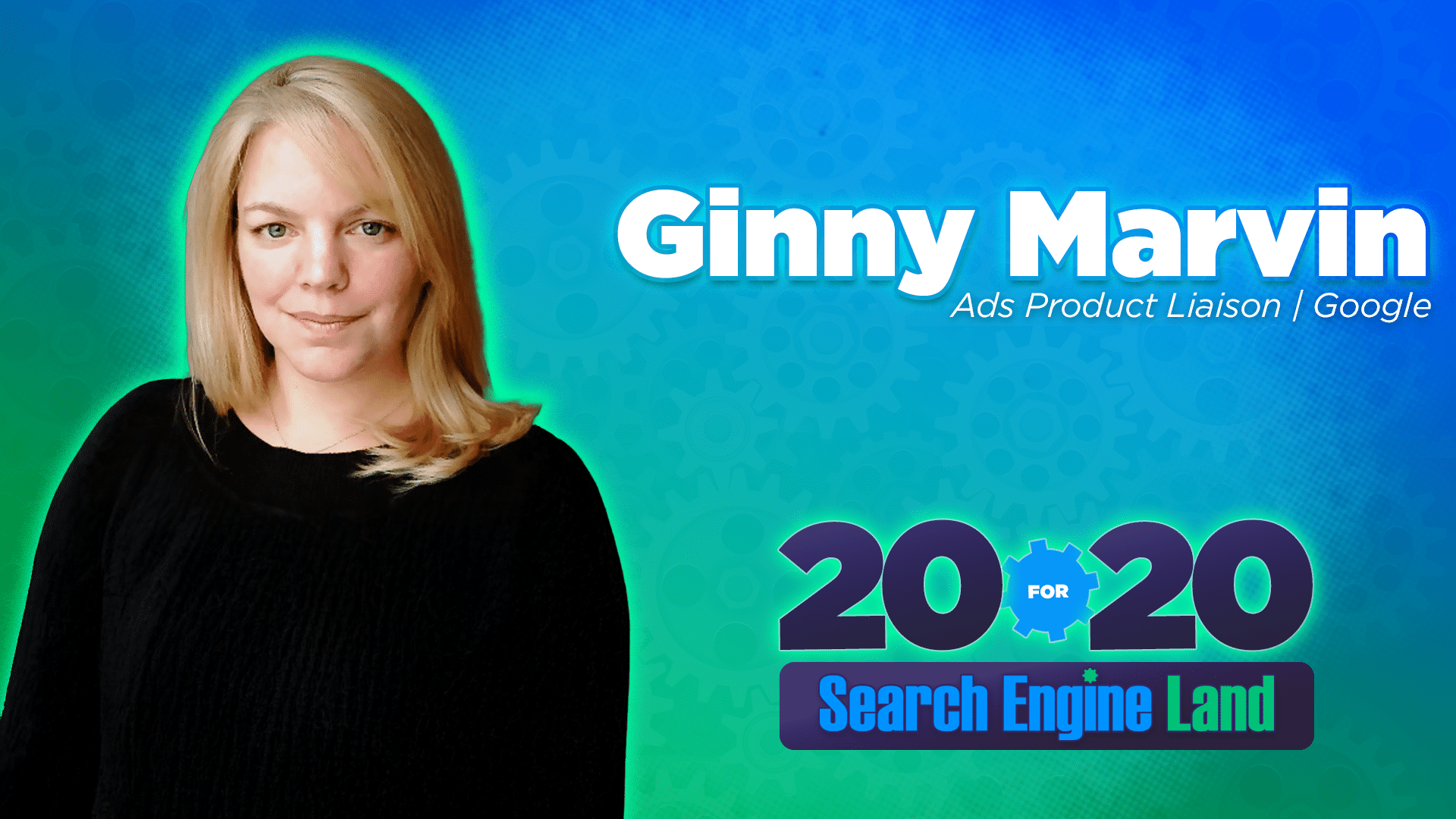
The cursor blinks. Impatiently. Another campaign setup, another keyword list the size of a small novel. This was PPC two decades ago. Painful. Meticulous. And, if you were Ginny Marvin, a breath of fresh air after print publishing coughed its last.**
Look, Ginny didn’t plot a course for digital advertising dominance. She landed there. A magazine folded. She pivoted. Took a step back – from director to applicant – to go digital. And paid search, or PPC, grabbed her attention like a well-timed ad buy.
The Speed That Changed Everything
Marvin’s initial flirtation with search was via SEO. Slow. Measured. Then, a paid search manager ditched town. She stepped in. And suddenly, the game changed. Coming from print, where results were a hazy rumor whispered weeks later, PPC was instant. Launch, spend, measure, act. Bam. It made the link between marketing spend and actual money made crystal clear.
How Google Ate the World
When Marvin started, search wasn’t a Google-only party. Yahoo was king, Microsoft was in the building. But Google? They just kept building. Focused. Iterating. They weren’t just offering a search engine; they were crafting an advertiser’s dream, or at least a functional necessity.
Google kept improving the product, launching new features and iterating faster than competitors. It became increasingly clear that Google was building around advertiser needs and pushing the industry forward.
That relentless march forward is why Google rules. Simple.
The Early Days: An Exercise in Absurdity
Complaining about manual work in PPC today is like complaining about a mild papercut after surviving a chainsaw massacre. Early PPC was manual. Keyword lists? Epic. Permutations? Mind-numbing. Advertisers built campaigns around the platform’s quirks, not necessarily the business’s needs. It gave a false sense of control. Marvin points this out as a seismic shift: campaigns now start with goals. Finally.
Search Engine Land: The Accidental Hub
Search Engine Land popped up when Marvin was just finding her feet. It became the place. Not just for news. For practical, boots-on-the-ground insight. The mix of fast reporting and real-world columns made knowledge shareable. It fueled the industry. It fueled careers. Including Marvin’s.
The Generous, Weird Search Community
This is where search marketing really differs. The community. Generous. Open. People shared what worked, what bombed, what to look out for. It fostered learning. It built the industry. It shaped people like Ginny.
AI: Not Exactly a New Kid on the Block
People freak out about AI. Like it just materialized. Nah. Machine learning has been in Google Ads for ages. Smart Bidding. Close variants. Automation. What’s new is the sheer velocity. Large language models threw rocket fuel on the fire. AI didn’t burst onto the scene; it just got a whole lot faster.
Consumer Behavior is Driving the Bus
Forget what Google can do. It’s about what people are doing. Queries are longer. More complex. Image search. Voice. Multimodal. Search engines understand intent now, not just keywords. Advertisers need to ditch the tunnel vision. Think the whole damn customer journey.
Business Outcomes: Still the Holy Grail
Has the definition of success changed? No. It’s still about business outcomes. What has changed is our ability to measure it. To connect the dots between ad spend and dollars earned. Data. Measurement. First-party signals. They’re not optional. They’re everything.
The Next 20 Years: Curiosity Wins
Who wins tomorrow? The curious. The learners. Those who watch customers and adapt before they’re dragged, kicking and screaming. It’s the mobile story all over again. Consumers leaped ahead. Advertisers lagged. AI is just the latest act. Stay curious. Or get left behind. Simple as that.