Are we just making things more complicated by calling them “AI-powered”?
That’s the question swirling around Microsoft’s latest ad tech buffet. They’ve just dropped a bunch of updates, all draped in the shimmering, often misleading, cloak of artificial intelligence. Bidding, reporting, importing campaigns – it’s all getting the “AI treatment.” They want to make managing campaigns across Google, Meta, and their own platform feel like a walk in the park. A park where the squirrels are bots and the trees are algorithms. Joy.
The Great Migration? Or Just More Paperwork?
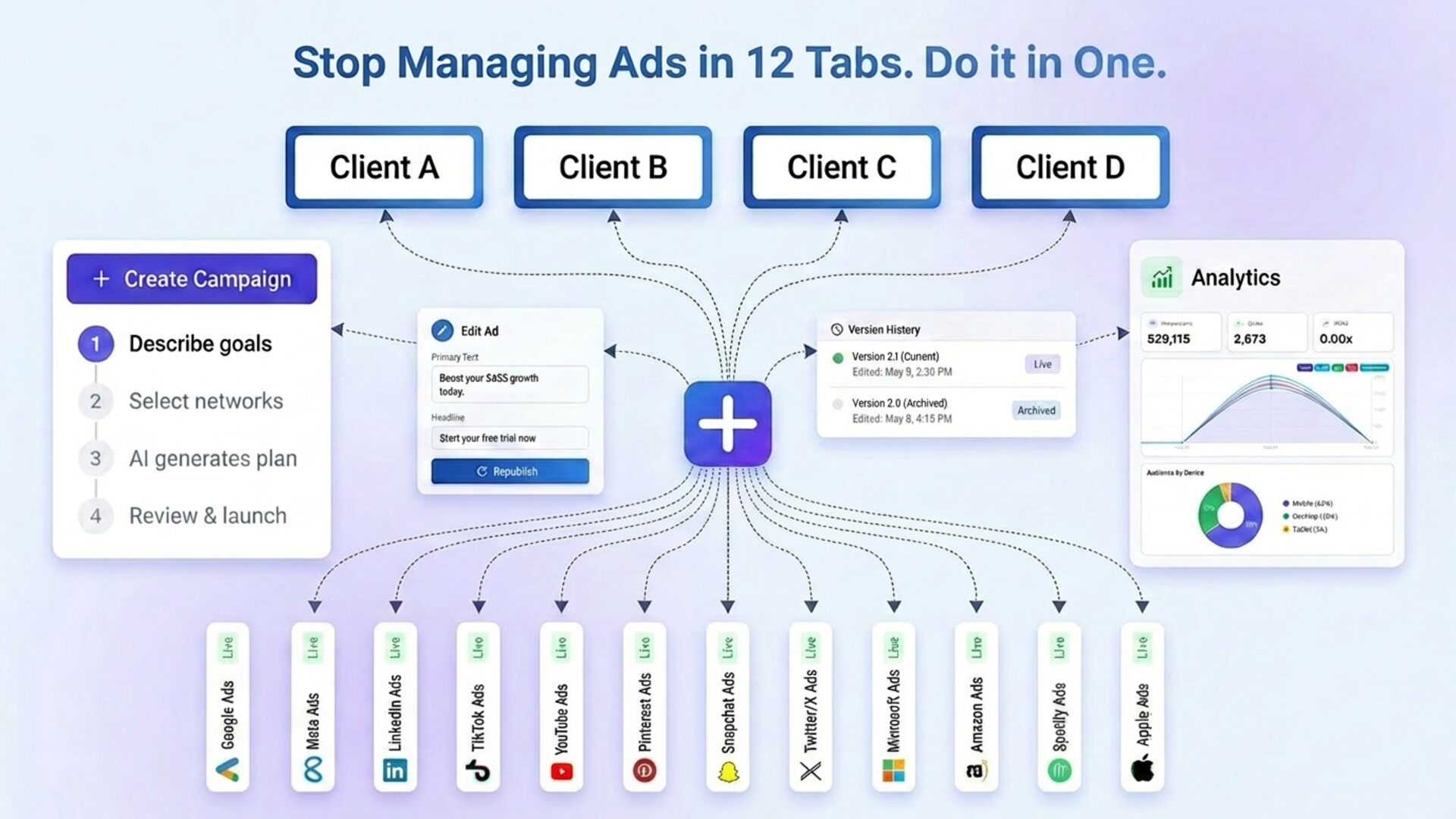
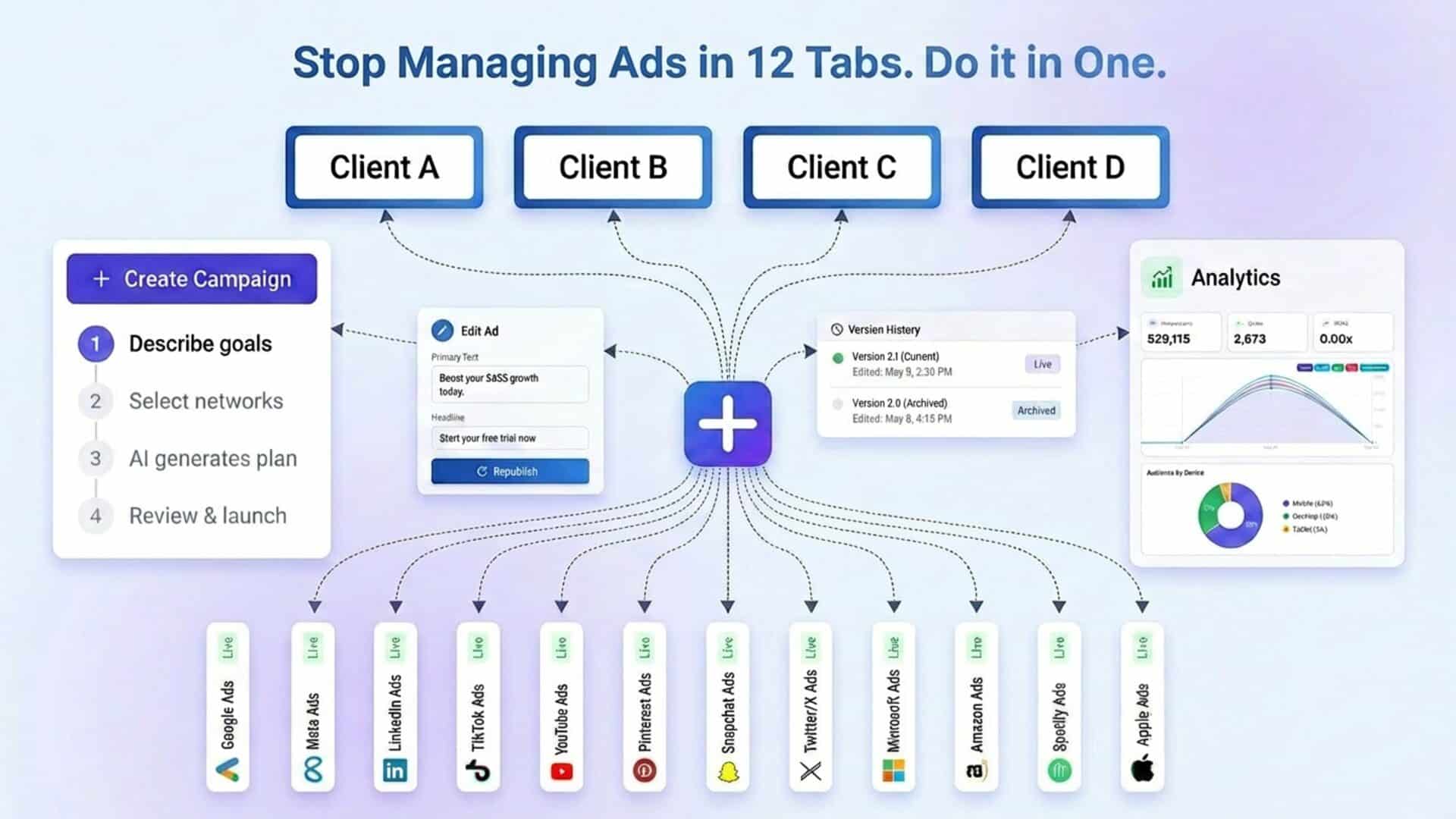
First up: the new Import Center. The idea? Make it stupidly simple to drag your Google Ads and Meta Ads campaigns over to Microsoft Advertising. Search, filter, edit, pause – all the usual suspects. They promise less manual fiddling. Sounds nice. But remember the last time a platform promised simpler imports? It usually meant learning a whole new set of quirks and error messages. Microsoft’s goal is to cut down on troubleshooting. Let’s see if they deliver on that lofty promise, or if we’re just trading one headache for another.
Bidding Bonanza: More Signals, More Confusion?
Then there’s the AI-powered bidding expansion. They’re pushing cross-account portfolio bidding for Search and Shopping campaigns. The pitch is that by pooling signals across multiple accounts, the automated bidding systems will magically optimize budgets better. Because, of course, more data always leads to more clarity, right? It’s like giving a toddler an extra scoop of ice cream and expecting them to clean their room.
Microsoft also claims enhanced bid strategy reporting. We’re talking Avg. Target ROAS, Avg. Target CPA, Avg. Target impression share. All designed to help you understand bid performance and conversion delays. Direct access in the UI, they say. The real test? Whether these new metrics actually tell you something you didn’t already suspect, or if they just add to the ever-growing dashboard of doom.
Reporting: Seeing More, Understanding Less?
Reporting flexibility gets a boost with custom columns. You can now yank all conversion metrics into these custom columns and segment by goal name. Analyze CPA, ROAS, and “All Conversions.” They want to give you more transparency and faster insights. Transparency is great. Faster insights are even better. But faster insights into what, exactly? Are we getting closer to knowing what actually works, or just getting a fancier way to see the same old data?
Microsoft is making it easier to manage campaigns across Google, Meta and Microsoft Ads while expanding AI-powered automation and bidding capabilities. The new Import Center reduces operational friction for teams running multi-platform campaigns, while cross-account portfolio bidding and enhanced reporting tools could help advertisers optimize budgets and performance more efficiently.
This quote, from their own PR playbook, perfectly encapsulates the optimistic spin. It’s all about “reduced friction” and “optimized performance.” Music to an advertiser’s ears. But let’s not forget the context: Microsoft wants your ad spend. These tools are designed to make it less painful to send your dollars their way. It’s not entirely altruistic.
The AI Hype Train: Still Gaining Steam?
Catch up time. They’re rolling out seasonality adjustments for portfolio bidding and shared budgets. And data-driven attribution for automated bid strategies. The attribution model, they say, assigns conversion credit across the customer journey. For campaigns using Maximize Conversions, Maximize Conversion Value, and Enhanced CPC. It’s all about giving AI more data points to chew on. The more data these AI models gobble, the more confident Microsoft feels they can steer your ad budget.
My take? This is less about a quantum leap and more about Microsoft trying to keep pace. Google’s been doing this AI bidding dance for years. Meta, too. Microsoft’s playing catch-up, dressing up existing features with an AI label. The Import Center is a genuine operational win if it works as advertised. But the rest? It’s incremental improvement, wrapped in a marketing sheen. We’ve seen this play before. The promise of AI simplifying everything, only to discover we need AI to understand the AI.
Why Does This Matter for Marketers?
Look, if you’re already running campaigns across multiple platforms, the Import Center could be a small victory. Less time spent copying and pasting, more time… well, probably staring at the new reporting metrics trying to figure out what they mean. The portfolio bidding is interesting, but for smaller advertisers, the complexity might outweigh the benefit. The real question is whether these AI enhancements actually lead to a demonstrable lift in performance or just a more complicated optimization process. We’re still a long way from AI doing our jobs for us. More likely, it’s just changing the tools we use, and demanding new skills to manage them.
This relentless march toward AI in advertising feels like a historical echo. Remember when programmatic first arrived? It promised efficiency and better targeting. And it delivered, for a while. Then came the privacy concerns, the opaqueness, the fraud. We’re in a similar cycle with AI. Excitement, promises of automation, and then the slow realization that human oversight and critical thinking are more important than ever. Microsoft’s AI play is a safe bet, trying to offer what competitors already do, but with their own flavor. The flavor, as always, is corporate.