The hum of the morning commute, the soundtrack to a late-night drive, the familiar voice cutting through the static – for millions, it’s still radio. And according to the latest RAJAR figures, that collective ear is tuned more than ever to Global’s stations. The company’s Q1 2026 report reveals a colossal 29 million weekly listeners, a figure that doesn’t just represent numbers on a spreadsheet, but a deeply ingrained part of British life.
This isn’t just about reach; it’s about immersion. Radio, often considered the unassuming sibling in the digital media family, is proving its resilience. While streaming services and podcasts vie for attention, the sheer scale of radio’s daily presence – reaching over 50 million adults weekly across the UK – suggests a fundamental human need for curated, often live, audio content. For advertisers, this means a direct line to a massive, engaged audience, a prize that even the most sophisticated programmatic platforms struggle to replicate with such consistent, broad penetration.
The LBC Effect: News, Opinion, and Record Audiences
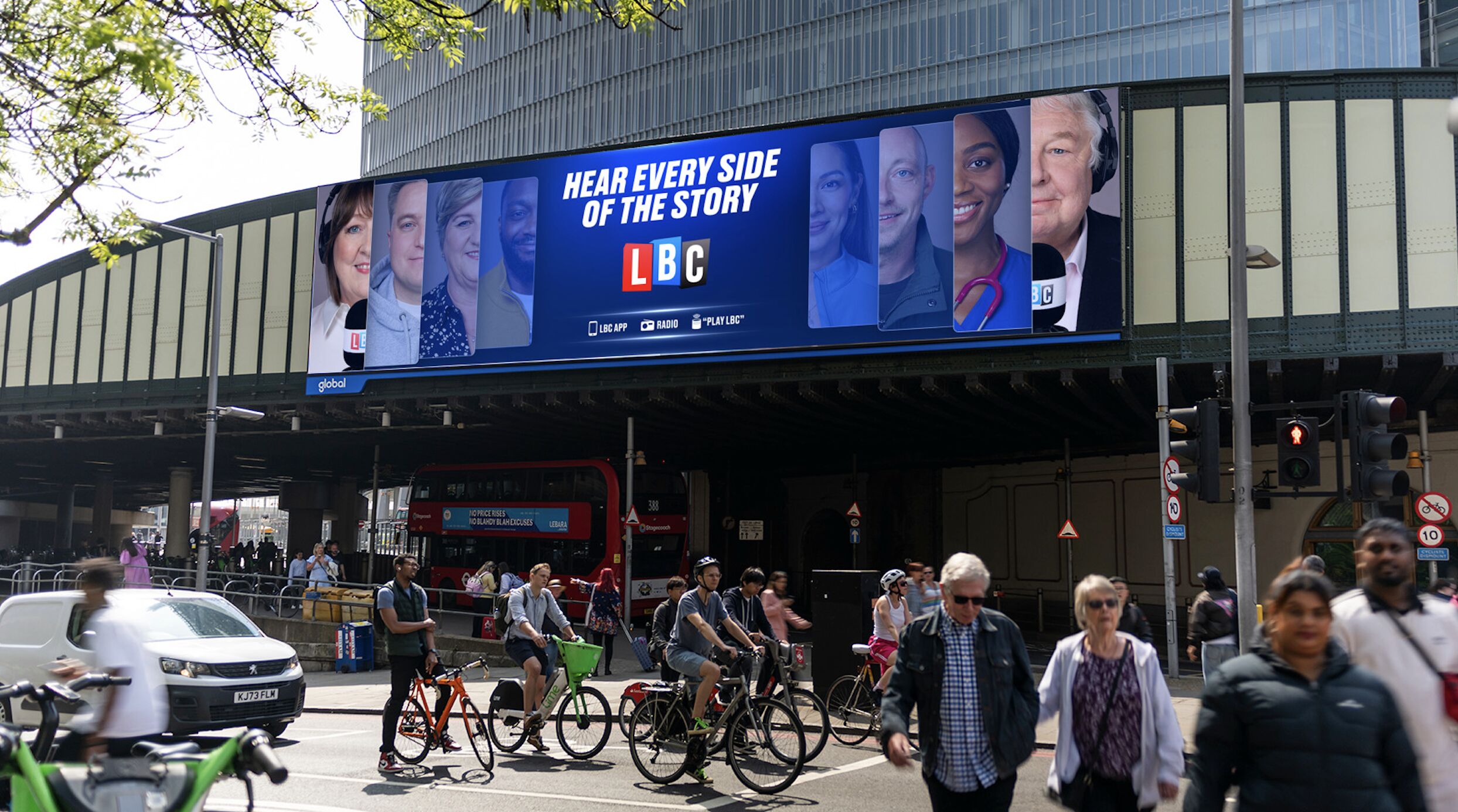
What’s driving this surge? Look no further than LBC. The news talk brand has just smashed its own record, pulling in a staggering 3.6 million weekly listeners. This isn’t accidental. In a world awash with information, the demand for trusted, live analysis and conversation is palpable. James O’Brien, a figure who has cultivated a fiercely loyal following, now commands over 1.5 million weekly listeners – a proof to the power of thoughtful discourse in an often-chaotic news cycle.
This isn’t just anecdotal. Simon Pitts, Global’s group CEO, pointedly noted the significance of LBC’s performance:
“I’m particularly pleased to see LBC deliver a record-breaking audience at a time when trusted news, analysis and live conversation matter so much.”
This sentiment echoes across the media landscape. While the digital sphere often prioritizes speed over substance, LBC’s success underscores a yearning for depth and context. It’s a reminder that for all the algorithmic precision in ad-tech, human connection and expert opinion still hold immense sway.
More Than Just Music: Global’s Brand Dominance
But it’s not solely about LBC’s gravitas. Global’s portfolio paints a picture of a diversified audio empire. Heart remains the undisputed king of commercial radio, boasting 12.5 million listeners. Capital, with its hit music format, pulls in 8.8 million, even outstripping BBC Radio 1 by a considerable margin. Add in the quiet strength of Smooth, Classic FM, and Gold, and you see a strategic mastery of different listener tastes and needs.
This is the architecture of modern audio dominance: a multi-brand strategy that caters to virtually every demographic and mood. From the pop beats of Capital to the calming melodies of Smooth, Global has engineered an ecosystem where listeners can find their sonic home, ensuring they stay within its orbit for hours.
Is Radio an Ad-Tech Black Box?
For many in the ad-tech world, radio’s persistent popularity presents a fascinating paradox. While programmatic advertising has become the default for digital, radio advertising, despite its scale, often feels less transparent, less data-rich. The metrics are clear – reach, hours, share – but the granular audience insights available for digital campaigns are harder to come by. This is where a company like Global holds a unique advantage. They know their audience. They have the direct relationship.
This deep understanding allows them to package and sell not just airtime, but brand experiences. As James Rea, Chief Content Officer, put it,
“Across all our brands, Global’s amazing teams are delivering outstanding content every day.”
This emphasis on content, on the human element behind the broadcast, is a crucial differentiator. It’s a stark contrast to the often impersonal, data-driven interactions of digital advertising. For brands looking to cut through the clutter, associating with trusted, well-loved radio personalities and formats offers a potent shortcut to consumer trust.
The Future Sound of Advertising
So, what does Global’s record-breaking quarter mean for the future? It signals that radio isn’t just surviving; it’s thriving. It’s a wake-up call for an ad-tech industry that sometimes gets lost in the complexity of its own algorithms. The enduring appeal of radio lies in its simplicity and its ability to foster a genuine connection.
This isn’t a death knell for digital, of course. But it’s a powerful reminder that the human voice, when delivered with authenticity and purpose, remains an incredibly potent advertising medium. As Global continues to command such vast listening figures, brands would be wise to pay attention. The sound of success, it turns out, is still very much on the airwaves.
🧬 Related Insights
- Read more: Digital Out-of-Home Advertising: The Complete DOOH Guide
- Read more: Elon Musk Ditches Massie Primary
Frequently Asked Questions
What are RAJAR figures?
RAJAR stands for Radio Joint Audience Research. It’s the official body that measures radio audiences in the UK, providing data on listening figures, hours, and market share for radio stations.
Is commercial radio doing better than BBC radio?
Globally, commercial radio holds a 54.3% listening share compared to the BBC’s 43.4%, indicating a strong performance for the commercial sector in the latest reporting period.
Will this affect programmatic advertising?
While radio has its own advertising channels, its massive reach suggests opportunities for integrated campaigns that combine programmatic digital buys with traditional radio placements to maximize audience engagement and brand impact.