What if the most exciting new tool in a marketer’s arsenal isn’t a shiny new platform, but an intelligence that can riff with your wildest ideas?
That’s the seismic shift we’re witnessing, and Day Two of the Experiential Marketing Summit 2026 offered a dazzling glimpse into it. Forget the tired debates about AI replacing humans; the real story unfolding is about AI as a profound collaborator, a veritable sounding board for the kind of bold, culture-shaping events that used to require vast teams and even vaster budgets.
This wasn’t just another tech conference where buzzwords fluttered like confetti. EMS 2026, particularly its second day, dove headfirst into the raw, beating heart of experiential marketing: how to make things matter in a world saturated with digital noise.
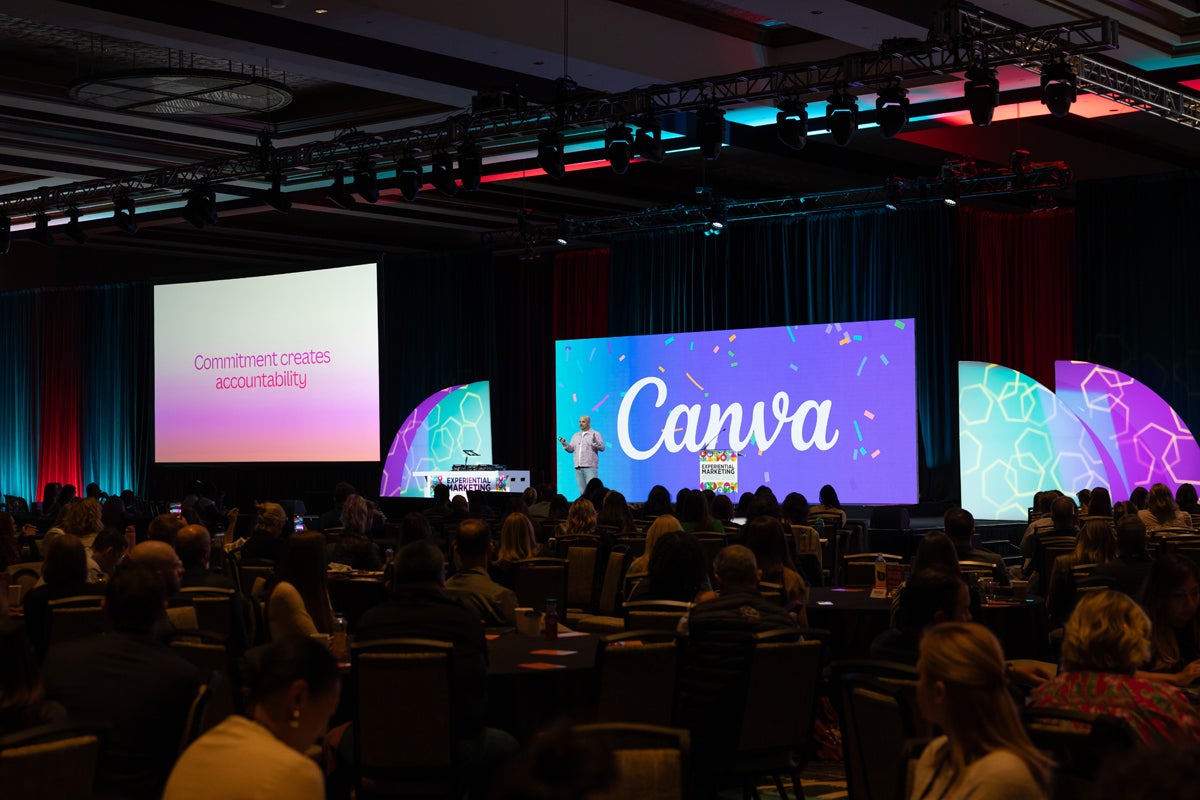
Canva’s global head of experiential, Jimmy Knowles, kicked things off with a bang, not with a pronouncement, but with a challenge. He dared attendees to question the age-old assumption that bigger budgets automatically translate to bigger impact. “Here’s what I have learned about resources and imagination,” Knowles stated, cutting through the corporate gloss. “They are not the same thing. A bigger budget can make something louder. It can’t make something matter.”
This idea, that genuine connection trumps sheer scale, echoed throughout the day. It’s a powerful reframing, especially as we grapple with shrinking attention spans and the relentless demand for ROI. The sessions weren’t just about tactics; they were about philosophy, about engineering experiences that resonate so deeply they forge communities, not just fleeting impressions.
The AI Catalyst: More Than Just an Algorithm?
The undeniable star of the show, or at least the topic that sparked the most animated discussions, was AI. The “Human Creativity vs. AI Creative Brief Challenge” wasn’t about crowning a winner; it was a live, breathing exploration of AI’s burgeoning role. Think of it like this: Imagine a master chef is experimenting with a new dish. AI isn’t the chef; it’s the incredibly insightful apprentice who can instantly suggest a hundred variations on a theme, pull obscure historical flavor pairings, or even flag potential ingredient conflicts. It accelerates the process of discovery.
And this is where the futurist in me gets truly excited. AI, in this context, isn’t automating creativity; it’s democratizing it. It’s lowering the barrier to entry for ambitious ideas. It allows human strategists to act more like conductors, guiding an orchestra of possibilities, rather than struggling to find the right notes.
But the conversation was nuanced. It wasn’t a blind endorsement. Speakers were quick to point out where AI falters without human context – the subtle cultural nuances, the gut feelings that defy logical explanation, the why behind the what. This dichotomy is key: AI as an unparalleled sounding board, a tireless brainstorming partner, but not, not yet anyway, the sole architect of soul-stirring experiences.
Quality Over Everything Else
Beyond the AI fascination, a consistent thread wove through the summit: the paramount importance of quality. In an era where we can blast messages to millions, the danger is creating content for no one. Monique Ruff-Bell of TED articulated this beautifully, stating, “It’s not about the quantity. It’s about the quality, because I am sure way more people would appreciate really good content over hundreds of pieces of bad content, because nobody likes their time wasted.”
This is more than just good advice; it’s a strategic imperative. Personalization, then, isn’t just a trend; it’s the engine of quality. Tailoring experiences, whether through modular trade show designs or differentiated activations, ensures that each touchpoint feels designed for the individual. It’s about inclusivity, yes, but more profoundly, it’s about making every single person feel seen and valued.
Beyond the Sessions: The Human Element
And let’s not forget the glue that holds all of this together: human connection. The Braindates, community mixers, and even the legendary EMS scavenger hunt were more than just networking opportunities. They were engineered moments for genuine interaction, for shared discovery, for those spontaneous conversations that spark innovation.
The evening events, from the Hall of Ideas happy hour to the exclusive Women in Events Night and the laid-back EMS After Dark, underscored this. The lip sync contest? Pure, unadulterated human fun. These weren’t just after-parties; they were extensions of the summit’s ethos, celebrating the people who make magic happen.
The Experiential Marketing Summit 2026 is proving that the future of brand engagement isn’t just about cutting-edge technology, but about how we wield it to amplify human creativity and forge deeper connections. It’s a future that’s both excitingly advanced and refreshingly, fundamentally human.
🧬 Related Insights
- Read more: Ad IDs Proliferate: New Players Emerge
- Read more: Free vs. Paid CRM: Who Really Wins?
Frequently Asked Questions
What is the main theme of EMS 2026 Day Two?
Day two of EMS 2026 focused heavily on the evolving role of AI as a creative partner and sounding board for experiential marketing, alongside the enduring importance of quality, personalization, and human connection.
How is AI being used in experiential marketing according to EMS 2026?
At EMS 2026, AI was discussed not just for efficiency, but as a tool to accelerate ideation, suggest creative variations, and act as a powerful sounding board for marketers developing bold event ideas. It’s viewed as a collaborator, not a replacement.
What does ‘quality over quantity’ mean in experiential marketing?
It means prioritizing deeply engaging and relevant experiences for specific audiences over broadly appealing but shallow content. The focus is on making each interaction meaningful and respectful of attendees’ time, leading to better engagement and brand perception.