The Super Bowl just ended, and a thousand recaps flood YouTube. But who are Gen Z actually watching? Not necessarily the broadcast. According to a recent YouTube study, they’re tuning into their favorite creators’ interpretations of the game. This isn’t just about preference; it’s a seismic shift in how culture is consumed and, critically, how brands can now tap into it.
For too long, the influencer marketing world operated with a fundamental disconnect. Brands, aiming for broad awareness, would then evaluate creator performance using blunt, lower-funnel metrics. It was akin to measuring a book’s success solely by its final sale price, completely ignoring the author’s craft, the publisher’s marketing, and the reviewer’s persuasive prose that all led to that purchase.
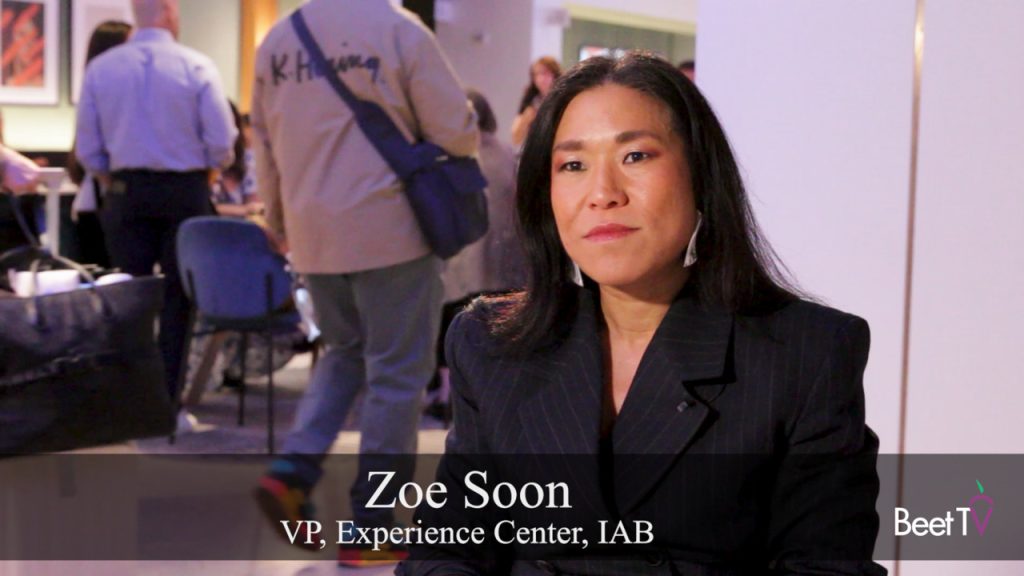
Zoe Soon, VP of the Experience Center at the Interactive Advertising Bureau (IAB), articulated this point with stark clarity in a recent interview. “Creators have never just been billboards. They’re called influencers for a reason,” she stated. “But what we’ve been seeing to date is brands having the goal of awareness when working with creators, but then using lower funnel performance metrics to gauge their performance.”
This measurement mismatch meant creators were consistently under-credited. They were the ones building trust, fostering discovery, and cultivating purchase intent—the slow burn before a transaction—yet their value was being judged on a single, often isolated, conversion.
The Looming $24 Billion Question
This isn’t a niche problem. Global influencer marketing spending is projected to skyrocket to $24.1 billion by 2026, nearly doubling from $13.8 billion in 2021. That kind of capital injection naturally intensifies the pressure to prove tangible value beyond likes and shares. The industry needs to demonstrate that creator partnerships are driving real business outcomes, not just vanity.
And here’s the breakthrough: retailers are beginning to forge that direct line. “Now retailers can use data to find out which creator audiences are most likely to convert, and they’re able to tie creator exposure to transactions,” Soon explained. “And that’s been the missing link that’s really held back investment.”
This is huge. It moves creator marketing from a speculative, almost artistic endeavor, into a quantifiable science. It’s about understanding which creator’s audience, when exposed to a product or message, is most likely to click ‘buy.’ This granular insight allows for smarter allocation of budgets and a more accurate understanding of ROI.
From Appointment Viewing to ‘Always On’
Soon highlighted the evolving media landscape, contrasting old-school ‘appointment viewing’ with the creator-driven ‘always on’ model. Think about it: the Super Bowl itself is an event, but the real cultural conversation, the memes, the hot takes—that’s often happening in creator-led spaces, long after the final whistle.
Creators have something brands can’t manufacture, and that’s trust. They have ongoing relationships with their audiences, there’s engagement, there’s community. And we’re really moving from a world of appointment viewing to always on, which is what creator emulates.
This ongoing, trusted relationship is the bedrock. Brands can now use this sustained connection. Instead of a one-off 30-second spot, they can extend their narrative through creator content before, during, and after major cultural moments. The YouTube study finding Gen Z preferring creator Super Bowl recaps over the actual broadcast is a potent illustration of this shift.
The Organizational Hurdle: Bridging the Gap
But architectural shifts don’t happen in a vacuum, and they certainly don’t happen without friction. The primary challenge, Soon identified, is organizational. Creators are often siloed, managed by PR teams or relegated to experimental budgets, far from the media buyers who control the purse strings.
“The people who are creator experts are not the same people who are media buying experts,” she noted. The IAB’s mission, therefore, is to bridge this divide, integrating creators into the mainstream media mix and professionalizing the entire creator economy.
This involves establishing shared definitions and standardized measurement frameworks—a critical step for scaling. The IAB’s new guidelines for commerce media are a move in this direction, aiming to provide the necessary scaffolding for these emerging channels.
The Funnel Melts Into a Loop
And what does this mean for consumer behavior? The traditional linear sales funnel—awareness, consideration, purchase—is becoming obsolete. Consumers aren’t neatly progressing through stages anymore.
“Creators are having an impact on the traditional funnel because the funnel’s collapsing,” Soon observed. “It’s not a funnel anymore. It’s more of a closed loop. Someone sees a creator that they follow and emulate, they see a jacket that they’re wearing, they want to buy it, they can buy it natively through the affiliate link.”
This compression is the endgame. Discovery and transaction are happening almost simultaneously, fueled by the trust and immediate accessibility that creators provide. For brands, this is the ultimate payoff: not just awareness, but immediate, attributable action, driven by the authentic voice of someone their audience already trusts. It’s the priming of the pump finally delivering a measurable flow.