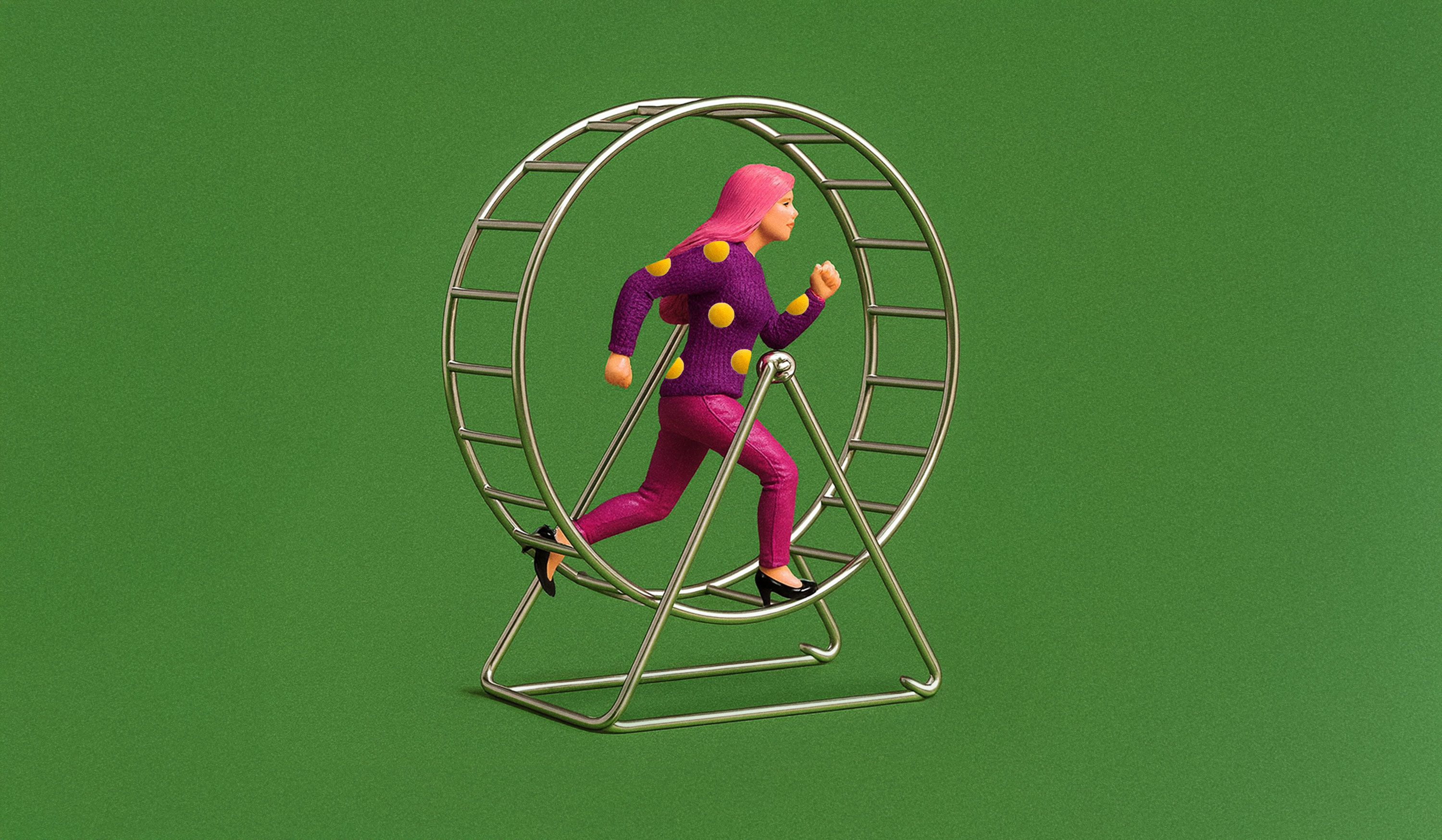
So, what does this mean for actual humans? It means the influencers you follow might not just be hawking products; they could be helping invent them. And the ads you see? They might be better because a creator poked holes in them before they went live. Agencies, bless their little hearts, are finally realizing that the digital soapbox people have been shouting from for years actually has some value beyond just eyeballs.
It’s a notion that’s taken longer to land than a dial-up modem connection. For years, creators were just pretty faces or loud mouths delivering a pre-packaged message. Now, some marketers, nudged along by their agency partners, are treating these folks like actual humans with opinions that matter. Horizon Media’s Blue Hour Studios is one such outfit, using creators as a “test lab” for everything from campaign messaging to, get this, actual product development. SharkNinja is on that ride. It’s a far cry from just sending over a brief and hoping for the best.
This isn’t about chasing fleeting viral moments anymore. It’s about turning creators into an ‘always-on signal layer.’ Think of it: instead of relying on dusty focus groups or a vague sense of ‘social listening,’ brands are getting real-time feedback. They’re seeing how an audience actually reacts, not just what a survey suggests. This informs creative direction before a single dollar is spent on broad media buys. Creators aren’t just executing anymore; they’re helping to write the playbook. It’s a modest, but significant, step forward.
“The marketing funnel has certainly changed — the importance of brand relevance looks different than it has before, and what that means for a brand in terms of ultimately driving purchase,” says Sarah Bachman, evp and head of Blue Hour Studios. “We’re really thinking about how we can use creators and influencers to be an engine to help drive virality in support of different product launches, and having a really close eye on making sure that we get outsized impact of that content, and look at the full, full ecosystem of the Creator space.”
And the brands that are smart? They’re not just looking for a quick buck. Stacy Carpenter, head of global social at SharkNinja, lays it out: “Not every viral moment is meant to convert – and the brands who understand that are the ones driving the most content efficiency.” It’s about understanding the nuances of the consumer journey. Virality is fine, but if it doesn’t lead anywhere, it’s just noise. This creator-centric approach aims to turn that noise into momentum by asking the why behind the what.
Why Does This Shift Actually Matter for Brands?
This isn’t about letting influencers run wild. It’s about structured collaboration. SharkNinja, for example, has its own benchmarks and rigor for predicting content performance. But they’re augmenting that with creator insights. The idea is that when a product is genuinely good, social media—and specifically creators who’ve used it—can amplify that truth. It supercharges the product’s inherent value, rather than trying to paper over its weaknesses with flashy ads.
Jay Symonds from Amazon Ads, who’s seen his share of duds, echoes this. An influencer can only do so much if the product itself is a lemon. But they can absolutely help consumers find the good stuff and figure out how to use it. He suggests more brands should be doing this kind of ‘focus group testing’ via influencers. It’s a quicker, more direct correlation to what’s resonating. And while an influencer might spark that initial consideration, the consumer still has their own discovery journey. This method just makes that journey more informed.
Is This Just Hype, Or A Real Change?
Let’s be honest. The industry’s been talking about influencer authenticity for years. But often, it devolved into a transactional relationship: pay for posts, get exposure. This new model, however, suggests a deeper respect for creators’ craft. Kat Stickler, a TikTok influencer with millions of followers, puts it plainly: “Bringing creators in at the earlier stages is a win for everyone involved. Creatively that all leads to stronger work from creators. It shows a deeper respect for their craft because it acknowledges that they’re not just distribution channels but creative partners with real strategic value.”
When brands trust creators not just to deliver a message, but to help shape it, the output is inevitably better. It’s a mutual benefit. Agencies are definitely noticing. Look at the recent acquisitions of creator-focused agencies by major holding companies. They’re not just buying talent; they’re buying into a new way of doing business. It’s a sign that the industry sees this not as a fad, but as a fundamental shift in how campaigns are conceived and executed. This isn’t just about better ads; it’s about building better products from the ground up.
Creator economy marketing is maturing. Agencies are finally catching on.
🧬 Related Insights
- Read more: Brand Safety and Ad Verification: Protecting Your Brand Online
- Read more: TiVo Ads: Owning the TV Home Screen’s First 5 Seconds
Frequently Asked Questions
What does this new model mean for product development? It means brands can get early feedback on product concepts and features directly from target audiences via creators, potentially leading to more consumer-aligned innovations.
Are agencies replacing traditional research methods? No, but they’re supplementing them. This creator-led testing acts as a real-time, qualitative layer on top of existing quantitative data, providing richer insights.
Will this make influencer marketing more effective? Potentially, yes. By involving creators earlier and valuing their input, campaigns and products are more likely to resonate with audiences, leading to higher efficiency and impact.