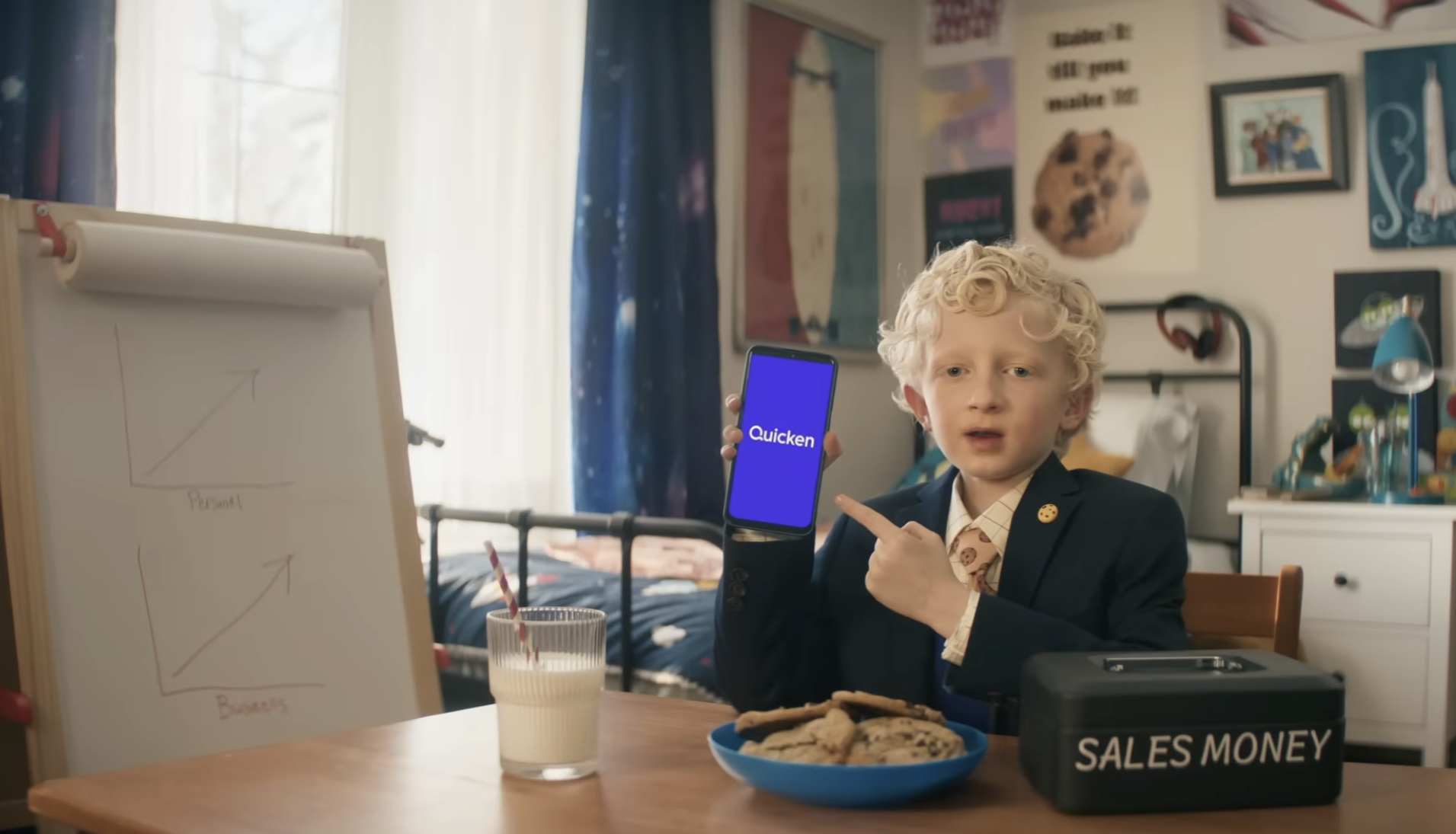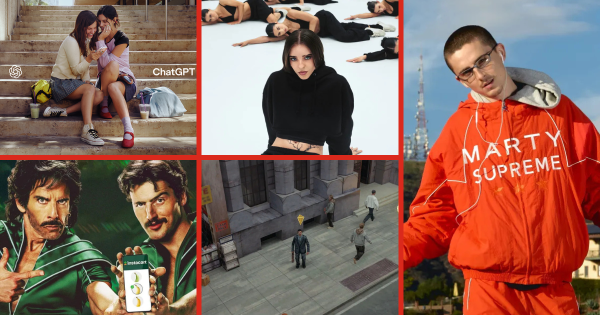
Look, you’re not going to find any of these award-baiting campaigns plastered across your TikTok feed any time soon. That’s not the point. The Cannes Lions, advertising’s glitzy answer to the Oscars, isn’t about mass appeal; it’s about influence. It’s where careers are made, brands get a massive ego boost, and a lot of people in the industry feel incredibly smart about themselves for a few days.
So, what does it mean for the rest of us, the ones actually paying for these ads? Well, it means the industry is still clinging to a familiar playbook: tell a story, tug at the heartstrings, and hope it resonates enough to justify the obscene amounts of money spent. This year, with AI huffing and puffing about its ability to churn out content at warp speed, the industry’s most influential players are doubling down on something decidedly analog: human emotion.
Is AI Really Changing Anything for the Viewer?
That’s the big question, isn’t it? We’re bombarded with AI-generated everything, from stock photos that look vaguely off to chatbot-written articles that lack any real soul. But when it comes to grabbing attention at a festival like Cannes, the consensus among the creative elite is a resounding ‘no.’ They’re picking campaigns that lean into the messiness of being human. Think lo-fi video games that feel almost nostalgic, darkly funny musicals that poke fun at societal absurdities, or movie marketing that’s so meta it makes your head spin.
It’s a predictable move, really. When technology threatens to commoditize creativity, the most talented folks retreat to what they do best: crafting experiences that feel authentic and deeply personal. It’s the advertising equivalent of a Michelin-starred chef going back to hand-foraging mushrooms when a factory offers to mass-produce synthetic truffle oil.
“The work predicted to win shares a common thread: human feeling and craft are elevated above technological innovation.”
This sentiment from the original report pretty much sums it up. While AI can generate stuff, it can’t (yet, anyway) replicate the nuanced understanding of human psychology that drives truly memorable advertising. And who is actually making money here? The agencies and clients who win these awards, of course. It’s about prestige, about attracting new business by showing off how clever they are, even if the actual ads don’t necessarily connect with the average Joe on the street.
Why Does Cannes Still Matter in 2026?
Because it’s a self-perpetuating machine. Awards breed prestige, prestige attracts talent and clients, and that cycle fuels more awards. Even as the digital landscape splinters and attention spans shrink, Cannes remains a gravitational center for the advertising world’s elite. It’s where the industry signals what it values, and this year, it’s signaling a return to human-centric storytelling.
This isn’t to say AI isn’t a factor. It’s definitely changing how ads are made. Automation can speed up production, optimize targeting, and even generate variations. But as these creative leaders are pointing out, the soul of the ad – the spark that makes people feel something – still needs a human hand. It’s the difference between a perfectly engineered replica and an original masterpiece. One is technically flawless, the other is alive.
So, while AI might be busy writing its own future, at Cannes Lions 2026, it’s the old-fashioned, human-powered stories that are expected to take home the gold. It’s a reminder that beneath all the algorithms and data streams, people still crave connection, humor, and a good darn story. And that, my friends, is something AI can’t easily replicate. Or at least, that’s what the people selling creative services want you to believe. Makes sense, right? Why would they bet on a machine when they’ve spent their careers perfecting the art of human persuasion?
Here’s a look at the types of campaigns that are getting buzz, according to those in the know:
- Meta-Movie Marketing: Ads that play with the very concept of filmmaking, blurring lines between content and promotion. Think trailers for trailers, or interactive experiences that mimic movie production.
- Darkly Funny Musicals: Embracing the power of music and humor to tackle serious or taboo subjects, creating memorable and shareable moments.
- Lo-Fi Video Games: Leveraging nostalgic or deliberately low-fidelity aesthetics to evoke a sense of authentic fun and engagement, often for brands that want to appear approachable and unpretentious.
This emphasis on craft and emotion is a fascinating counterpoint to the relentless march of technological advancement. It suggests that for all the talk of disruption, the core of advertising — understanding and connecting with people — remains remarkably consistent.