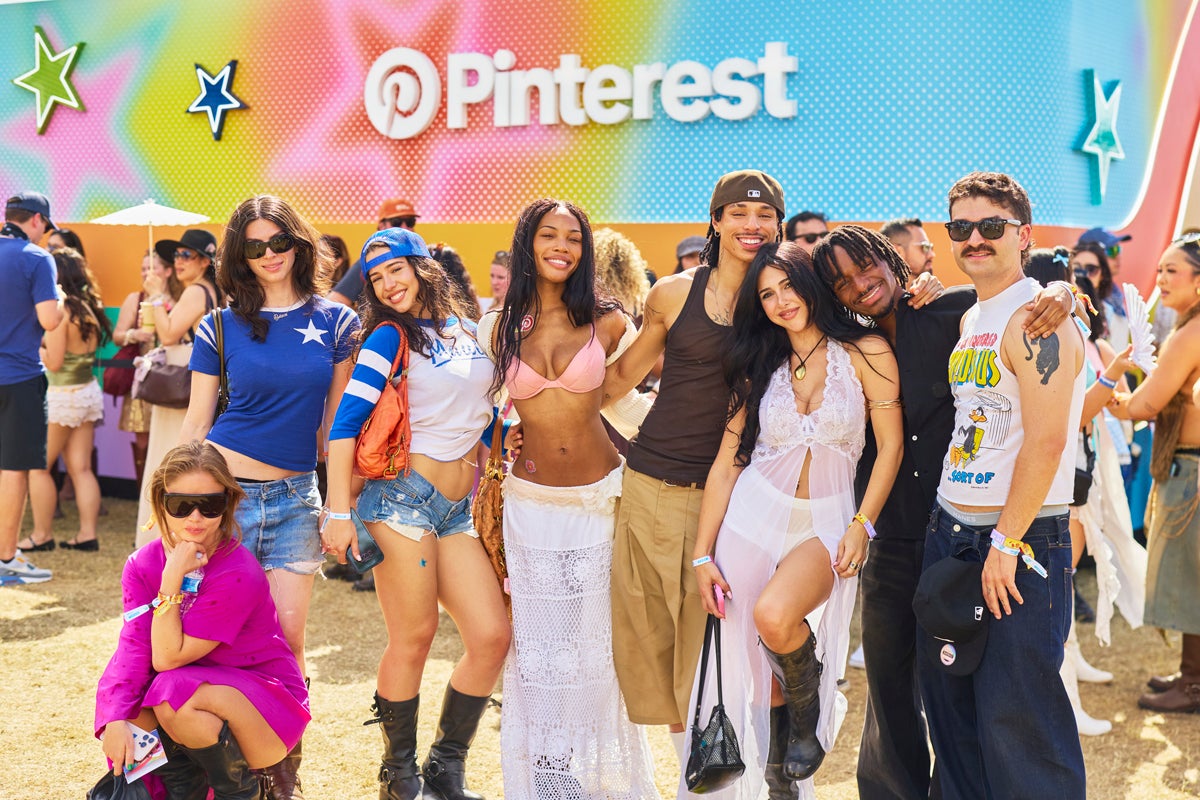
Coachella 2026. The air in Indio, California, hummed not just with the thrum of bass lines and the murmur of crowds, but with the insistent, perfectly calibrated buzz of brands vying for attention. While Sabrina Carpenter, Justin Bieber, and Karol G held court on the main stages, the real fever pitch was happening in the branded enclaves scattered across the Empire Polo Club and its periphery. Everyone expected a big brand presence, that’s a given for Coachella. But this year felt different. This was less about a quick logo slap and more about deep, immersive experiences designed to cut through the noise and burrow into the collective consciousness of festival-goers.
From the strategic placement of airport activations and billboards along the sun-baked routes to the meticulously curated off-site soirées and the on-site activations themselves, two dozen brands didn’t just attach themselves to this pop-culture juggernaut; they became an integral, if sometimes jarring, part of the landscape. We’re talking about the splashy private affairs like Neon Carnival and Zenyara Desert Nights, and the influencer-baiting epicenter that is Revolve Festival. It’s an arms race, frankly, for cultural relevance.
Beyond the Stage: How Brands Hijacked Coachella’s Vibe
This year’s Coachella, a sprawling affair held across two weekends in April, was, to put it mildly, overflowing with brand activity. The dominant themes? DIY customization, the siren song of spicy food and beverages, the evergreen pursuit of self-expression, a heavy dose of wellness, and, of course, strategically placed pit stops for hydration and Instagram fodder. If one were to detail every single activation, well, we’d probably still be here next April, nursing a mild dehydration and a potent sense of sensory overload.
The sheer volume suggests a fundamental shift. Brands aren’t just sponsoring; they’re attempting to be the experience. They’re carving out their own festivals within the festival, offering curated moments that are often more accessible and memorable than the main event itself.
818 Tequila’s Outpost: The Art of the Sponsored Soirée
Take 818 Tequila’s annual Outpost, presented this year by Cash App. It wasn’t just a party; it was a carefully orchestrated ecosystem. Live performances by artists like Kaytranada and Lizzo set the mood, while specialty cocktails flowed freely. But the real genius lay in how 818 managed the ambiance and guest list, then delegated the heavy lifting of engagement to its partners. Cash App activated poolside touchpoints around its “pools” feature, Postmates resurrected its beloved Pit Stop food garden, and Snapchat offered a custom photo booth with branded lenses alongside a DIY keychain station. Khloud even set up a casino-themed activation for prize giveaways. HydroJug let attendees personalize tumblers, and Rhode, the skincare brand, made headlines with its Caramelized Banana Carajillo drinks, which, in a stroke of genius, came with a peptide lip treatment attached. That’s not just marketing; that’s product placement disguised as a delightful treat.
The strategy here is clear: use a popular brand’s existing clout and then layer in complementary partners to amplify the experience. It’s a masterclass in co-creation, where the host brand provides the canvas, and the sponsors paint the picture.
Absolut’s Heat Haus: Tapping into the Desire for a Kick
Absolut, a perennial fixture, returned with its Heat Haus, an experience that cranked up the heat with vibrant red decor, live music, themed photo ops, and, naturally, zesty cocktails. Their Absolut Spicy Lemonade and Absolut Pina Picante Vodkarita were hits, and the brand extended its fiery theme to Palm Springs with the Absolut Hottest Brunch: Desert Edition, complete with spicy drinks, bites, and DJ sets. What’s particularly interesting here is Absolut’s apparent recognition of a cultural shift.
Gen Z may be drinking less alcohol than previous generations, but Absolut appears to be making up for the loss by tapping into cultural trends, including consumers’ growing desire for cocktails with a kick, and daytime-based social drinking occasions.
This isn’t just about selling vodka; it’s about aligning with a broader consumer trend towards bolder flavors and more social, daytime experiences. Absolut isn’t just selling a drink; it’s selling a vibe, a taste, and a moment.
Airbnb’s Fan-Centric Approach: Collaborating with the Star Power
Airbnb’s activation with Coachella headliner Sabrina Carpenter, dubbed “Sabrina’s Pit Stop,” was a masterclass in fan-centric marketing. Located just off the beaten path, this glittery pop-up wasn’t an over-branded affair. Instead, it was a carefully curated extension of Carpenter’s own aesthetic. Photo moments, sparkly props, a custom slushie station with unique flavors, candy-inspired art, and limited-edition merch were all designed to feel authentic to the artist and her fans. The inclusion of her music video’s pink van was a particularly clever touch, adding a layer of insider knowledge that resonated deeply.
This tactic underscores a crucial evolution in experiential marketing: authenticity. Fans, especially younger demographics, can spot a disingenuous activation a mile away. By centering the experience around an artist they already love, Airbnb bypassed the usual brand-heavy pitch and created genuine emotional resonance. It’s about aligning with existing fandom, not trying to manufacture a new one.
Alaska Airlines: Elevating the Journey, Literally
Alaska Airlines, the official airline of Coachella, took attendees on a literal journey with its “Alaska Airlines House.” This immersive experience featured giant inflatable clouds and mirrored, LED-lit tunnels designed to simulate the sensation of flight. The brand cleverly used this space to showcase its newest global destinations—London, Rome, Tokyo, and Seoul—with thematic vignettes, including a melting London phone booth and towering Tokyo-inspired telephone poles. Attendees could even sample airline snacks and beverages, access Wi-Fi, and catch celebrity appearances.
But the real masterstroke for Alaska Airlines was its loyalty play. Rewards members gained exclusive access to a dedicated lounge and a daily happy hour called the “Cloud Social.” Here, they could snag colorful orbs from a lotto-ball-like machine for a chance to win premium prizes, including VIP festival upgrades and roundtrip tickets. This isn’t just about brand awareness; it’s about reinforcing and rewarding existing customer relationships. It’s a tangible demonstration of value for their most engaged customers.
The Undercurrent: A New Era of Brand Immersion
What all these activations point to is a fundamental architectural shift in how brands are approaching consumer engagement, especially at large-scale cultural events. It’s no longer enough to simply sponsor. The expectation is immersion.
This year’s Coachella marked a significant pivot from passive sponsorship to active, participatory brand experiences. Brands are no longer content to be background noise; they are actively architecting moments designed to elicit specific emotional responses and create lasting memories. The emphasis has shifted from simply being seen to being experienced. This requires a deeper understanding of the target audience’s desires, cultural touchpoints, and even their personal fandoms.
The takeaway for any brand looking to make an impact at future events is this: you have to build a world. It needs to be visually arresting, emotionally resonant, and, above all, authentic to the spirit of the event and the people who attend it. The desert might be a blank canvas, but these brands painted masterpieces of engagement. We’re just beginning to see the full implications of this strategy.
🧬 Related Insights
- Read more: Creators Priming Sales: The Missing Link in Measurement Solved?
- Read more: What is Programmatic Advertising?
Frequently Asked Questions
What is the primary goal of these brand activations at Coachella?
The primary goal is to create memorable, immersive experiences that foster emotional connections with consumers, drive brand awareness, and encourage social sharing, ultimately aiming to deepen customer loyalty and influence purchasing decisions.
Will this level of experiential marketing become the norm for all major events?
While the trend towards high-impact experiential marketing is growing, the scale and investment required mean it’s likely to remain most prevalent at major, culturally significant events like Coachella. However, the core principles of authenticity and immersion are increasingly being adopted across various marketing initiatives.
How do brands measure the success of these Coachella activations?
Success is measured through a combination of factors, including social media engagement (mentions, shares, user-generated content), media impressions, on-site attendance and participation, lead generation (where applicable), and post-event surveys to gauge brand perception and recall. Loyalty program engagement is also a key metric for brands like Alaska Airlines.