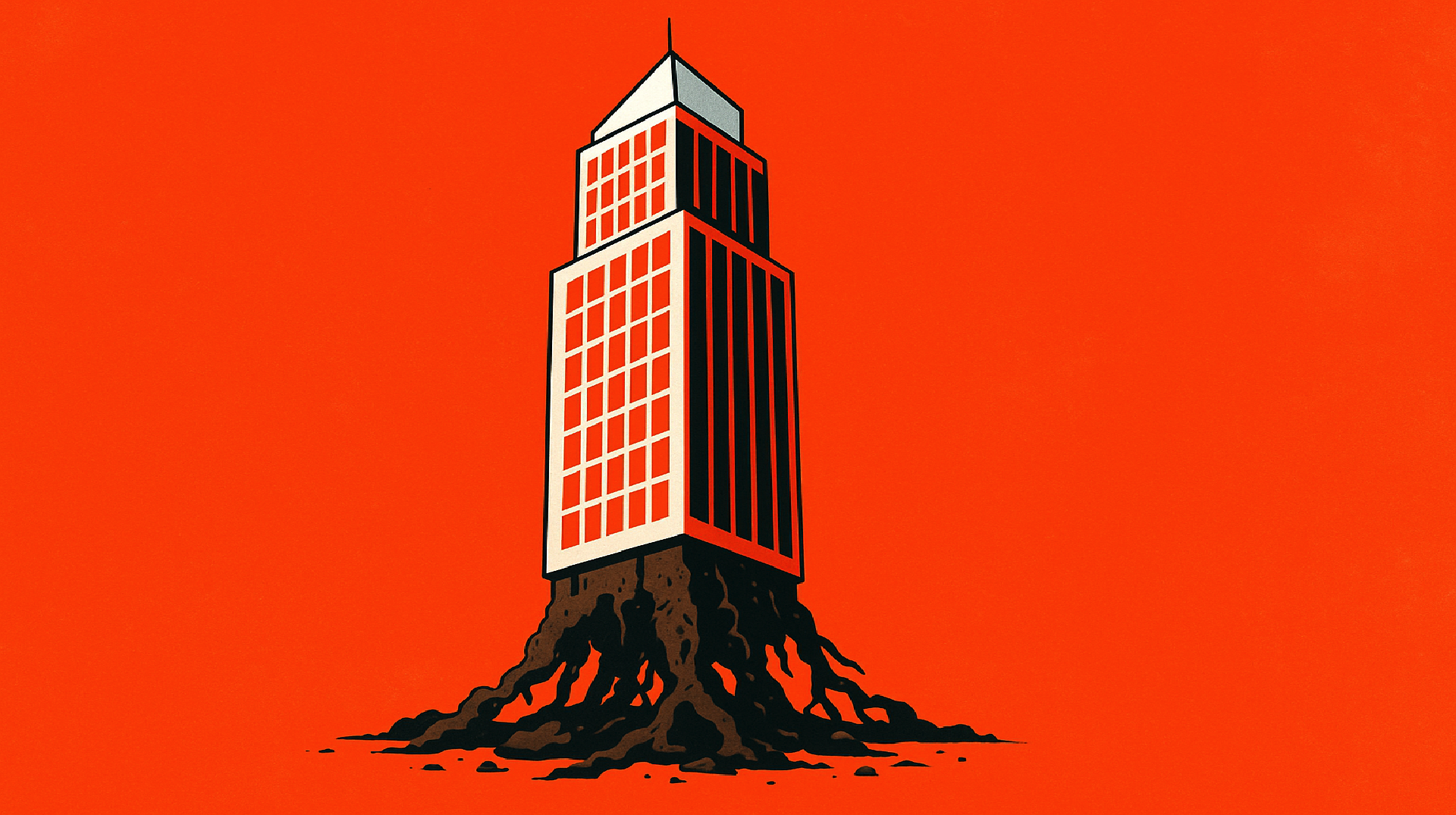
The hum of servers, the glow of screens – it’s the sound of ambition. CMOs are undeniably leaning into artificial intelligence, their budgets reflecting a fervent belief in its transformative power. But what happens when the shiny new AI tools arrive at a company that hasn’t even built the right workbench?
A recent Gartner survey paints a vivid picture of this disconnect, revealing that while CMOs are allocating a significant chunk of their budgets – an average of 15.3% – to AI initiatives, a staggering majority (nearly 70%) admit their organizations lack the mature processes and infrastructure to scale these investments successfully. It’s like buying a state-of-the-art telescope without knowing how to point it at the stars, let alone interpret what you see.
The AI Readiness Chasm
This isn’t just a minor hiccup; it’s becoming a defining tension in modern marketing. Gartner’s findings underscore a fundamental truth: the race for AI dominance isn’t just about acquiring the latest algorithms or platforms. It’s about building the operational DNA to support them.
“CMOs recognize AI’s potential as a force multiplier for growth, efficiency, and transformation, but most marketing organizations are not yet built to capture that value,” Ewan McIntyre, VP analyst and chief of research in the Gartner Marketing practice, stated in the survey’s release. That’s the blunt truth. Companies are acquiring the engine of a rocket ship, but they’re still sketching out the blueprints for the launchpad.
We’re talking about a lack of governance structures, data foundations that are more like sandcastles than bedrock, workflows that are tangled spaghetti, and talent models that are stuck in the digital dark ages. The result? AI tools get deployed, sure, but integrating them into repeatable, measurable business processes? That’s where the wheels often come off.
The Winners Are Already Ahead
It’s illuminating to see who’s actually getting this right. Gartner points out that organizations boasting mature AI readiness are dedicating significantly more – 21.3% – of their marketing budgets to AI. These are also typically the companies with larger overall marketing budgets, a sign that they’re investing holistically, not just in AI in isolation. They’re pairing their AI spending with genuine operational discipline, showing a foresight that separates them from the pack.
This isn’t just about throwing money at a problem. It’s about strategic integration. The companies that are further along in their AI journey aren’t just buying tools; they’re re-engineering their entire marketing ecosystem to accommodate and amplify AI’s capabilities. They understand that AI is less a standalone product and more a foundational layer that requires a complete organizational shift.
Budgets Tight, Expectations High
The broader marketing budget landscape isn’t exactly flush with cash. Overall marketing spend saw only a marginal rise, from 7.7% to 7.8% of company revenue. Add to this the fact that a majority of CMOs still feel they lack sufficient budget and resources to execute their strategies, and you’ve got a recipe for tough choices. Where does AI fit when every dollar is scrutinized?
This forces CMOs into a difficult balancing act: cutting programs, automating workflows, and identifying where AI can realistically deliver efficiency or performance gains. The hitch? AI initiatives often demand a broader organizational metamorphosis than many companies are prepared for. They’re looking for a magic wand, but what they really need is a complete architectural overhaul.
The martech world is rapidly evolving, and the competitive edge is shifting. It’s no longer just about accessing sophisticated AI models – most enterprises can now procure similar capabilities. The real differentiator? How effectively companies can weave these tools into their data, operations, processes, and, most importantly, their people. The AI battle is morphing from a tech challenge into a management and organizational design puzzle.
The Survey Says
This Gartner survey, conducted between January and March 2026, polled 401 CMOs and senior marketing leaders in North America and Europe, primarily from companies exceeding $1 billion in annual revenue. This gives us a solid, high-level view of where enterprise marketing leaders stand on AI adoption and readiness.
🧬 Related Insights
- Read more: Brand Safety and Ad Verification: Protecting Your Brand Online
- Read more: Brands Flunk Personalization: Data Chaos Reigns
Frequently Asked Questions
What does “AI readiness” mean for marketing organizations? AI readiness refers to an organization’s capacity to effectively implement, scale, and benefit from AI technologies. This includes having mature data infrastructure, well-defined governance structures, integrated workflows, and skilled talent. It’s about being prepared to operationalize AI, not just acquire the tools.
Will AI replace marketing jobs? Gartner’s findings suggest that the immediate challenge isn’t job replacement, but rather job evolution and the need for new skills. While AI can automate tasks, it also creates demand for roles in AI management, data science, and strategic implementation. Organizations that fail to adapt their infrastructure and talent will struggle to use AI, potentially impacting their competitive standing and, by extension, job security.
How can CMOs bridge the AI readiness gap? Bridging the gap requires a strategic, top-down approach. CMOs need to prioritize building strong data foundations, developing clear governance policies, redesigning workflows for AI integration, and investing in talent development. It’s about viewing AI not as an add-on, but as a core component of the marketing operating model, necessitating a holistic organizational change effort.