Here’s a number that’ll make you raise an eyebrow: 85%. That’s the percentage of marketers who, according to one recent survey, feel overwhelmed by the sheer volume of data available. Eighty-five percent. Think about that. It’s like being handed a library card and told to build a spaceship. And yet, here we are, being told that the answer isn’t less data, but more data, layered more intricately, to forge these magical ‘genuine audience connections.’
Forgive my cynicism, but after two decades covering this relentless churn of Silicon Valley buzzwords, I’ve learned to approach such pronouncements with a healthy dose of skepticism. ‘Genuine connections’ sounds nice, doesn’t it? It conjures images of brands acting like trusted friends, understanding your deepest desires before you even articulate them. But let’s be honest, how many of us feel genuinely connected to a brand that just served us an ad for something we Googled once three months ago? It feels less like a connection and more like a digital stalker with excellent recall.
The ‘Layered Data’ Mirage
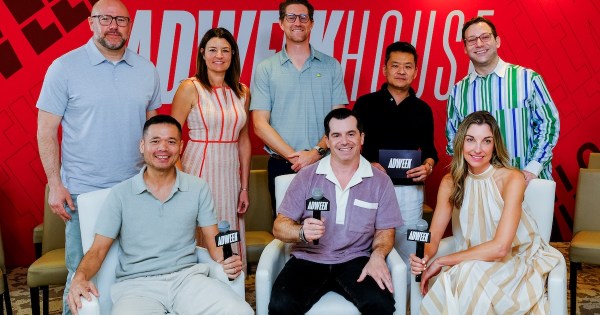
During a recent ADWEEK event, ostensibly about forging these deep bonds, the discussion inevitably circled back to data. Adam Goldsmith from Inmar Media chirped about how ‘when you layer on multiple pieces of data, you’re able to really build a stronger foundation of your audience.’ And Mark Bietz of HalloweenCostumes.com chimed in about how Meta and TikTok let ‘creative do the targeting for you’ by identifying those Instagram moms who want the perfect family photos. It’s a slick operation, no doubt. Identify the demographic, let the algorithm serve them ads, and then serve them more ads based on their engagement. It’s a closed loop of observation and persuasion.
But let’s call a spade a spade. This isn’t about building a friendship. It’s about becoming exceptionally good at predicting what you’re going to buy next. And the tightrope walk, as Goldsmith himself admitted, is between this hyper-targeting and not coming off as ‘overly creepy.’ It’s a fine line, and frankly, the tech industry has a notoriously poor track record of staying on the right side of it.
Kelsey Agostinelli from Mars invoked the idea of ‘co-creating’ with communities, bonding over shared experiences with pets. Sounds warm and fuzzy. But underneath, it’s still about gathering insights, understanding motivators, and then tailoring marketing efforts. The goal remains the same: sell more pet food. Authenticity, in this context, often means making the delivery of the sales pitch feel less like a pitch.
Don’t Forget the Old-School Creeps (I Mean, Connections)
Oddly enough, amidst the data worship, a few voices dared to suggest that maybe, just maybe, actually talking to people could be beneficial. Melissa Levy from Sparks lamented how brands have ‘relied on the data so much’ and championed the ‘old school’ methods of surveys and direct conversations. It’s a quaint idea, isn’t it? Asking people what they want instead of inferring it from their digital footprints.
Gregg Molander from AARP shared a story about The Ethel, a newsletter that birthed an offline community. This community then grew organically, leading to events in 48 states. This, he presented as an example of ‘listening to what our audience is saying.’ And sure, listening is good. But the underlying mechanism here isn’t some revolutionary AI. It’s human desire for connection, amplified by a platform that facilitated it. The brand acted as a catalyst, not a puppet master.
And then there’s Hudson Yards, investing millions because customers complained that the indoor experience was lacking when it rained. This is perhaps the most straightforward example of acting on feedback. It’s not subtle data layering; it’s direct human complaint leading to direct business investment. You listen, you act. Simple. Or is it?
So, Who’s Actually Making Money Here?
The underlying question that always lingers, the one that rarely gets a direct answer in these industry panels, is: who is actually making money here?
Is it the brands who are trying desperately to cut through the noise and connect with an increasingly bombarded consumer? Or is it the platforms, the data brokers, the MarTech stack vendors, all selling the promise of ‘connection’ through ever more sophisticated (and expensive) data analysis and targeting tools? My money is on the latter.
The tech that enables this ‘data layering’ is the true engine. Companies like Inmar Media, Meta, TikTok, and the whole universe of adtech and martech providers are the ones benefiting most directly from the perpetual chase for audience understanding. They sell the tools, they sell the access, they sell the insights. The brands are the ones paying for the privilege of knowing their customers a little too well, hoping it translates into sales before the consumers get too creeped out and go elsewhere.
This isn’t about a revolutionary shift towards genuine connection. It’s about the optimization of existing models. We’re not moving toward a more human future; we’re just getting better at automating persuasion. The ‘art’ that Garrett Dale mentioned—the part that makes sense of it all—is increasingly being handed over to AI. And AI, bless its algorithmic heart, doesn’t understand genuine connection. It understands patterns, probabilities, and conversion rates.
So, next time you hear about ‘genuine audience connections’ built on layered data, remember the 85%. Remember the inherent creepiness of being known too well. And ask yourself: who is this really for? The consumer, or the company that just sold another layer of data?