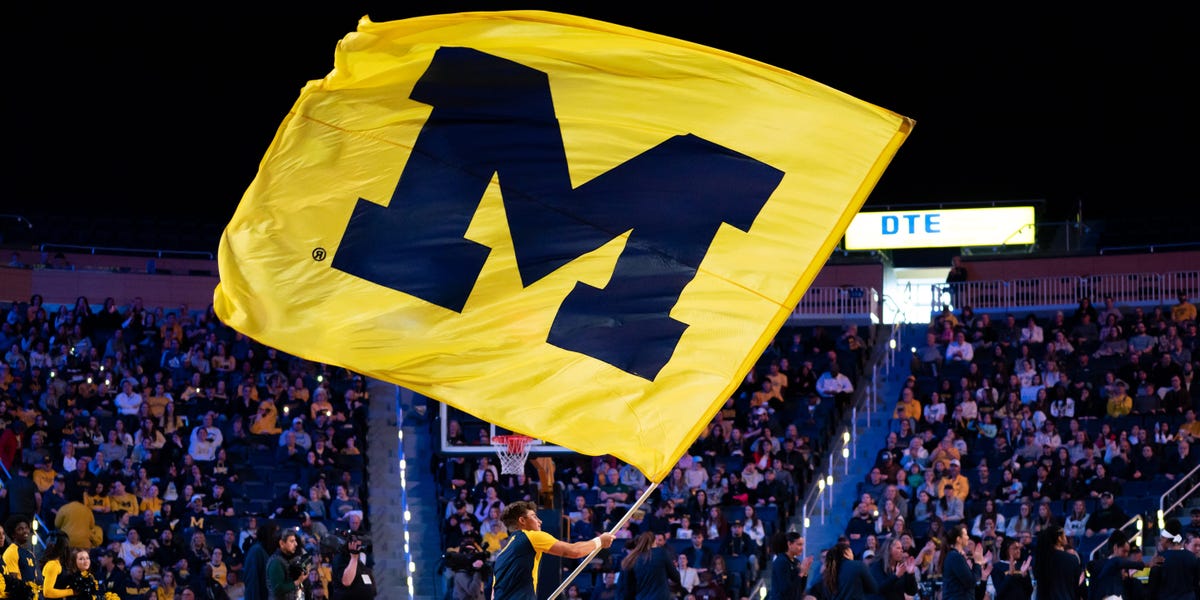
Everyone expected institutions to shuffle billions around in the AI gold rush, of course. That’s the playbook for endowments, right? But what’s truly shifted the narrative isn’t just the scale of investment, it’s the sheer audacity of an early entry and the mind-boggling potential return. The University of Michigan didn’t just dip a toe; they dove headfirst into the OpenAI pool when it was still a murky, relatively unproven pond.
This $20 million investment, unearthed in court documents related to the Elon Musk-Sam Altman saga, paints a picture of foresight that borders on uncanny. Michigan’s endowment put its money down before Microsoft committed billions, before ChatGPT became a household name, and before the entire tech world collectively gasped at the pace of generative AI’s ascent. We’re talking about a target redemption amount of $2 billion. Two. Billion. Dollars. That’s a 100x return on paper, a figure that makes even the most seasoned VCs raise a skeptical eyebrow, then a very impressed one.
The Strategic Ante: Getting In Early
What’s fascinating here is the timing. The University of Michigan’s stake was part of an early funding round that also saw participation from heavy hitters like Khosla Ventures and Reid Hoffman’s Aphorism Foundation. These weren’t small fries; these were players who understand the early-stage tech game. Yet, even for them, Michigan’s early entry — alongside a Y Combinator fund and even Paul Buchheit’s trust (yes, the Gmail guy) — predates the industry-altering $1 billion Microsoft injection in 2019. This isn’t just about having deep pockets; it’s about recognizing a nascent, world-changing technology before the crowd catches on.
The document itself suggests a tiered payout structure where early investors like Michigan are prioritized above later entrants, including Microsoft. This structure, coupled with inflation adjustments on those “target redemption amounts,” solidifies the university’s advantageous position. It’s a stark reminder that sometimes the biggest wins don’t come from chasing the hype, but from identifying the foundational shifts before they’re obvious.
Is This the New Endowment Playbook?
It’s certainly not uncommon for university endowments, flush with tens of billions like Michigan’s $21.2 billion valuation, to engage with venture capital and private equity. That’s standard operating procedure. But a direct, significant stake in a company like OpenAI? That’s rarer, suggesting a more direct, hands-on approach to allocating capital. Dan Feder, who heads up the university’s VC and PE investments, has spoken about the importance of investing in the “underlying companies that really matter” rather than just fund managers. This Michigan-OpenAI deal seems to be a poster child for that philosophy.
It’s hard not to draw parallels with other legendary early-stage wins. Remember that Catholic high school in the Bay Area that reportedly netted $24 billion from Snap’s IPO? These outlier stories aren’t just feel-good anecdotes; they represent a fundamental truth of investing: the first movers often reap the most astronomical rewards, especially when they back something that truly redefines an industry. OpenAI, with its seismic impact on AI, certainly fits that bill.
While the document is unclear about the exact terms of Michigan’s stake, the university is sitting pretty. When it contributed $20 million, it set a “target redemption amount” of $2 billion. That’s how much the university aims to earn back from OpenAI.
My unique insight here? This isn’t just about a smart financial play; it’s a potential case study in institutional foresight that will be dissected for years. While much of the public discourse focuses on the immediate ChatGPT frenzy, Michigan was playing a longer game, identifying the infrastructure of the future. This kind of deep-dive conviction, backed by significant capital, is what separates a good endowment from a truly transformational one.
The $2 Billion Question: What Does This Mean?
Beyond the eye-watering numbers, this reveal raises questions about how other institutions will react. Will we see more direct investments into high-conviction AI startups, bypassing traditional VC funds? Or is this a rare unicorn event, a serendipitous alignment of timing, capital, and visionary leadership? The latter is more likely, but the potential for similar, albeit smaller, wins could certainly encourage more aggressive, direct participation in the next wave of foundational tech.
It’s a powerful signal to the market, a proof to the outsized returns that early conviction can unlock. For OpenAI, it’s validation from sophisticated investors. For the University of Michigan, it’s a potential windfall that could reshape its endowment for generations.
🧬 Related Insights
- Read more: Amazon Data Hits Netflix UK Inventory May 18
- Read more: TiVo Ads: Owning the TV Home Screen’s First 5 Seconds
Frequently Asked Questions
What does OpenAI’s “target redemption amount” mean? It refers to the pre-defined amount an investor expects to receive back from their investment, often including principal and a projected return, with specific terms often tied to company milestones or liquidity events.
Will the University of Michigan actually get $2 billion from OpenAI? The $2 billion is a “target redemption amount” disclosed in a court exhibit. The actual return will depend on OpenAI’s financial performance, valuation, and any future liquidity events like an IPO or acquisition. It represents their desired outcome, not a guaranteed sum.
How did a university endowment get such an early stake in OpenAI? University endowments often invest in venture capital and private equity funds, but direct stakes in promising early-stage companies are also part of their strategy. Michigan’s investment indicates their team identified OpenAI as a high-potential company worth direct capital allocation.