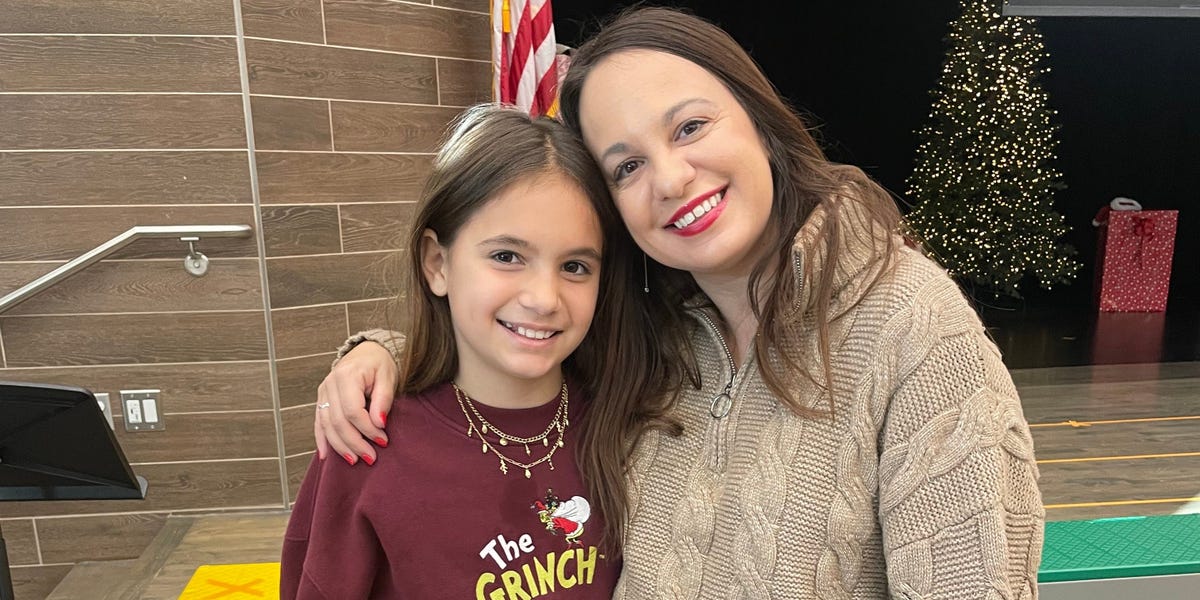
The fluorescent hum of the cafeteria. The clatter of trays. And a parent, a welcome anomaly, sitting elbow-to-elbow with their child. It’s a scene that, for many, is already fading into memory.
My youngest is heading to middle school. Which means the end of my elementary school lunch privileges. And frankly, I’m a bit gutted.
It’s a simple program, really. Schools send out newsletters. Parents RSVP. You check in at the front desk, slap on a visitor sticker, and find a seat at a designated table. Sometimes it’s inside, surrounded by the organized chaos of 300 kids. Other times, weather permitting, you head outside to picnic benches or even lawn chairs. Easy. Almost ridiculously so.
But don’t mistake ease for insignificance. For a newly divorced mom, those 36-minute lunchtime interludes were more than just a break from work. They were lifelines.
When your world feels like it’s been shattered, and Sunday goodbyes leave you hollowed out, these snatched moments offer a vital, tangible connection. A chance to look your kid in the eye, to share a laugh over a soggy sandwich or some questionable cafeteria fare, to offer a quick hug. It was a small act of defiance against the crushing weight of separation.
It was a statement: I’m here. I’m present. I still love you.
And the kids? They looked forward to it too. Before the tyranny of smartphones, I’d improvise. A surprise Chick-fil-A for my son. A specific grilled cheese for my daughter. Once phones entered the equation, it was a quick text: “Mom’s coming. What do you want?” Then came the whispered plans, the shared bites, the tales of playground dramas and upcoming tests.
It was a space to breathe, to just be with them, away from the demands of school and the complexities of co-parenting. A space to catch not just their words, but the subtle currents of their moods. A quiet confirmation that, despite everything, we were still a unit, however fractured.
Sure, it required a bit of juggling. Leaving projects. Grabbing food. Racing to campus before the bell rang for recess. Sometimes I’d see both kids on the same day, a logistical feat. Other times, it was a rotating schedule, one child per week.
And as they got older, I worried. Would they be mortified? A mom hovering in the cafeteria? Turns out, no. Our lunches persisted, right through fifth grade. A quiet proof to the enduring power of simple, consistent connection.
Now, my daughter’s middle school years loom. The visitor stickers are history. The reserved tables, a distant memory. It was just lunch, yes. But it was also everything.
The Hidden Value of School Cafeteria Visits
This seemingly minor school policy – allowing parents into the cafeteria for lunch – taps into something profound. It’s not just about providing food; it’s about fostering connection. In an age where parental engagement is increasingly digitized, these in-person interactions offer an irreplaceable grounding. They allow parents to observe their children’s social environments firsthand, to gauge their well-being beyond report cards, and to build a more strong, in-person relationship.
Think about it historically. Before widespread divorce and dual-income households became the norm, parents were naturally more present in their children’s daily school lives. This program is a small, but significant, echo of that era. It’s a deliberate, albeit often unstated, effort to combat the growing distance that modern life can impose between parents and their children’s educational journey. And its absence will be felt keenly by those who have come to rely on it.
Will Other Schools Adopt This Policy?
It’s a shame this isn’t a universal offering. The logistical hurdles for schools are minimal, and the emotional return for parents and, arguably, children, is immense. While privacy concerns and staffing issues might deter some institutions, the success stories – like this one – highlight the potential benefits. One can hope that as more parents express a desire for such intimate touchpoints, schools might reconsider their policies and embrace the simple, yet powerful, act of sharing a lunch table.
🧬 Related Insights
- Read more: Identity Resolution in Advertising: Connecting Users Across Devices and Channels
- Read more: Americans’ Finances Worse Than Any Point in 25 Years
Frequently Asked Questions
What is the benefit of parents eating lunch with their children at school? Parents eating lunch with their children at school offers a unique opportunity for connection, observation, and a tangible sense of presence, especially valuable during times of family transition or for maintaining strong parent-child bonds.
Is it common for elementary schools to allow parent lunches? No, it’s not a universal policy. Many elementary schools have policies that restrict parent access to the cafeteria for logistical, safety, or privacy reasons, making schools that allow it a notable exception.
How do parent-teacher conferences compare to school lunches? Parent-teacher conferences focus on academic progress and behavioral reports, typically with a school representative. Parent lunches are informal, personal interactions with the child in their school environment, offering a different, more intimate, perspective on their day.