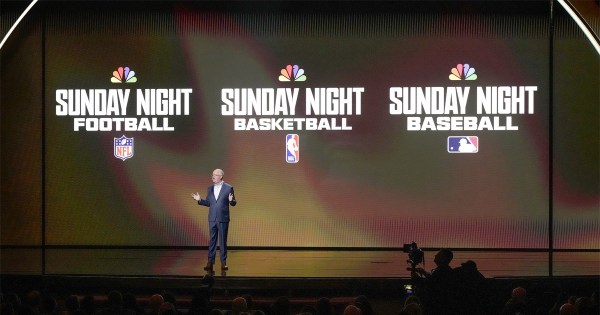
So, what does this all mean for the actual people who have to watch these ads? NBCUniversal just wrapped up a big song-and-dance at Radio City, trying to convince advertisers that their sprawling empire of content—from high-octane movie tie-ins to reality TV stalwarts and, yes, even late-night talk shows—is still the place to be. Mark Marshall, the man in charge of getting brands to open their wallets, certainly sounded enthusiastic. He’s out here telling anyone who’ll listen that brands are “clamoring” for late-night TV, even as some of those very shows are facing, shall we say, interesting times.
Marshall’s big pitch? A unified front. “With one singular buy,” he declared, you can snag entertainment, news, sports, in English or Spanish, broadcast, cable, and streaming. Sounds neat, right? It’s the classic “bundle” argument, just dressed up in a 100th-anniversary party hat for NBC. They’re touting their new Performance Insights Hub, promising data that finally bridges the gap between linear TV and streaming. According to Marshall, if you’re only looking at streaming in isolation, you’re “missing three out of four impressions.” Bold claim. Let’s hope it’s backed by more than just a glossy slide deck.
So, About That Late Night Demand…
Here’s the thing: Marshall spent a chunk of his post-event chat with ADWEEK pushing the narrative that late-night TV is alive and kicking, despite headlines. He specifically mentioned Jimmy Kimmel facing heat and Stephen Colbert’s show winding down. Yet, he doubled down, stating brands are still lining up. It makes you wonder if he’s selling time slots or therapy sessions for nervous CMOs. Is it genuine demand, or is it the last gasps of a traditional model desperately trying to prove its continued relevance in a fragmented, attention-starved world?
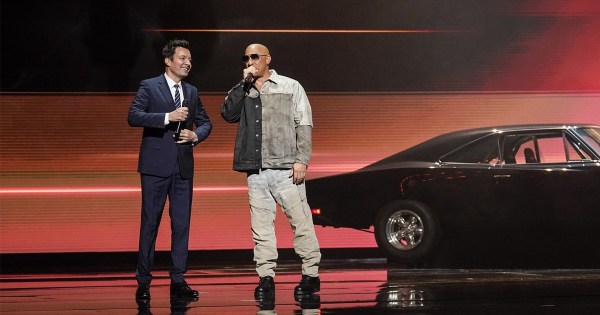
Think about it. We’ve got Vin Diesel on stage announcing Fast & Furious spinoffs for Peacock. That’s the shiny object, the big splash. But the real meat of the conversation, for those of us watching the money flow, is whether these traditional ad buys still command the premium they once did. Marshall claims yes. He’s leveraging the “legendary February” focus from last year to emphasize a return to roots, which, in this context, seems to mean a renewed faith in the old guard.
“If people are really just looking at streaming in isolation, even in the premium video marketplace, they’re missing three out of four impressions.”
This quote from Marshall is the kind of line that gets repeated in boardrooms. It’s designed to make advertisers feel insecure about their current strategies. The implication is clear: stick with what NBCU offers, or you’re leaving money on the table. It’s a powerful message, but it relies heavily on the audience’s perception of what constitutes a “missed impression” versus a strategically placed ad that actually gets seen and acted upon. Frankly, in my two decades covering this stuff, I’ve seen enough “impressions” that feel more like background noise.
Is the Adtech Hub a Genuine Game-Changer?
NBCUniversal is touting its new Performance Insights Hub as a “true game-changer.” It’s meant to provide a unified view of advertising performance across both linear and streaming platforms. This is the holy grail for many advertisers grappling with the complexities of the modern media landscape. They want to know, definitively, where their money is going and what it’s achieving. If this hub can truly deliver on that promise—giving advertisers clear, actionable data that bridges the traditional and digital divides—then it’s certainly a significant development.
However, let’s not forget that adtech has a long history of promising the moon and delivering a slightly-less-dusty rock. Companies are always trying to find new ways to measure engagement and prove value, especially when a significant chunk of their revenue comes from legacy platforms. The fact that they’re pushing this adtech element to the front of their event is telling. It suggests they know the content alone might not be enough to secure the massive upfront commitments they’re looking for. They need to sell the how as much as the what.
And then there’s the Fast & Furious brand integration. Marshall mentioned they’re having those conversations now. This is where the real money is often made. It’s not just about placing a 30-second spot; it’s about weaving a brand so deeply into the narrative that it becomes part of the experience. It’s a sophisticated dance, and one that brands are increasingly willing to pay handsomely for, assuming the execution is right and the audience is engaged.
Ultimately, NBCUniversal is painting a picture of stability and integration. They’re celebrating their past while touting future-facing technology. Whether brands are truly “clamoring” for late-night TV or just responding to a compelling sales pitch remains to be seen. But for now, the message from NBCU is loud and clear: they believe the old ways, when mixed with new data, are still the best way to reach consumers.
🧬 Related Insights
- Read more: AI Search Benchmarking: Performance Metrics That Drive Visibility
- Read more: Elon Musk Ditches Massie Primary
Frequently Asked Questions
What is NBCUniversal’s Performance Insights Hub?
It’s a new adtech platform from NBCUniversal designed to provide advertisers with unified data across linear television and streaming platforms.
Are brands still investing in late-night TV?
NBCUniversal’s ad sales chief, Mark Marshall, claims that brands are indeed still actively seeking out advertising opportunities on late-night shows.