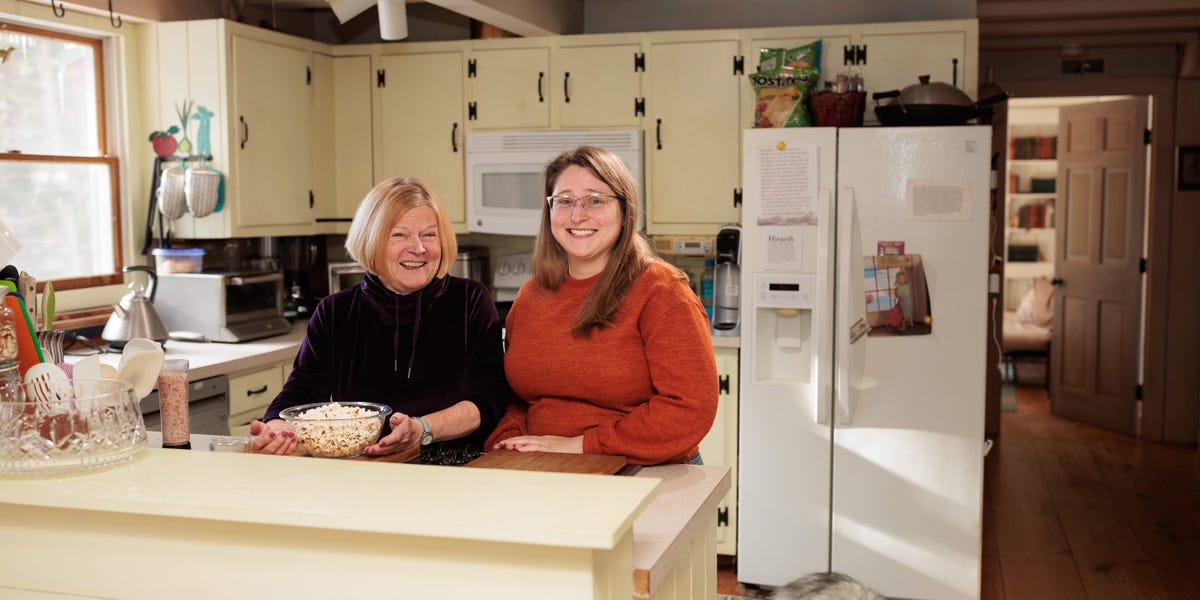
The market for affordable housing in many urban and even not-so-urban centers remains a crisis. Renting a room, even a shared one, can easily breach the $1,000 mark monthly. For many, particularly those taking pay cuts for mission-driven work, this presents an insurmountable barrier. This is precisely the predicament Kayla Mazza, a 31-year-old data analyst, found herself in after accepting a position at a Vermont nonprofit. The commute from her parents’ home was an hour each way, and local rental listings offered little solace.
Is This the Future of Housing?
Here’s the thing: Mazza wasn’t just looking for a roof over her head; she was looking for a sustainable solution. Her new job offered a lower salary than her previous role, disqualifying her from many standard leases. Then came the introduction to HomeShare Vermont, a nonprofit facilitating a different kind of cohabitation. It’s an arrangement that bypasses traditional rental metrics by creating a symbiotic relationship between older homeowners with spare rooms and younger individuals needing affordable lodging.
The core concept is simple, yet profoundly effective. Hosts gain financial support and assistance with daily tasks. Guests, in turn, secure lodging at a fraction of market rates. Mazza’s situation with her housemate, 77-year-old Honey Donegan, a part-time nanny, is a prime example. They settled on a $650 monthly rent, the upper limit HomeShare allows for such programs, plus a portion of utilities. This is a stark contrast to the over $1,000 she’d seen advertised for basic shared rooms, and it directly addresses the financial strain of an un Favorable job market for younger professionals.
Beyond the Transaction: A Human Connection
But this isn’t just about dollars and cents. The narrative around these arrangements often misses the deep human element. Mazza describes a genuine bond forming with Donegan, marked by shared routines like watching Jeopardy nightly and regular movie nights. It’s more than just a transaction; it’s a partnership.
Each party is vetted by the organization, and I was excited to be matched with Honey, a part-time nanny, who lives in a four-bedroom house in a homeowners’ association.
Mazza helps with pet care when Donegan travels, stacks wood in the winter, and generally contributes to the household’s upkeep. These aren’t professional caregiving duties, but rather informal assistance that lightens Donegan’s load and fosters a sense of community. It’s a practical application of intergenerational living, a concept often romanticized but rarely successfully implemented on a large scale. This model, however, demonstrates its viability when structured and supported by a mediating organization.
Why This Matters for AdTech
Now, why is AdTech Beat covering this? Because market dynamics don’t exist in a vacuum. The inability of a significant portion of the workforce—our target demographic for many advertising strategies, our potential future employees—to afford basic necessities like housing ripples through the entire economy. If analysts like Mazza can’t afford to live near their jobs, it impacts talent pools, local economies, and consumer spending power. This shared housing model, while specific to this particular situation, points to a broader societal adaptation driven by economic pressure. It’s a data point suggesting that traditional consumption patterns might shift if basic needs become unaffordable. Advertisers who ignore these underlying economic realities risk alienating or simply failing to reach large swathes of the population.
This isn’t just about one analyst and one homeowner. It’s a snapshot of a potentially growing trend. As housing costs continue their relentless climb, innovative solutions like HomeShare Vermont could become less of a niche experiment and more of a mainstream necessity. It challenges the very definition of what it means to be a ‘tenant’ or a ‘lodger,’ blurring the lines between housing and mutual support. For those in the ad tech space, understanding these emergent economic realities is not just good market analysis; it’s critical for strategic planning. Are we reaching a consumer base that’s increasingly prioritizing shared living and service-based exchanges over traditional, individualistic consumption? It’s a question worth asking.
🧬 Related Insights
- Read more: Daily Briefing: May 05, 2026
- Read more: Marketing’s Negativity Bias: Is Pessimism Costing Us?
Frequently Asked Questions
What is HomeShare Vermont? HomeShare Vermont is a nonprofit organization that matches older adults with spare home space with individuals seeking affordable housing, facilitating mutually beneficial living arrangements. Guests often provide assistance with household tasks in exchange for reduced rent.
Will this shared housing model become more common? Economic pressures, particularly rising housing costs and stagnant wages for many entry-level and mid-career professionals, suggest that such co-living and service-exchange models are likely to see increased adoption as people seek creative solutions to unaffordability.
What kind of help is expected from guests? Guests are not considered professional caregivers but may assist with tasks such as pet care, grocery shopping, light housekeeping, running errands, or providing companionship, as agreed upon with the homeowner. The level of assistance varies based on the specific match and the host’s needs.