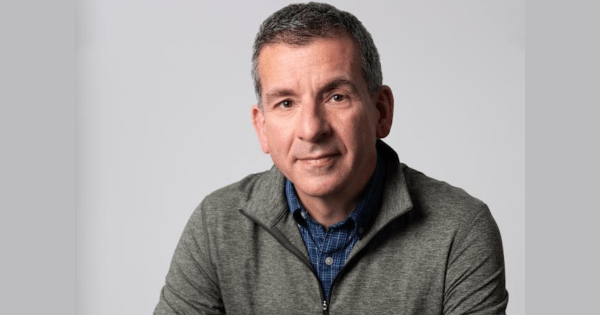
Is the pharmaceutical advertising industry bracing for impact, or is it about to get a serious upgrade? That’s the unspoken question hanging in the air with the news that Ian Colley, the man who steered marketing for The Trade Desk, is now taking the helm as CMO at DeepIntent. This isn’t just another executive shuffle; it’s a signal flare from the front lines of an industry grappling with immense pressure and nascent opportunity.
DeepIntent, a demand-side platform (DSP) specifically architected for the nuances of healthcare marketing, announced Colley’s appointment, effective late April. He steps into a role where he’ll not only oversee marketing and communications but will also report directly to founder and CEO Chris Paquette. This move arrives at a critical juncture. Whispers from Washington about potential restrictions on pharmaceutical advertising could very well disrupt upwards of $10 billion in annual ad spend. That’s not chump change; it’s the lifeblood of many media publishers and a significant portion of the AdTech ecosystem.
Colley’s pedigree is undeniable. With over three decades of experience, including a substantial seven-year tenure at The Trade Desk and earlier foundational work at IBM, he’s seen the digital advertising world evolve from its nascent stages to the complex, data-driven behemoth it is today. His track record isn’t just about marketing; it’s about understanding how to position and scale platforms within high-stakes environments. And let’s be honest, pharma advertising is about as high-stakes as it gets, balancing consumer health with complex regulatory landscapes and massive marketing budgets.
The Pharma AdTech Conundrum
What makes healthcare AdTech so different? It’s a cocktail of stringent privacy regulations (HIPAA, anyone?), the need for precise audience segmentation to target specific patient populations or healthcare professionals, and the ethical imperative to convey vital medical information accurately. Traditional DSPs often struggle to navigate these waters effectively. They might be built for broad reach, but pharma demands surgical precision and an unblinking adherence to compliance.
DeepIntent, by carving out this niche, aims to provide that specialized infrastructure. But specialization often means a smaller TAM (Total Addressable Market) compared to general AdTech players. Bringing in a CMO from a powerhouse like The Trade Desk suggests a strategic push to broaden their reach, enhance their brand recognition, and potentially, scale their operations more aggressively. It hints at an ambition beyond just serving the existing pharma AdTech pie; it suggests an intent to significantly grow that pie, or at least capture a much larger slice.
Why This Matters for the Ecosystem
Colley’s arrival at DeepIntent isn’t just a win for them; it’s a potential bellwether for the entire healthcare AdTech sector. For years, pharma has been a somewhat guarded territory within digital advertising, often relying on more traditional media channels or highly specialized agencies. The rise of sophisticated DSPs like DeepIntent, coupled with the expertise of someone who understands scale and programmatic execution at the highest level, could accelerate the migration of pharma ad dollars into more dynamic, data-driven channels.
And then there’s the looming threat of regulation. If the Trump administration’s potential restrictions materialize, the industry will need agile, compliant solutions more than ever. A seasoned executive who understands the pressures of both a rapidly changing AdTech landscape and the need for unwavering operational integrity is precisely what a company like DeepIntent would need to weather that storm, or even thrive in its wake. It suggests a proactive rather than reactive stance.
Colley will oversee marketing and communications and will report to the company’s founder and CEO, Chris Paquette.
This quote, buried in the press release, is more significant than it appears. It signifies Colley’s direct line to the top and his role in shaping the company’s narrative. It’s not just about campaigns; it’s about the very story DeepIntent tells itself and the market. Will they position themselves as the indispensable partner in a tightening regulatory environment? Or as the innovator unlocking new frontiers in patient engagement? My money’s on the former, with a strong dose of the latter.
A Historical Parallel: The Rise of Programmatic in CPG
Looking back, the CPG (Consumer Packaged Goods) industry had a similar journey. Initially hesitant about the perceived risks and lack of control in programmatic, they eventually embraced it as measurement improved and platforms matured. The shift was driven by a combination of data demonstrating ROI, the need to reach fragmented audiences across more touchpoints, and the emergence of specialized expertise. DeepIntent, with Colley at the helm, appears to be aiming for a similar inflection point in healthcare.
He’s not just coming to execute existing strategies; he’s coming to build and refine them, likely with an eye toward the very programmatic foundations that made The Trade Desk a titan. The question becomes: can he translate that broad-strokes programmatic success into the hyper-specific, highly regulated world of pharma advertising? His past performance suggests he’s more than capable, but the challenges are unique. The stakes are higher, not just for the companies advertising, but for the very individuals these ads are meant to inform and serve.
It’s a fascinating play, and one that AdTech watchers will want to track closely. The infusion of top-tier talent from a programmatic giant into a specialized vertical like healthcare AdTech isn’t just news; it’s a strategic maneuver that could reshape how life-saving and life-improving treatments reach the audiences that need them.