For the average online shopper, the experience of finding a product, buying it, and then seeing related offers or follow-ups is becoming the norm. But what feels smoothly to the user often masks a clunky reality behind the scenes. The ad tech infrastructure, built for a bygone era of banner ads, is struggling to keep pace with the nuanced, high-intent environment of post-transaction advertising. This isn’t just an industry inside joke; it means potentially better ad experiences and more efficient marketing spend are being left on the table.
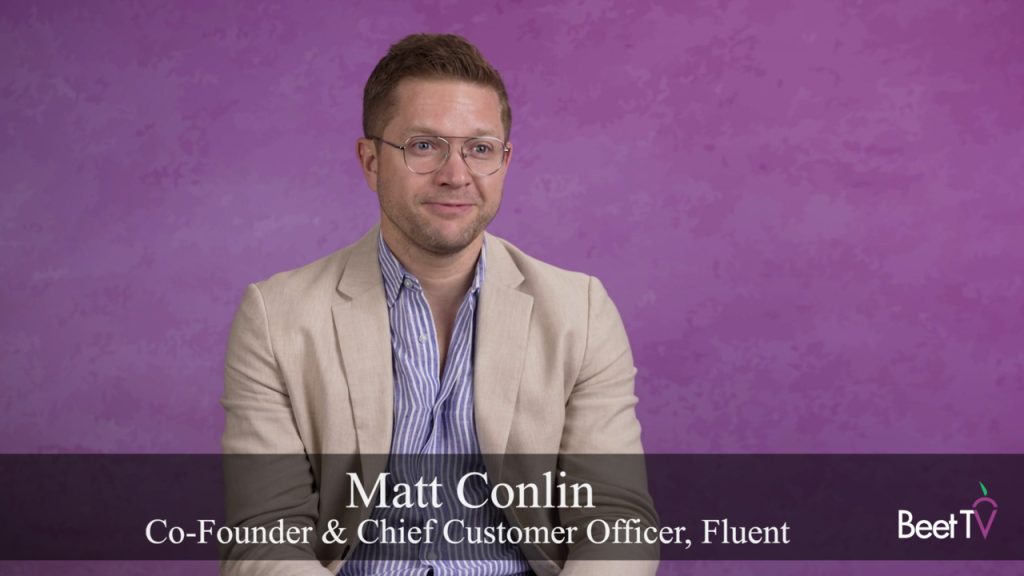
Matt Conlin of Fluent highlights a critical disconnect: the programmatic infrastructure powering the open web was never designed for the rich, brand-safe inventory that emerges after a purchase. Think about it – after you’ve just bought something, you’re engaged, perhaps even excited. That’s prime real estate. Fluent reports a 2.5% click-through rate from these post-transaction placements, a stark contrast to the measly 0.25% seen in traditional display ads. It’s the difference between a targeted handshake and a random shout in a crowded room.
The core issue? Programmatic’s DNA is rooted in the chaotic open web, a digital Wild West of banner ads plastered across publisher pages. It wasn’t built to recognize or capitalize on the unique value of a user who has already signaled intent and trust. This mismatch explains why these high-performing ad opportunities are largely siloed, failing to integrate smoothly into the automated buying systems we rely on.
Commerce Media’s Third Act: Beyond the Click
Commerce media is evolving, and the latest phase, according to Conlin, moves beyond simply optimizing on-site inventory and broad audience targeting. It’s about embedding advertising into the entire customer journey, not just the initial purchase. Where are these new frontiers? Think post-purchase screens, order confirmation pages, loyalty program dashboards, and even in-store interactions. These are moments where a consumer’s attention is genuinely captured, and their purchase intent is still incredibly high.
It’s a logical progression. As the first two phases of growth mature, the next natural step is to explore these adjacent ad verticals that can enrich the shopping experience. Fluent sees this as the most underutilized vein of value in commerce media – the quiet, engaged moments after the transaction. The challenge, of course, is how to do this without alienating the customer.
The Privacy Tightrope of Personalization
Here’s the rub: delivering truly relevant, personalized ads hinges on data. But in today’s privacy-conscious world, data is a minefield. The industry is tasked with a delicate balancing act: creating hyper-personalized ad experiences informed by shopper insights, all while adhering to increasingly stringent privacy regulations. It’s about respecting user privacy while simultaneously delivering the highly tailored content consumers now expect.
Conlin frames this as a bidirectional flow. Retailer data can inform advertiser targeting, and conversion feedback can, in turn, provide valuable insights back to the retailer about their own customers. It’s a closed loop, but only if the infrastructure can support it and the privacy safeguards are strong enough to build and maintain trust. The industry is still grappling with how to master this dance.
Guarding the Crown Jewels: Customer Experience is King
Ultimately, Conlin’s message is clear: sustainable success in this evolving landscape isn’t just about the latest tech innovation. It’s about a fundamental commitment to the customer. The companies that will win aren’t just those pushing the boundaries of ad tech; they’re the ones who understand that preserving an exceptional shopper experience is paramount. Keeping customers loyal and ensuring they return should be the North Star, not an afterthought.
“The winners are ultimately those that preserve the best experience possible for the shoppers, keep their customers loyal and coming back time and time again, while also introducing appropriate ways for brands to participate in that customer journey.”
This isn’t about sacrificing revenue for the sake of customer love; it’s about recognizing that fostering deep customer relationships and driving revenue aren’t mutually exclusive. For Fluent, prioritizing shopper loyalty is the real asset worth protecting, not just a variable to be squeezed for marginal gains. In an era where consumer attention is fractured and trust is hard-won, this focus on experience feels less like a feel-good platitude and more like a data-backed imperative for long-term viability.
The industry needs to catch up. The infrastructure must evolve to meet the demands of real people and the value they bring to commerce ecosystems. Without it, we’re leaving significant performance and customer satisfaction on the table.