Everyone was expecting streaming giants to double down on their ad-supported tiers, that part wasn’t a surprise. What is shifting the needle is the sheer scale and specific formats being deployed.
Netflix is no longer just dipping its toes into the ad waters; it’s preparing to make a substantial splash. The streaming behemoth announced plans to roll out its ad-supported subscription tier to 15 additional markets by 2027. This isn’t just a minor geographic tweak; it’s a strategic move targeting significant chunks of Europe, Asia-Pacific, and Latin America. Countries like Austria, Belgium, Indonesia, the Netherlands, Sweden, Thailand, and Colombia are now firmly in the ad-tier crosshairs. Suddenly, the narrative around Netflix’s ad business isn’t just about if it will succeed, but how aggressively it will grow.
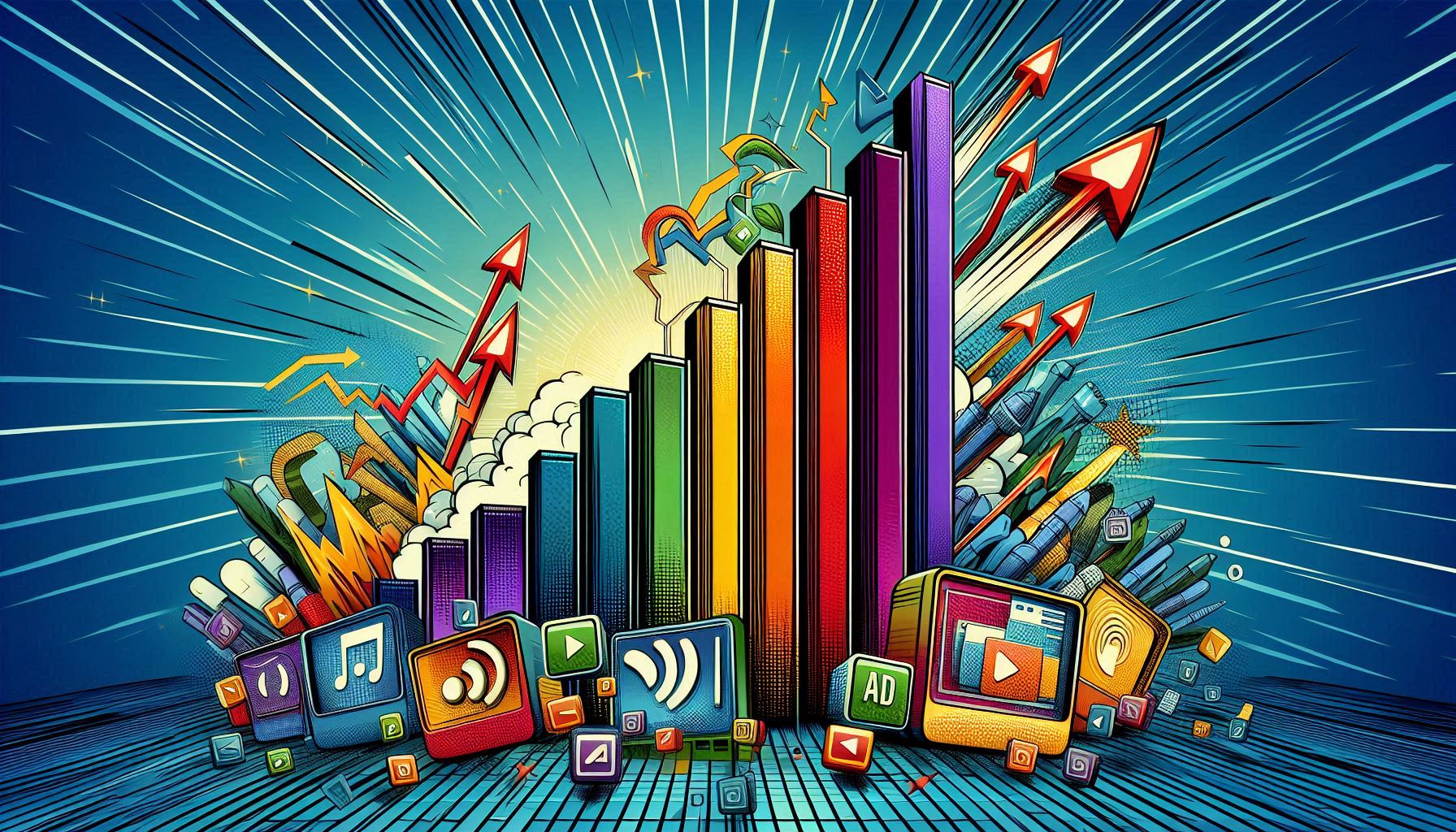
Beyond sheer reach, Netflix is also diversifying its ad inventory in ways that mirror the broader digital video landscape. The integration of advertising across podcasts and a new short-form vertical video feed called “Clips” points to a clear strategy: capture audience attention wherever it migrates. This broadens its appeal considerably to marketers looking to expand beyond traditional 30-second spots, chasing engagement across multiple formats and platforms. The year 2027 is the target, suggesting these aren’t half-baked ideas but planned, scaled integrations.
Is Warner Bros. Discovery’s Agentic AI Bet Smart?
Meanwhile, Warner Bros. Discovery (WBD) is taking a decidedly different, yet equally AI-centric, approach. They’ve unveiled a suite of AI-powered advertising tools designed to inject interactivity, personalization, and measurability across their vast media empire – from streaming and television to digital and social platforms. The announcement, delivered with typical Madison Square Garden fanfare during their upfront presentation, signals a clear ambition to move beyond basic audience segmentation.
Shoppable pause-screen ads and partnerships that enable brands to place ads alongside specific scenes within content are game-changers, if they deliver. This moves beyond broad genre targeting to a much more granular, contextually relevant placement. Think of it as hyper-contextual advertising, powered by AI agents that can — in theory — adapt messaging in real-time based on viewer behavior and engagement signals. It’s a bold gamble on AI’s ability to not just serve ads, but to make them part of the viewing experience, a concept that sounds promising but carries significant execution risk.
The company further signalled ambitions to automate ad relevance using AI agents capable of adapting messaging in real time based on audience behaviour and engagement signals.
This isn’t just about dynamic creative optimization; it’s about dynamic experience optimization. The connection to WBD’s Brand Block product aims to ensure advertising aligns more closely with content just consumed. The question remains: how sophisticated are these AI agents, and will they serve ads that feel additive or intrusive?
The Meaningful Brand Effect: AI’s Undeniable Impact
And then there’s Kantar BrandZ and its fascinating data point: brands perceived as “meaningfully different” have seen a remarkable 129% growth in brand value since 2019. This isn’t tangential to the ad tech developments; it’s a core consequence. AI is the engine behind much of this shift, influencing everything from personalized content feeds to the very way brands communicate. In an era where consumers are bombarded by thousands of AI-influenced touchpoints, those brands that manage to carve out a distinct, meaningful identity are not just surviving, they’re thriving, far outperforming their less distinctive peers.
This insight from Kantar is, frankly, the most compelling data point in the whole digest. It anchors the technological advancements in a fundamental truth of marketing: differentiation matters. While Netflix and WBD are busy building new ad infrastructure, the ultimate success of those efforts will hinge on whether they can help brands become meaningfully different in the eyes of the consumer. The AI tools might be new, but the goal – creating brands people care about – is ancient. The challenge is that AI, while powerful, can also homogenize if not wielded with clear strategic intent. It’s easy to use AI to serve more ads, much harder to use it to help brands be genuinely distinct.
This pivot towards more integrated, contextually aware, and personally relevant advertising isn’t just a trend; it’s the inevitable evolution of the ad-supported digital economy. The question is whether the massive investments in new inventory and AI capabilities will translate into demonstrable brand value, or just more noise. For now, the data suggests that the brands perceived as meaningful are the ones winning, and that perception is increasingly shaped by the very AI that powers these new ad formats. It’s a feedback loop that could redefine advertising success.
🧬 Related Insights
- Read more: Google-Agent: AI Gets a Web Identity [2026]
- Read more: BuzzFeed Bought by Byron Allen: What It Means for Digital Media
Frequently Asked Questions
What new markets is Netflix expanding its ad tier to?
Netflix is expanding its ad-supported subscription tier to 15 additional markets by 2027, including countries across Europe, Asia-Pacific, and Latin America. Specific examples mentioned are Austria, Belgium, Indonesia, the Netherlands, Sweden, Thailand, and Colombia.
What kind of new ad inventory is Netflix introducing?
Netflix is introducing advertising across podcasts and a new short-form vertical video feed called “Clips.” These formats will become globally available in 2027.
How is Warner Bros. Discovery using AI in its advertising?
Warner Bros. Discovery is leveraging AI for a suite of tools designed to make advertising more interactive, personalized, and measurable. This includes shoppable pause-screen ads, placing ads alongside specific scenes in content, and using AI agents to adapt messaging in real-time based on audience behavior.