The hum of a server farm, a distant but constant thrum beneath the veneer of polished tech announcements, is growing louder. It’s the sound of AI, not just powering chatbots, but fundamentally re-architecting how we interact with commerce and media.
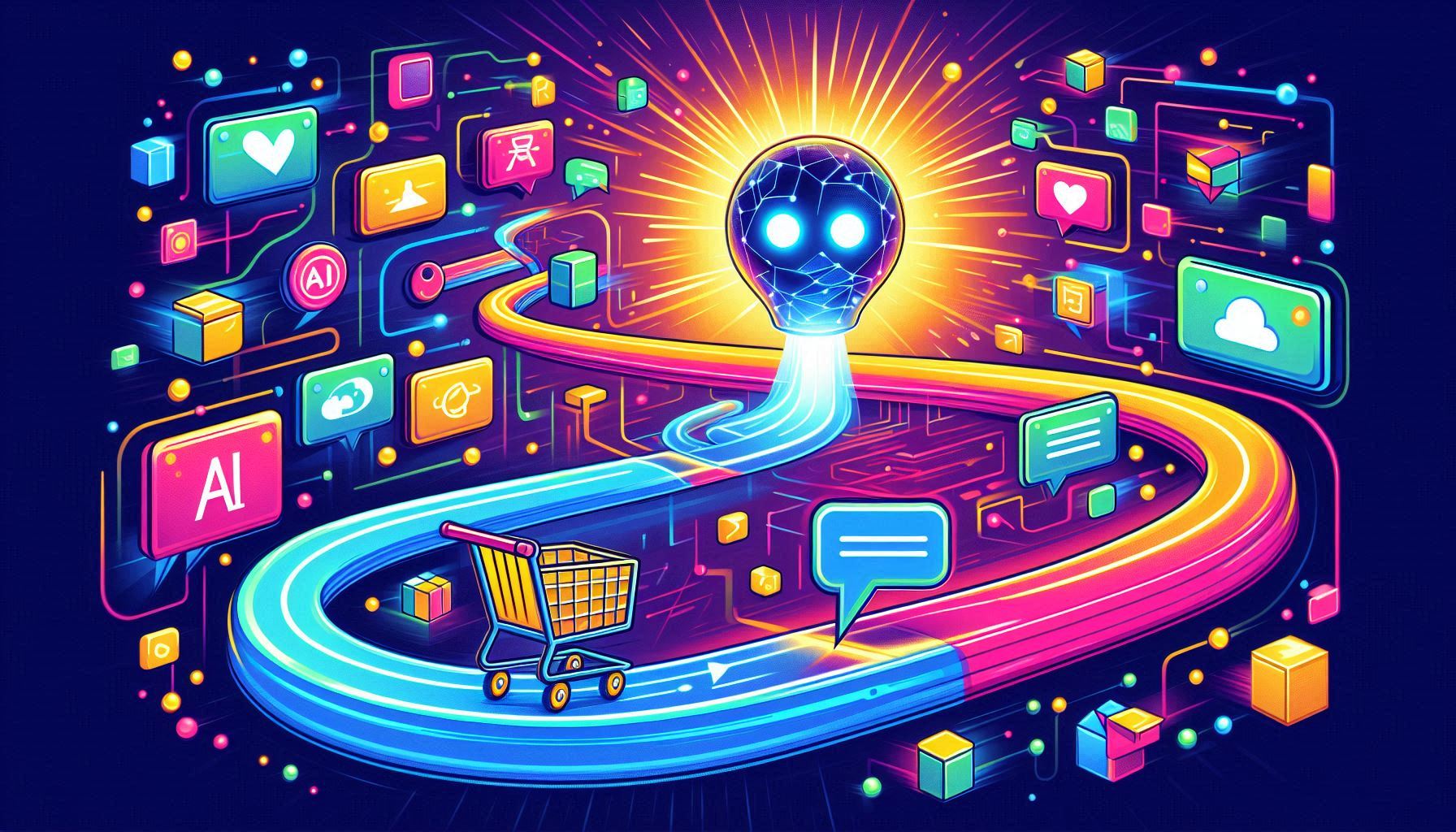
Alibaba, long a behemoth in the e-commerce arena, is now making a significant play with its Qwen AI assistant, weaving it directly into the fabric of Taobao and Tmall. This isn’t merely about slapping a chatbot onto an existing platform; it’s about fundamentally shifting the user interface from discrete searches to continuous, conversational engagement. Imagine browsing not by typing keywords into a search bar, but by having a back-and-forth with an AI that understands your budget, your style, and even your delivery tracking needs. It’s the promise of delegating the drudgery of online shopping to a sophisticated digital agent. The integration of virtual try-ons and automated price comparisons further signals a commitment to smoothing out the decision-making process, a crucial friction point in the path to purchase.
Here’s the thing: the underlying architecture here is about data fusion. Taobao’s vast product catalog and mountains of customer reviews are the raw ingredients, and Qwen is the sophisticated chef that can whip up personalized recommendations and answer complex queries. This moves beyond simple keyword matching; it’s about semantic understanding and predictive intent. Alibaba’s gamble is that this conversational commerce will become the dominant paradigm, particularly as consumers become increasingly accustomed to outsourcing routine tasks to AI.
When Retail Meets Streaming: Amazon’s Data on Netflix
Separately, a seismic shift is occurring at the intersection of retail and entertainment. Starting May 18th, Amazon’s treasure trove of shopping data will begin to fuel Netflix’s ad inventory in the UK and across EMEA. This isn’t just about better ad targeting; it’s a strategic melding of two massive consumer datasets. Advertisers will gain access to Amazon Audiences via the Amazon DSP, effectively overlaying granular shopping behavior insights onto the vast reach of a streaming giant. This integration allows for a level of audience segmentation previously difficult to achieve – connecting what people buy with what they watch.
This move signals a new frontier in connected TV advertising, where the pixel-perfect targeting once reserved for digital display ads can now be applied to the immersive environment of streaming. It’s an architectural pivot from broad reach to hyper-relevant engagement, a trend that’s been building for years but is now hitting a critical mass with the convergence of retail and media platforms.
Instagram’s Pivot to Long-Form on CTV
And then there’s Instagram, a platform that built its empire on fleeting moments and bite-sized visuals, now eyeing the sprawling landscape of connected TV. Instagram VP of Product, Tessa Lyons, has indicated a strategic evolution beyond the short-form vertical video that defined its recent history. The platform is reportedly exploring greater investments in podcasts, live-streaming, and episodic content – formats that demand a sustained viewer attention. This push into long-form content for CTV is a direct response to a competitive environment where creator loyalty and audience engagement are paramount.
Instagram’s updated CTV app, launched last year, already mimics YouTube’s interface, suggesting a deliberate strategy to mirror success in established streaming ecosystems. The underlying question becomes: can a platform built on immediacy successfully cultivate audiences for longer-form storytelling, and what architectural changes will be required to support this shift on television screens?
Speaking at the Scalable Summit, Instagram vice president of product Tessa Lyons said the platform is evolving beyond its current emphasis on short-form vertical video.
This diversification isn’t just about staying relevant; it’s about capturing a larger share of the creator economy and the advertising dollars that follow. The move acknowledges that while short-form has its place, the living room TV remains a prime real estate for deeper, more immersive content experiences. The challenge for Instagram will be to translate its existing social graph and creator relationships into formats that resonate on a larger screen, demanding a re-evaluation of its content delivery and discovery mechanisms.
The Unifying Thread: Data and AI Integration
What binds these disparate developments together is a common architectural theme: the aggressive integration of artificial intelligence and the sophisticated use of massive datasets. Alibaba’s Qwen is an AI orchestrating commerce; Amazon’s data is an intelligence layer for advertising on Netflix; and Instagram’s move signals a potential AI-driven curation and recommendation engine for long-form content on CTV. The future of digital interaction isn’t just about connectivity; it’s about intelligence. We’re witnessing a granular breakdown of established media and commerce silos, replaced by interconnected systems where user behavior, purchasing intent, and content consumption are increasingly blurred and analyzed through the lens of AI.
This isn’t just about new features; it’s about the underlying infrastructure of digital experience evolving. The battleground is shifting from who can capture attention to who can intelligently understand and engage users across an ever-expanding digital ecosystem.
**
🧬 Related Insights
- Read more: Creative 100: Brands Win With Whimsy [2026 Report]
- Read more: AdTech’s Benchmarking Comic Exposes the Metric Madness That’s Bleeding Marketers Dry
Frequently Asked Questions**
What does Alibaba’s Qwen AI do? Alibaba’s Qwen AI is integrated into Taobao and Tmall to enable conversational shopping, allowing users to search, compare, and purchase products through text or voice interactions.
How will Amazon’s data be used on Netflix? Advertisers will use Amazon’s shopping data to target audiences on Netflix’s ad inventory via the Amazon DSP, gaining insights into consumer behavior for campaign planning.
Is Instagram moving away from short-form video? Instagram is exploring expanding into long-form content formats like podcasts and episodic storytelling for connected TV, indicating a move beyond its current focus on short-form vertical video.