Retail media ad revenue has officially, and quite decisively, surpassed linear TV. That’s not just a stat; it’s a seismic shift. But here’s the kicker: it’s not an either/or scenario anymore. In recent months, retail media has started eating into TV ad buys themselves, a trend driven heavily by the giants of retail: Amazon and Walmart.
This isn’t some gradual creep. It’s a full-blown strategic pivot. Both Amazon and Walmart are actively leveraging their smart TV infrastructure to court traditional TV advertisers, a segment that has long been their perceived holy grail. While Amazon has been talking up its TV ad offerings for a few years, Walmart’s recent joint pitch with Vizio at this year’s NewFronts signals a more aggressive, unified push.
How Are They Playing This Game?
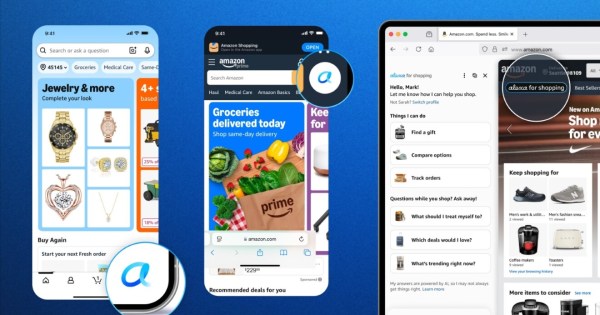
Look, the tactics differ, as you’d expect from these two behemoths. Amazon, as reported by ADWEEK, is leaning hard into AI-powered intelligence. They’re not just offering more ad space; they’re promising smarter, data-driven placements. This aligns with their broader ecosystem strategy—everything feeding back into their vast customer data.
Walmart, on the other hand, seems to be focusing on the immediate impact and reach, especially through partnerships like the one with Vizio. The message is clear: “We can deliver eyeballs on screens, with purchase intent baked in.” It’s a potent combination that traditional TV buyers can’t easily ignore.
“Amazon is pitching heavily on AI-powered intelligence and a bulky slate of new ad inventory, vp of global ad sales Alan Moss recently told ADWEEK.”
The implications for the broader ad market are profound. For years, the narrative was about the migration from linear TV to digital. Now, we’re seeing a convergence, or perhaps a redefinition, of what “TV advertising” even means. It’s not just about the broadcast signal anymore; it’s about the screen, the audience, and crucially, the data fueling the ad delivery.
This move by Amazon and Walmart isn’t just about capturing more ad dollars; it’s about solidifying their positions as indispensable parts of the consumer journey. They’re controlling the discovery, the purchase, and now, increasingly, the media consumption around those actions. It’s a fully integrated ecosystem play that traditional media companies are struggling to replicate.
Why Does This Matter for Ad Buyers?
For brand marketers, this presents both an opportunity and a challenge. The opportunity lies in reaching consumers with a higher degree of certainty about their intent. When a consumer is browsing a retail site or watching content on a smart TV tied to a retail account, their propensity to purchase a related product is demonstrably higher. This means potentially better ROI and more efficient ad spend.
However, it also means navigating an increasingly complex ad tech landscape. Advertisers will need to develop sophisticated strategies to manage campaigns across multiple retail media networks, each with its own data, measurement standards, and ad products. The dream of a unified, cross-channel campaign might be slipping further away, replaced by a patchwork of walled gardens.
The data advantage is undeniable. Retailers have first-party data on purchase behavior, browsing history, and loyalty program engagement. When you layer that on top of smart TV viewership data—who’s watching what, when, and on which device—you get a level of audience granularity that pure-play publishers often can’t match. This is what Amazon and Walmart are weaponizing.
Consider this: Historically, TV advertising relied on broad demographics and estimated reach. Now, advertisers can potentially target users based on their actual shopping habits on Amazon or Walmart, and then serve them ads on their smart TVs. It’s a level of precision that’s frankly, a little scary for those who aren’t prepared.
This isn’t just about performance marketing, either. As retail media networks mature, they’re increasingly offering brand-building opportunities. Think high-impact video placements, shoppable ads integrated directly into content, and sponsored product placements that feel more organic. The lines are blurring, and brands need to adapt their creative strategies accordingly.
My unique insight here? We’re witnessing the early stages of what could be called the ‘Retail-Centric Internet.’ Instead of starting with content or a service and then figuring out commerce, the commerce players are building the entire digital experience around their shops. This makes their advertising platforms incredibly sticky and valuable, transforming them into media powerhouses in their own right. It’s a return, in a hyper-digital, data-rich way, to the days when a catalog retailer could control the entire customer journey.
What does this mean for independent ad tech companies? Well, they’ll either need to find ways to integrate deeply with these retail walled gardens or risk becoming irrelevant. The era of broad-reach, untargeted digital advertising is clearly in its twilight, and the data-rich retail environment is the new frontier.
🧬 Related Insights
- Read more: GumGum France: AI Mindset Graph Unlocks Smarter Ads
- Read more: Contextual Advertising: How Context-Based Targeting Works Without Cookies
Frequently Asked Questions
What is retail media? Retail media refers to advertising opportunities offered by retailers on their own digital platforms, leveraging their first-party customer data to target ads. This includes everything from banner ads on their websites to sponsored product listings and increasingly, video ads on smart TVs. Amazon and Walmart are the largest players.
Is retail media replacing traditional TV advertising? Retail media ad revenue has surpassed linear TV’s. Moreover, retail media platforms are actively taking ad spend that previously would have gone to traditional TV, particularly through smart TV integrations offered by giants like Amazon and Walmart. It’s a significant shift in the advertising allocation.
Will this affect my privacy? As retail media networks utilize more first-party data and connect it to viewing habits on smart TVs, concerns about data privacy and usage will likely intensify. Consumers may see more targeted advertising based on their shopping and viewing behaviors. Regulations and consumer awareness will play a key role in how this evolves.