Everyone, and I mean everyone, obsesses over their Uber rating. It’s become this weird, Silicon Valley-bred status symbol, a silent judgment on your weeknight ride home or that slightly-too-late airport pickup. The expectation? That the folks at the top, the visionaries shaping these digital ecosystems, would somehow be… exempt. Maybe they’d have some secret handshake with the algorithms, a guaranteed five stars etched into their digital profile. Well, guess what? That’s not how it works.
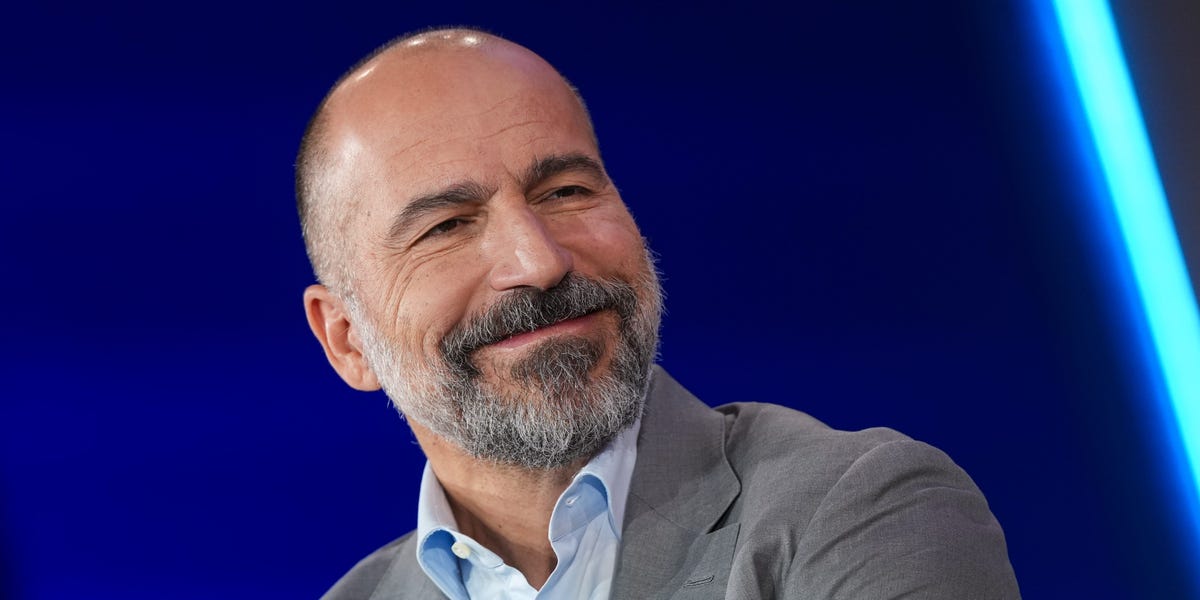
Turns out, Uber’s own CEO, Dara Khosrowshahi, is sporting a not-so-perfect 4.83 rating. Yeah, you read that right. The man steering this global transportation behemoth can’t quite crack the five-star ceiling that so many of us strive for. It’s almost… refreshing. This whole rating system, designed to foster accountability and politeness on both sides of the transaction, has snagged its own architect.
The CEO’s Rating Woes
Khosrowshahi let slip his rather mundane score during an interview on Molly O’Shea’s Sourcery, revealing a personal quest to reach the coveted 4.9 mark. He’s a full 0.06 stars behind the average rider, which, according to Uber’s own blog chatter, hovers around 4.89. This isn’t some abstract corporate talking point; this is a tangible data point suggesting that even for the CEO, navigating the ride-sharing world isn’t always a smooth, five-star affair. It’s a small but potent reminder that the technology Uber wields is, at its core, powered by human interaction and the often fickle nature of peer reviews.
So, what’s the big deal? It’s about the illusion. We’re fed this narrative that tech leaders are somehow operating on a different plane, their interactions flawless, their decisions always pristine. This little tidbit about the Uber CEO’s rating punctures that balloon. It humanizes him, sure, but more importantly, it highlights how deeply ingrained these feedback mechanisms have become in our digital lives. Even the highest-ranking executive isn’t immune to being rated a 4 or a 3 for… well, who knows what? Did he leave the door ajar? Was his small talk just a hair too much?
“My Uber rating is like 4.83. I gotta get to 4.9.”
It’s a surprisingly candid admission, and frankly, it’s the kind of thing that makes a platform like Uber feel less like an untouchable corporate entity and more like a service where everyone, from the driver to the CEO, is subject to the same rules.
Who’s Actually Making Money Here? (Spoiler: It’s Not About the Stars)
The entire rating system, ostensibly about safety and accountability, ultimately serves one primary purpose for Uber: data. Every rating, every tip, every perceived slight or act of kindness is a data point that Uber can analyze, monetize, and use to refine its algorithms. Drivers who consistently get low ratings risk deactivation, which means Uber has to recruit and onboard new drivers – a process that also generates revenue and valuable user data. Riders who are deemed problematic (though the threshold remains murky) are also managed, ensuring a generally compliant user base. The goal isn’t necessarily perfection; it’s predictable, manageable behavior. And who benefits most from that predictability and manageability? Uber, of course. They get to control the marketplace, dictate terms, and ensure a steady flow of both drivers and riders, all while collecting an ever-growing mountain of behavioral data.
Khosrowshahi’s efforts to improve his score – meeting on time, asking permission to use his phone (seriously?), and tipping generously – are all behavioral adjustments driven by the system. He’s playing the game, just like the rest of us. His pro-tips, like not slamming doors and asking before eating in the car, are actually pretty solid advice for anyone who wants to maintain a decent rating. These aren’t revolutionary insights; they’re basic social graces amplified by a digital rating system.
The CEO’s Anonymous Aura
What’s particularly amusing is that Khosrowshahi isn’t always outed as the CEO. Half the time, he’s just another rider. This offers a fascinating dual perspective: sometimes he’s having conversations about improving the product, and other times he’s just a passenger, subject to the same experience as anyone else. This anonymity, ironically, is what allows the rating system to work as intended. If every driver knew they were picking up the CEO, the feedback might be skewed. The fact that half the time they don’t know suggests the system is, to some extent, achieving its goal of unbiased feedback – or at least, feedback uninfluenced by perceived status.
Looking back, Khosrowshahi’s rating has actually inched up. From 4.81 in 2025 to 4.83 now. It’s a minuscule improvement, perhaps, but it shows a trend. It shows that effort is being made. It also highlights the persistent challenge of maintaining a perfect score in a system that thrives on minutiae. This little anecdote, buried within a larger interview, is more telling about the nature of platform economies than any earnings call.
It’s a stark reminder that in the gig economy, and increasingly in our digitized lives, everyone’s a performer, and everyone’s being watched, rated, and, implicitly or explicitly, judged. Even the captain of the ship.
Why Does Uber’s CEO’s Rating Matter?
It matters because it strips away some of the mystique surrounding tech leaders. It normalizes the experience of being a user on these platforms. If the CEO is navigating the same sub-4.9 rating landscape, it suggests the system is complex, perhaps even a little unfair, for everyone. It shifts the focus from the leader’s perceived infallibility to the mechanics of the platform itself. And for anyone who’s ever stressed about a 4.7 versus a 4.8, it’s a moment of shared, albeit slightly cynical, solidarity. It’s a peek behind the curtain, revealing that even at the highest levels, the algorithm’s judgment is absolute. And it’s designed to keep us engaged, trying, and ultimately, using the service.
FAQ
What is the average Uber rider rating? The average Uber rider rating is approximately 4.89 out of 5 stars.
Is it possible to get deactivated for a low Uber rider rating? While Uber does not specify the exact minimum rating, users who receive a rating below a certain threshold risk being removed from the platform.
Does being the Uber CEO give you a better rating? No, Uber CEO Dara Khosrowshahi’s rating of 4.83 indicates that even company leadership is subject to the platform’s rating system without special privileges.