It’s a quiet Tuesday afternoon, and somewhere in the labyrinthine halls of the State Department, a decision was made. A decision that has now surfaced, blinking into the harsh light of public scrutiny: a new commemorative US passport for the nation’s 250th anniversary will feature, not just the eagle or the Capitol, but Donald Trump’s face.
The news, first reported by Fox News and subsequently confirmed by the State Department, is less about a policy shift and more about a bizarre aesthetic choice that’s raising eyebrows from here to the Potomac.
A Passport for the Ages? Or Just One Name?
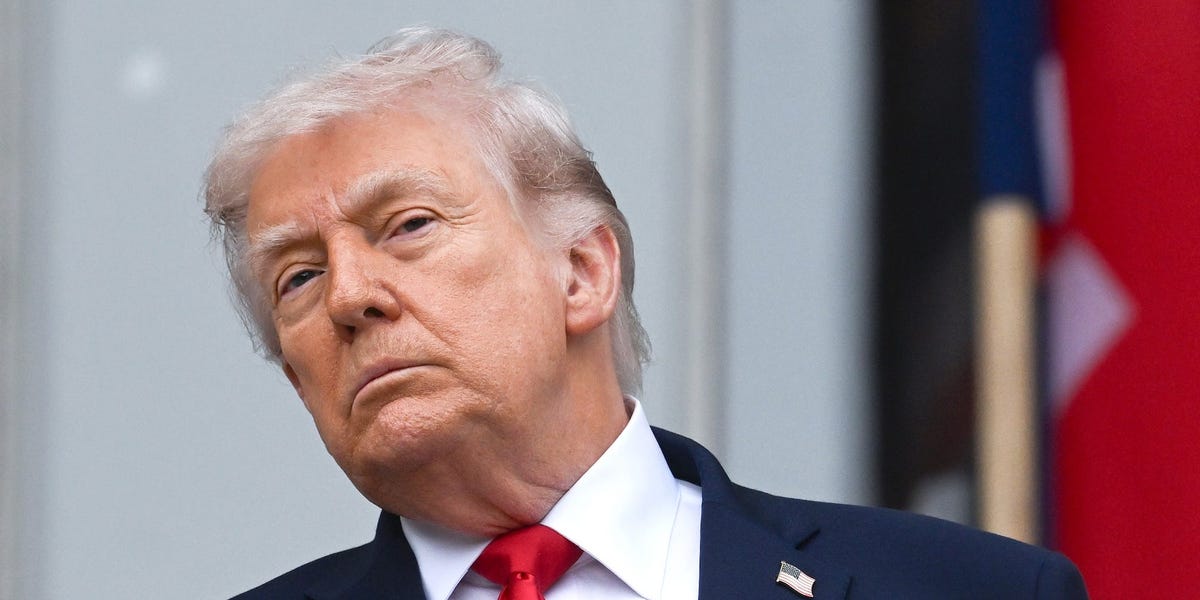
On the surface, this is a straightforward announcement tied to a significant national milestone. America is gearing up to celebrate its 250th birthday next year, a momentous occasion. The State Department, wanting to participate, is issuing a limited run of specially designed passports. Inside, alongside the text of the Declaration of Independence and, presumably, space for your stamps, will be an image of Donald Trump’s visage. Gold-plated, no less.
Tommy Pigott, a State Department spokesperson, confirmed the plans, framing it as a way to “commemorate this historic occasion” with “customized artwork and enhanced imagery.” But here’s the kicker: these are still US Passports, meaning they’re meant to represent the nation, its ideals, and its standing on the global stage. Adding a former president’s likeness, especially one so polarizing, feels less like commemoration and more like an attempt to inject a specific political brand into an official document of national identity.
“As the United States celebrates America’s 250th anniversary in July, the State Department is preparing to release a limited number of specially designed US Passports to commemorate this historic occasion,” State Department spokesperson Tommy Pigott said in a statement. “These passports will feature customized artwork and enhanced imagery while maintaining the same security features that make the US Passport the most secure documents in the world.”
This isn’t the first time Trump’s administration, or even post-administration, has sought to emblazon official items with his name or image. We’ve seen the Trump Gold Card visa, “Trump Accounts” via legislation, and the bizarre “Trump-class” battleships. Each instance has carried a whiff of personal branding over public service, and this passport feels like the latest — and perhaps most profoundly public — iteration of that impulse.
The ‘How’ and the ‘Why’ of the Trump Passport
What’s truly fascinating here is not just that this is happening, but the architectural choices behind it. The US Passport is, at its core, an identity document, a symbol of citizenship, and a tool for international travel. Its design historically leans towards nationalistic iconography — flags, monuments, historical figures — all designed to convey gravitas and unity. Injecting a single political figure’s likeness, especially for a commemorative issue rather than a standard operational one, disrupts this fundamental purpose.
One has to wonder about the internal process. Was there a committee? A design brief? Did anyone pause and think, “Is putting a president’s face on our passports—any president’s face—a good idea for a document that will be seen by border agents and officials across the globe?” The State Department claims these will have the same security features, which is a relief. But the symbolic security of national identity? That’s a different story.
The ‘why’ is likely a confluence of factors. Post-presidency, Trump has been adept at leveraging his image and name for commercial and political gain. Official or quasi-official government projects have been a prime target. For the State Department, it might be an attempt to tap into a specific segment of the population that views Trump’s presidency nostalgically, a way to add a “special” element to a routine renewal. It’s a bit like slapping a celebrity endorsement on a brand that’s supposed to stand on its own merit. The America250 branding is meant to be inclusive, a celebration of the nation as a whole, not a nod to a single figure.
Is This Just a Bit of Fun, or a Warning Sign?
Look, the US is indeed celebrating a major anniversary. Commemorative items are commonplace. But when those items are official documents that represent the sovereign nation, the stakes change. This move feels less like a historical tribute and more like a political statement embedded in a document that’s meant to transcend partisan divides when used abroad. Imagine presenting this passport in certain countries – the optics are, at best, awkward, and at worst, politically charged.
My unique insight here? This isn’t just about Trump; it’s about how readily official symbols can be co-opted for personal branding. It’s a slippery slope. Today it’s Trump for the 250th. Tomorrow, who’s to say? The architecture of official documents should prioritize neutrality and national representation. This commemorative passport, while ostensibly a minor detail, chips away at that fundamental principle. It’s a concession to personalization that weakens the collective symbolism of the United States passport.
And for those who might be thinking this is simply a niche item, a limited edition for the collectors: the original report suggests these will be available to citizens who apply, if availability remains. That implies a broader distribution than just a few hundred special editions. The potential for these passports to circulate widely is real, and with it, the normalization of political figures’ faces on official state documents.
🧬 Related Insights
- Read more: CTV’s Commerce Play: IAB VP Spills the Tea
- Read more: Illia Polosukhin’s 12 AI Agents: Billionaire Staff or Digital Disaster Waiting?
Frequently Asked Questions
What is the US issuing commemorative passports for? The US is issuing special commemorative passports to celebrate the 250th anniversary of the United States’ Declaration of Independence.
Will Donald Trump’s face be on all new US passports? No, only a “limited number” of specially designed commemorative passports will feature Donald Trump’s likeness. Standard US passports will not be affected.
When will these commemorative passports be available? They are scheduled to launch around the Fourth of July, and availability will be on a first-come, first-served basis for those who apply, while supplies last.