The glow of the TV flickered, illuminating a face lost in the endless abyss of streaming options. A common scene.
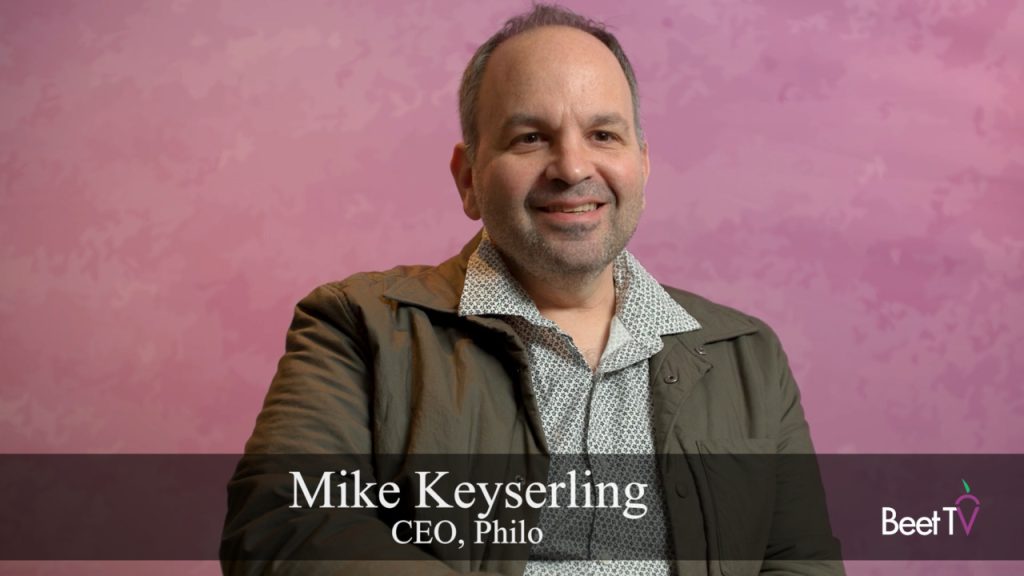
Philo CEO Mike Keyserling dropped a truth bomb, and frankly, it’s about time. He’s calling out the elephant in the living room: the overwhelming, paralyzing amount of content available on CTV. The “paradox of choice,” he dubs it. And you know what? He’s not wrong. Consumers are drowning in options. They’re pining for the good old days of linear TV, where someone else did the thinking for them. It’s why, Keyserling points out, about 70% of viewing still happens live, even on platforms built for bingeing. Seventy percent. Let that sink in.
“The beauty of ‘Peak TV’ and all of these tremendously huge scaled services is that there’s an insane amount of content to watch and that’s awesome. But there’s like a downside to that, which is the paradox of choice,” Keyserling told Beet.TV contributor David Kaplan at the Beet.TV/Horizon Media AI Media Summit. “You go into Netflix and how long do you spend trying to find something that you want to watch?”
It’s a sentiment that should resonate. We’ve celebrated the explosion of content, but at what cost? Decision fatigue is real. It makes those predictable, branded channels like Food Network or HGTV—where you can just switch on and zone out—strangely appealing. It’s the anti-Netflix, and apparently, a lot of people prefer it.
Efficiency Over Scale: The Philo Way
Here’s the thing about Philo. It’s not a Netflix. It’s not a Disney+. It’s a leaner operation, pulling in nearly half a billion dollars with a mere 160 employees. How? By doing what any smart underdog would: ditching the brute force scale for sheer efficiency, powered by AI. They’re not trying to out-spend the giants; they’re trying to out-think them.
Keyserling put it plainly: “Philo as being a small company in a sea of the largest media companies in the world has always had to operate differently. We’ve always had to lean into efficiency, lean into technology, and AI is no different.” This isn’t just fluffy PR talk. It translates into real-world applications: faster code development, smarter marketing spend via ROAS modeling, and an ad tech infrastructure that’s not just future-proof but agentic-ready. They’re even using wide listening tools to keep a finger on the pulse of customer support and social chatter.
Does Your Ad Stack Understand the Viewer?
Philo’s hybrid model is built on a simple, yet often overlooked