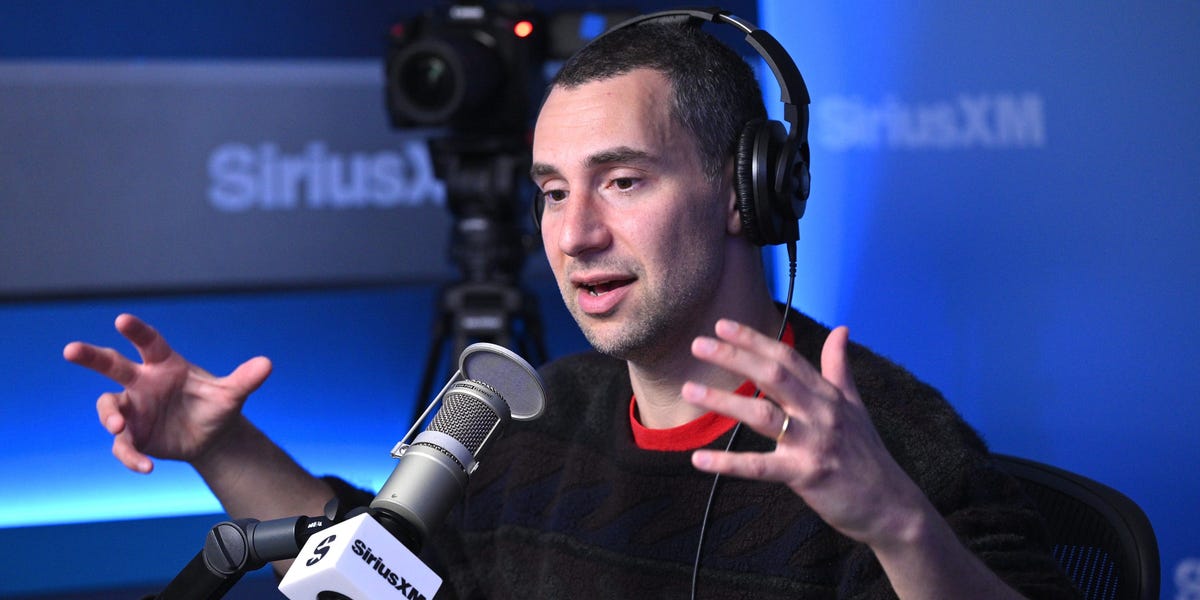
So there he was, Jack Antonoff, perched atop the songwriting Olympus, looking down with undisguised scorn at the digital upstarts fumbling with their algorithms. This isn’t just about music; it’s a fault line splitting the creative industries, a visceral reaction from a craftsman who sees the very soul of art being commodified and outsourced to silicon. He didn’t mince words. In an open letter that reverberated through the industry, Antonoff — the Grammy-winning producer behind some of the biggest names in pop — declared war on AI-generated music, essentially telling its proponents to “drive right off that cliff.”
It’s a visceral sentiment, and one that cuts to the core of what we value in art. Antonoff, defending what he calls the “holy process” of writing, recording, and performing music, views AI as a shortcut, a way to fake the immense labor, vulnerability, and inspiration that goes into true artistic creation. He speaks for himself, for his band, and, he claims, for “everyone I know” in the songwriting trenches.
“So to everyone who is gassed up about the new ways you can fake making art, by all means drive right off that cliff. We’re genuinely happy to see you go.”
This isn’t an isolated grumble. The entire creative sector is grappling with this. We’re seeing AI tools pop up to automate everything from mastering audio tracks to churning out complete songs. AI pop stars are releasing singles, and the specter of AI-generated content saturating platforms looms large. But Antonoff’s critique goes deeper than mere technological advancement; it’s about intention and integrity. He calls out “bad actors,” predicting that the synthetic slop they produce will ultimately reveal their lack of genuine artistry.
This isn’t the first time the music industry has pushed back. Universal Music Group has been aggressively taking down AI-generated tracks that mimic their artists’ styles. Jason Derulo, another prominent voice, has lamented that AI music “lacks soul.” These aren’t just anecdotes; they’re indicators of a fundamental unease about authenticity in an increasingly automated world.
The ‘Godless Whores’ Manifesto
Antonoff’s language is deliberately provocative. His parting shot— labeling those creating AI music as “Godless whores” — is less about theological offense and more about a profound moral and artistic rejection. It’s a gut-level reaction against what he perceives as a soulless, transactional approach to something deeply human. This level of vitriol is rare, and it signals just how personally many creators are taking this perceived threat to their livelihoods and their craft. It’s a stark reminder that for artists, creation isn’t just a job; it’s a calling, a form of communion. And they’re damned if they’re going to let machines replicate that without a fight.
Why Does This Matter for AdTech?
While Antonoff is focused on music, his outburst has ripple effects that touch AdTech. The same arguments about authenticity, human creativity, and the devaluation of labor are being had in advertising. Are we hurtling towards a future where AI generates ad copy, visuals, and even entire campaign strategies? If so, who gets the credit? Who bears the responsibility when that AI-generated content is bland, offensive, or simply ineffective?
The “slop” Antonoff predicts from AI music is a mirror for the potential deluge of uninspired, algorithmically-generated ad creative. Brands that lean too heavily on AI risk producing generic, forgettable campaigns that fail to connect emotionally with consumers. The human touch—the insight, the cultural nuance, the spark of genuine emotion—is what differentiates compelling advertising from mere noise. Antonoff’s defense of the “ancient ritual” of music-making underscores the enduring value of human intention and skill. In AdTech, as in music, the question isn’t just can we automate it, but should we, and at what cost to authenticity?
The core issue here is the architecture of creation. Is it a solitary, inspired moment captured and refined by human hands, or a distributed, calculative process optimized for output? Antonoff firmly believes in the former, seeing the latter as an existential threat. His outburst, while colorful, highlights a fundamental tension: the desire for efficiency and scale versus the preservation of human artistry and the integrity of the creative process. This is the battleground where the future of art, and by extension, advertising, is being fiercely contested.
Key Takeaways
- Jack Antonoff has strongly condemned AI-generated music, labeling it as an attempt to “fake making art.”
- He defended traditional songwriting as a “holy process” and warned those using AI to “drive right off that cliff.”
- Antonoff’s critique echoes broader industry concerns about the authenticity and soul of AI-created content.
🧬 Related Insights
- Read more: Albertsons Touts Retail Media Prowess on YouTube
- Read more: Horizon Media Chief: AI Needs Smarter Humans, Not Just Better Tech
Frequently Asked Questions
What does Jack Antonoff think about AI art? Jack Antonoff believes AI art is a way to “fake making art” and has strongly criticized its use, suggesting creators using it should abandon it entirely.
Will AI replace human songwriters? While AI can generate music, Antonoff and many other artists argue that it lacks the soul, intention, and human experience crucial for genuine artistic expression, suggesting it will not replace truly creative human songwriters.
Has other artists spoken out against AI music? Yes, artists like Jason Derulo have also expressed concerns about AI music lacking soul, and major labels like Universal Music Group are actively working to remove AI-generated content mimicking their artists.