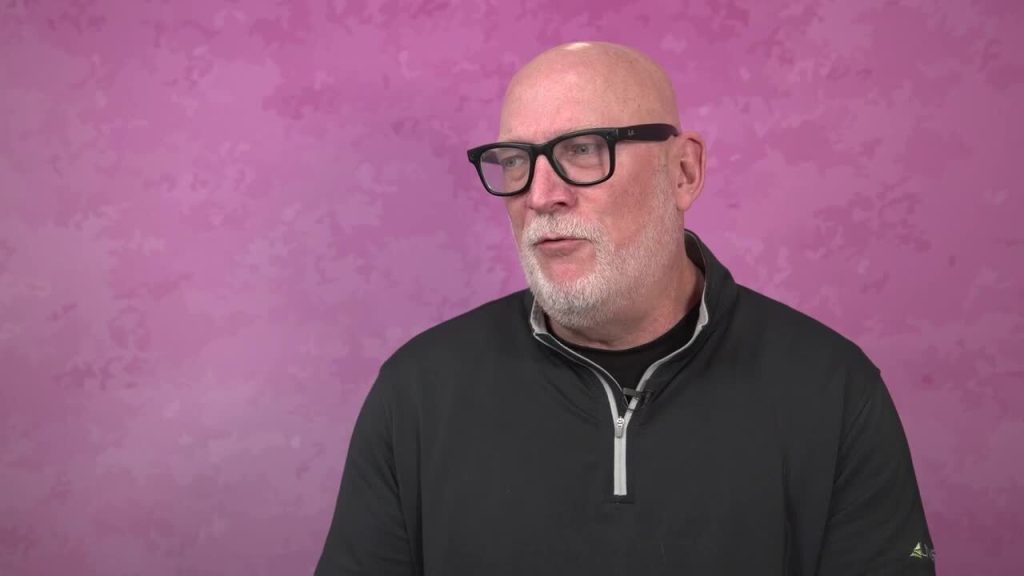
The scent of stale cardboard and industrial cleaning fluid hung heavy in the air the day Ryan Saltzman first walked into his family’s wholesale grocery warehouse, a far cry from the imagined skylines of his college peers.
When he was a junior in college, the path ahead was anything but clear. Then the phone rang. His father, explaining a recent buyout and the need for fresh leadership, extended an invitation not to an internship, but to an inheritance of sorts, a legacy etched in decades of commerce.
Saying yes felt like a surrender. His friends were off landing jobs with the glossy sheen of creative agencies and corner offices in the city’s gleaming towers. Banner Wholesale Grocers, however, resided in a functional, unadorned facility tucked away in Chicago’s industrial heartland. Yet, his father’s plea was not to be ignored.
The Steep Climb: From Heir Apparent to Hands-On Operator
The initial years presented a formidable learning curve, a crucible where family ties met professional expectations. Having your father as your boss, as Saltzman readily admits, creates a distinct operational dynamic, one where work invariably claimed precedence during business hours. While his three siblings pursued divergent career paths, their familial connection to Banner remained, a shared presence at company functions and community events.
To earn the respect of long-tenured employees—a workforce marked by exceptional loyalty—Saltzman committed to understanding every cog in the machinery. He didn’t storm in expecting a CEO’s chair; he worked the floors, immersing himself in the daily realities of those who had sustained the business for years. This deliberate immersion was crucial, a necessary validation of his leadership aspirations.
But the pressure to embody the company’s public face while simultaneously navigating the delicate ecosystem of employee relations proved challenging. Striking that balance, between being a familiar leader and maintaining a personal life detached from the company’s operational hum, was a constant negotiation.
Cultivating a Life Beyond the Loading Dock
This push and pull underscored the importance of intentionality in carving out a life outside the warehouse walls. Basketball and travel became more than hobbies; they were essential anchors, preventing work from consuming his entire identity. These pursuits also offered a much-needed equilibrium to his relationship with his father. Shared passion for the Chicago Bulls, for instance, provided a sanctuary from business discussions, a space for pure, unadulterated father-son bonding over the game.
If you let work become your life, you’ll drive yourself crazy. I’ve been intentional about making sure that my sense of self and my relationships with family aren’t all centered on the business.
A Century of Impact: More Than Just Groceries
Fourteen years ago, the notion of spending nearly six decades in a single job, like his father, seemed an abstract concept. Today, Saltzman can’t envision an alternative. His focus has broadened, encompassing the profound impact Banner has had on his family and its 110 employees. The business isn’t just a commercial enterprise; it’s a connective tissue, a financial bedrock supporting current and future generations.
As Banner celebrates its centennial, Saltzman reflects on its enduring influence. The relationships forged with customers, some spanning decades, imbue the daily grind—even on a frigid Chicago morning—with a tangible sense of purpose. It’s a quiet proof to enduring value, a legacy built not on fleeting trends, but on reliable provision and deep-rooted connection.
Why Does a 100-Year-Old Grocer Matter Today?
In an era often defined by rapid technological disruption and fleeting digital empires, Banner Wholesale Grocers represents a different kind of resilience. Its longevity speaks to fundamental business principles: understanding your market, valuing your employees, and building lasting customer relationships. For the ad-tech world, obsessed with the next programmatic innovation or the fleeting attention of a user, Saltzman’s story offers a compelling counterpoint. It’s a reminder that enduring success isn’t solely about algorithm optimization; it’s about people, legacy, and a deep-seated commitment to a tangible enterprise.
Frequent Questions About Generational Business Transition
What are the challenges of taking over a family business?
Key challenges include balancing family relationships with professional authority, gaining the trust and respect of long-term employees, and adapting the business to modern demands while honoring its legacy. Learning every facet of the operation from the ground up is often essential.
How can you prevent work from taking over your life in a family business?
It requires intentional effort to cultivate interests and relationships outside of work, such as sports, hobbies, and dedicated family time. These pursuits act as crucial anchors, ensuring a well-rounded identity and preventing burnout.
Is it possible to be innovative in a traditional industry like wholesale grocery?
Absolutely. Innovation can manifest in operational efficiencies, supply chain improvements, customer service enhancements, or even adopting new technologies that complement existing business models. The core values can remain while adapting to new market conditions.
🧬 Related Insights
- Read more: Amica’s Insurance Marketing Playbook: Beyond Price & Features
- Read more: Daily Briefing: May 14, 2026